Category:
Book ReviewsYearbook by Seth Rogen Review: Hilarious
Prices can sometimes be lower on bigger marketplaces, but this link helps independent bookstores and local reading communities.
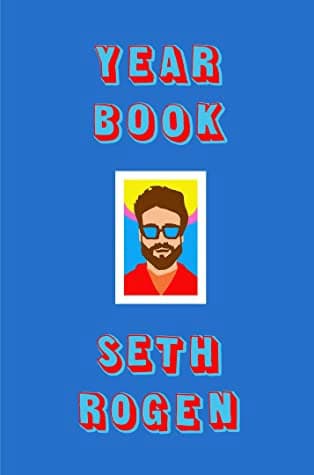
Seth Rogen's Yearbook is a memoir that splits audiences down the middle—and that's precisely what makes it worth discussing. This collection of personal essays delivers exactly what Rogen promises: funny stories about growing up Jewish in Vancouver, his early stand-up career, Hollywood encounters, and yes, plenty of drug-fueled anecdotes. The real question isn't whether it's funny (it is), but whether Rogen's particular brand of humor and his refusal to dig deeper into vulnerability will satisfy you for 300+ pages.
Quick Verdict
Yearbook succeeds brilliantly as a comedy collection but plays it safe when it could have been revelatory. If you're already a Seth Rogen fan, this book will reward you with genuine laugh-out-loud moments and insider Hollywood stories. If you find his humor juvenile or his public persona exhausting, this memoir will only confirm your suspicions. The audiobook edition, featuring celebrity guests reading their own dialogue, is objectively superior to the print version.
Rating: 7.5/10 — A consistently entertaining ride that prioritizes laughs over authenticity.
What It's About
Rogen structures Yearbook as a chronological journey through his life, beginning with his grandparents and Jewish heritage, moving through his teenage years doing stand-up comedy, and culminating in surreal celebrity encounters in Los Angeles. The book doesn't follow a traditional narrative arc; instead, it functions as a series of interconnected vignettes that gradually build a portrait of how Rogen became who he is.
The strongest essays explore coming-of-age moments: bar mitzvahs, Jewish summer camp mishaps, and the peculiar experience of being a funny kid in a school setting. These sections feel grounded and genuinely relatable, even for readers unfamiliar with Jewish cultural traditions. Later chapters pivot toward Hollywood, featuring stories about meeting everyone from Nicolas Cage to Tom Cruise to Snoop Dogg—encounters that range from awkwardly hilarious to surprisingly touching.
Writing Style and Audiobook Experience
Rogen's authorial voice is the engine that drives this book. He's self-aware, self-deprecating, and genuinely skilled at comedic timing—something that translates surprisingly well to the page. His prose mimics conversation; you can almost hear him telling these stories at a dinner party, complete with tangents and self-corrections.
However, the audiobook version of Yearbook transcends the print edition in meaningful ways. Rogen recruited celebrity friends to read dialogue attributed to them—Nick Kroll, Jason Segel, Dan Aykroyd, Sacha Baron Cohen, Snoop Dogg, and Billy Idol all make appearances. The production includes sound effects and careful directorial choices that enhance the comedic timing. If you're choosing between formats, the audiobook isn't just a convenience; it's a fundamentally different (and better) artistic experience. This is rare in the memoir space.
What Works: The Strengths
Genuine humor that lands. Unlike many celebrity memoirs that feel ghostwritten or focus-grouped, Yearbook maintains consistent comedic quality. Rogen isn't afraid to make himself the punchline, and his stories about drug use, awkward moments, and celebrity encounters genuinely provoke laughter—the kind that makes you want to share passages with friends.
Surprising emotional depth. For a book that leans heavily on comedy, Yearbook contains moments of unexpected tenderness. Stories about his grandparents, reflections on aging, and observations about fame carry genuine weight. These moments don't feel manipulative; they feel earned.
Self-awareness about privilege. One reader noted appreciation for Rogen's acknowledgment of his privilege as a white man consuming cannabis in an industry and country where that comes with fewer legal consequences than it would for others. This awareness surfaces naturally rather than feeling performative.
Specific, memorable anecdotes. The Nicolas Cage story. The Tom Cruise encounter. The bar mitzvah disaster. These aren't generic celebrity gossip; they're detailed, funny, and reveal character through action rather than exposition.
What Doesn't Work: The Limitations
Surface-level vulnerability. The most consistent criticism of Yearbook is that it maintains carefully constructed boundaries. Rogen tells us what happened, but rarely reveals what it meant emotionally. There's a difference between being funny and being honest, and this book sometimes prioritizes the former. You finish without feeling like you truly know the man behind the persona.
Uneven pacing in the second half. Several readers noted that the book hits its stride in the middle sections but loses momentum toward the end. The celebrity encounter stories, while entertaining, can feel repetitive after the tenth one. The book might have benefited from tighter editing.
Limited appeal beyond the fanbase. If you don't find Seth Rogen's humor appealing to begin with, Yearbook won't convert you. This isn't a memoir that transcends its subject's existing audience; it's a book designed for people who already like Seth Rogen and want more of what they know.
Predictable structure. The formula—funny anecdote, punchline, move to next story—becomes recognizable. While it works, it doesn't evolve. You're never surprised by the shape of the storytelling, only occasionally by the content.
Who Should Read This Book
Perfect for: Existing Seth Rogen fans, comedy memoir enthusiasts, people who enjoy irreverent humor, audiobook lovers (especially for this edition), and readers seeking light, entertaining non-fiction without heavy emotional labor.
Skip it if: You find Rogen's public persona annoying, prefer memoirs with deep psychological introspection, are looking for serious exploration of addiction or substance use, or want narratives that challenge their assumptions.
The middle ground: If you're casually familiar with Rogen's work but haven't committed to being a fan, the audiobook version is worth a trial. The production quality and guest appearances elevate it beyond what the prose alone delivers.
How It Compares
If you've read Tina Fey's Bossypants or Amy Poehler's Yes Please, you'll recognize the comedy memoir template. Those books balance humor with genuine vulnerability and career insight. Yearbook is funnier than both but less revealing—it prioritizes entertainment over transformation. Compared to more recent celebrity memoirs like Chrissy Teigen's work, Yearbook feels more authentically written and less corporate, which is refreshing.
Final Verdict
Yearbook by Seth Rogen is absolutely worth reading if you like the guy and enjoy comedy essays. It's a page-turner that delivers consistent laughs and entertaining stories without demanding emotional investment. Is it a must-read? No. Is it a solid, entertaining memoir that does exactly what it promises? Absolutely. The audiobook version elevates it to something special—a production that justifies the format as more than just a convenience.
Rogen's Yearbook review ultimately comes down to expectations. Come for the laughs and celebrity stories, and you'll be satisfied. Come expecting profound self-discovery or groundbreaking memoir writing, and you'll be disappointed. For what it is—a funny, well-crafted collection of personal essays from a successful comedian—it succeeds admirably.