Category:
Book ReviewsWhere Bones Sleep Review: A Haunting Novella
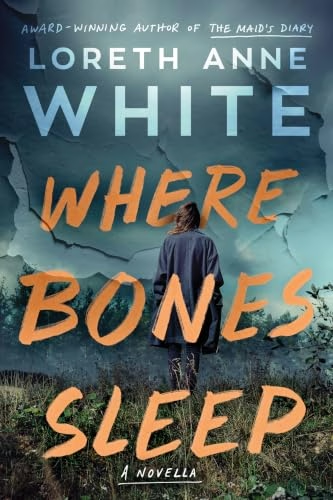
Prices can sometimes be lower on bigger marketplaces, but this link helps independent bookstores and local reading communities.
Loreth Anne White's Where Bones Sleep is a masterclass in compressed storytelling—a novella that refuses to feel rushed despite its brevity. This is a book that proves you don't need 400 pages to deliver genuine chills and emotional complexity. White manages to weave together a decades-old cold case, a pregnant detective's personal crisis, and a killer who may still be hunting, all while maintaining a Gothic atmosphere that lingers long after the final page.
The core tension of Where Bones Sleep review reveals what makes this novella genuinely unsettling: it's not just a puzzle to solve, but a collision between past trauma and present danger. The skeleton discovered in a barrel at the bottom of an old well becomes the thread that unravels something far darker than anyone anticipated.
What This Novella Actually Delivers
The premise is deceptively simple. Detective Jane Munro, eight months pregnant and grieving her missing fiancé, is assigned to investigate skeletal remains found sealed in a barrel. The victim wore a locket with an engraved message—evidence that someone went to extraordinary lengths to silence her. As Jane's team digs through records and forensic evidence, they uncover a heartbreaking story from 1945: a mother who vanished into the forest and was never seen again, leaving behind a husband and two children.
What elevates this beyond standard cold case procedural is the personal stakes. Jane isn't just chasing ghosts while preparing for motherhood—she's racing against an invisible clock. Someone doesn't want this case solved, and they're willing to escalate their threats to stop her. The novella builds genuine tension by making it clear that history and present danger are on a collision course.
The British Columbia setting—particularly the old estate and surrounding woodland—functions as more than just backdrop. White uses the landscape almost as a character itself, creating a slightly Gothic atmosphere that recalls the best of contemporary psychological thrillers. The atmospheric density here rivals books twice this length.
The Real-World Inspiration That Elevates the Story
One element that distinguishes Loreth Anne White's Where Bones Sleep from generic crime fiction is its grounding in historical fact. The novella draws inspiration from the "Butterbox Babies" scandal—a real historical atrocity that operated from the 1930s through the 1940s, primarily in Nova Scotia but with disturbing parallels across multiple countries. This practice of "baby farming" involved the systematic abuse and deaths of infants in unlicensed care facilities, often shrouded in secrecy and official indifference.
White includes an author's note explaining these historical connections, which transforms the reading experience. Suddenly, the fictional darkness carries the weight of documented human cruelty. This is the kind of research-backed authenticity that separates serious crime fiction from formulaic thrillers. Readers who engage with the historical context discover that the novella's emotional core isn't manufactured—it's rooted in real suffering that was systematically ignored.
The inclusion of darker fairy-tale references throughout the narrative adds another layer of sophistication. These aren't gratuitous; they underscore themes of abandonment, loss, and the ways mothers and children become vulnerable to predatory systems.
Writing Style: Compression Without Sacrifice
Novella-length crime fiction demands exceptional efficiency. White doesn't waste a single scene. The forensic investigation unfolds naturally, with clues emerging through Jane's detective work rather than through exposition dumps. Readers can actively participate in solving the mystery—following the evidence, questioning the timeline, forming theories about motive and opportunity.
The pacing never feels rushed, which is the real achievement here. Even as Jane navigates her pregnancy, her grief over her missing fiancé, and mounting pressure to step away from the case, the investigation maintains momentum. White balances procedural detail with character development, ensuring that we understand why Jane pushes forward despite the personal cost.
The atmospheric writing is particularly strong. White creates a sense of mounting dread without relying on cheap scares or melodrama. The tone is serious, grounded, and genuinely unsettling—more Mindhunter than Scream.
What Works Exceptionally Well
The novella's greatest strength is its emotional architecture. Yes, there's a mystery to solve, but the real tension emerges from the collision between Jane's vulnerability and her determination. She's at her most exposed—emotionally fractured, physically compromised by pregnancy, professionally isolated—yet she refuses to abandon the case. This creates genuine stakes. We're not just wondering "who did it?" but "will Jane survive this?"
The characterization of Jane Munro distinguishes this from countless other detective stories. She's not a hardboiled archetype or a quirky genius. She's a woman trying to hold her life together while pursuing truth in a system that would prefer she stay quiet. Her relationship with her team, particularly with Constable Kevin Russo, feels authentic and grounded.
The dark subject matter—crimes against women, institutional abuse, the vulnerability of mothers—is handled with appropriate gravity. White doesn't exploit these themes for cheap thrills. Instead, she uses them to explore how systems fail the most vulnerable people, and how justice delayed becomes justice denied.
The conclusion successfully ties together the dual timelines without feeling contrived. The revelation that a killer may not be history—that the past and present are dangerously intertwined—elevates this beyond a simple cold case resolution.
Where the Novella Format Creates Limitations
The brevity that makes Where Bones Sleep so efficiently gripping also means certain elements remain underdeveloped. Jane's grief over her missing fiancé feels more like a plot device than a fully realized emotional thread. We understand intellectually that she's grieving, but we don't viscerally experience that loss the way we might in a full-length novel.
The supporting characters, while competent, don't achieve the depth that a longer narrative would allow. Russo and the other team members serve their functional purposes well, but they remain somewhat archetypal. A full novel would give them more dimension.
Some readers may find the novella's darkness—particularly around crimes involving women and children—genuinely distressing rather than thrilling. This isn't a flaw in the book; it's a reflection of White's refusal to sanitize the historical horrors that inspired the story. But it's worth noting that this isn't a cozy mystery or a light procedural.
The ending, while satisfying, leaves significant threads that clearly lead into the next installment in the Jane Munro series. If you prefer complete, self-contained narratives, this novella's cliffhanger elements may frustrate you. However, White's afterword establishes this as intentional—the novellas are designed as interconnected chapters of a larger story.
Who Should Read This (And Who Shouldn't)
Perfect for: Readers who loved The Unquiet Bones (the first Jane Munro novel) and want more of this character. Fans of atmospheric crime fiction who appreciate historical grounding and character-driven narratives. Anyone interested in true crime adjacent fiction that takes its research seriously. Readers who enjoy psychological complexity alongside procedural detail. Those who appreciate novellas as a distinct form—not "short novels" but deliberately compressed narratives.
Might disappoint: Readers seeking pure puzzle-box mysteries where the detective remains emotionally detached. Those who prefer standalone novels without cliffhangers or series commitments. Readers uncomfortable with dark subject matter involving vulnerable populations. Anyone expecting a quick, light thriller—this novella is atmospheric and morally serious, not escapist entertainment.
The Verdict: Is Where Bones Sleep Worth Reading?
Absolutely, particularly if you're already invested in White's work or if you appreciate crime fiction that refuses to be superficial. This novella demonstrates that compelling storytelling doesn't require excessive length. White compresses character development, procedural detail, atmospheric tension, and historical resonance into a reading experience that feels complete despite its brevity.
The Where Bones Sleep review ultimately reveals a book that trusts its readers to engage with complexity. It doesn't over-explain, doesn't soften its subject matter, and doesn't pretend that solving a decades-old murder is emotionally neutral. Instead, it offers a genuinely unsettling exploration of how the past haunts the present, and how personal vulnerability doesn't negate professional responsibility.
This is crime fiction for readers who want substance alongside suspense—fiction that respects both the intelligence of its audience and the gravity of its subject matter.
Final Verdict
8.5/10 — A gripping, atmospheric novella that proves White's mastery of compressed storytelling, though some may wish for deeper character development and a more conclusive ending.