Category:
Book ReviewsWest with Giraffes Review: A Heartwarming Historical Adventure
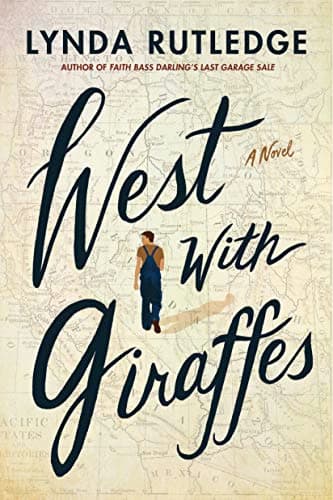
Prices can sometimes be lower on bigger marketplaces, but this link helps independent bookstores and local reading communities.
Lynda Rutledge's West with Giraffes is a historical fiction novel that delivers exactly what its premise promises: an emotionally resonant journey through Depression-era America that proves surprisingly difficult to put down. This is not a book that will devastate you with literary complexity or philosophical depth, but it will make you care deeply about two giraffes and the misfit humans who shepherd them across a continent. That's not a small accomplishment, and it's worth your time—though perhaps not in the way you might expect.
What's Actually Happening Here
Rutledge's novel frames itself as the deathbed memoir of Woodrow Wilson Nickel, a 105-year-old man compelled to document an extraordinary twelve-day road trip from 1938. At seventeen, Woody is a Dust Bowl refugee—displaced, rootless, and haunted by family tragedy. When a hurricane miraculously delivers two giraffes to American shores en route to San Diego Zoo, Woody inserts himself into their transport mission by sheer force of will and desperation. What unfolds is part adventure narrative, part love story, and part meditation on how animals can transform us when we're most broken.
The genius of this setup is that it allows Rutledge to work on two timelines simultaneously: the kinetic energy of the cross-country trek and the reflective wisdom of an old man looking back across decades. This temporal architecture is one of the book's greatest strengths, creating a natural rhythm that prevents the story from becoming one-dimensional.
The Historical Scaffolding Actually Holds Weight
One of the most consistent reader observations about this West with Giraffes review is the surprising depth of historical research embedded throughout. Rutledge doesn't just name-drop the Dust Bowl and Depression—she weaves them into the fabric of character motivation and plot mechanics. Woody's trauma feels earned rather than decorative. The 1938 hurricane that drives the central premise actually happened, and the author respects that historical fact enough to make it matter.
The inclusion of real figures like Belle Benchley, San Diego Zoo's pioneering female director, grounds the narrative in verifiable reality. This hybrid approach—mixing documented history with fictional characters—creates a fascinating tension. You're never quite sure what actually occurred and what Rutledge invented, which mirrors the unreliability of memory itself. An elderly narrator reconstructing events from seven decades past is inherently an unreliable narrator, and the book seems aware of this ambiguity.
Where the Emotional Connection Actually Lands
The relationship between Woody and the giraffes forms the emotional core, and here's where West with Giraffes by Lynda Rutledge succeeds most genuinely. The animals are never anthropomorphized into cute mascots or sentimentalized symbols. They remain fundamentally alien and incomprehensible, yet Rutledge manages to convey a profound bond that transcends language. Woody's protectiveness toward the injured female giraffe feels earned through small, specific details rather than melodramatic declarations.
The supporting cast—including a crusty ex-con, a mysterious female photographer, and various hangers-on—populate the journey with humor and unexpected depth. These aren't stock characters; they're people shaped by the same historical pressures as Woody, each carrying their own unspoken damage. The ensemble dynamic prevents the narrative from becoming solipsistic or overly focused on Woody's emotional arc.
The audiobook performance by Danny Campbell deserves specific mention here. His ability to shift between young Woody's raw energy and elderly Woody's measured reflection creates an almost cinematic experience. If you're considering this book, the audio version is genuinely worth the investment—it's not merely competent narration but integral to the reading experience.
The Comparison That Matters
Readers frequently invoke Water for Elephants when discussing this book, and that comparison is both apt and revealing. Both novels feature cross-country journeys with animals at their emotional center, both blend historical detail with intimate character drama, and both aim for that sweet spot between literary credibility and page-turning entertainment. The crucial difference: Lauren Groff's novel achieves a more sustained emotional intensity and darker psychological complexity. West with Giraffes is lighter, more optimistic, and less willing to let its characters suffer genuinely.
This isn't necessarily a flaw—it's a choice. Rutledge opts for warmth over devastation, wonder over despair. In a market saturated with trauma narratives, that tonal choice might actually be refreshing.
What Doesn't Quite Stick the Landing
The romantic subplot involving Woody and the female photographer feels underdeveloped, almost perfunctory. Their connection emerges suddenly and resolves without real consequence or emotional weight. Given that the novel positions love as one of its central themes, this particular relationship needed more time to breathe or more willingness to let it fail meaningfully.
The pacing occasionally stumbles in the middle section, where the twelve-day journey can feel repetitive. Not every day on the road needs distinct narrative momentum, but the book sometimes conflates "lots of pages" with "lots of story." A more aggressive editorial hand might have tightened this considerably.
Some readers will also find the ending too tidy, too affirming, too resolved. If you're seeking moral ambiguity or genuine darkness, you'll leave disappointed. The novel's fundamental optimism—its belief that kindness matters and that grace exists—is either its greatest strength or its most significant limitation, depending on your temperament.
Who This Book Actually Works For
This novel is perfect for readers who loved All the Light We Cannot See or The Nightingale—historical fiction that prioritizes emotional resonance over stylistic innovation. It's ideal for book clubs because it generates genuine discussion without requiring extensive literary analysis. Animal lovers will connect with it viscerally. Anyone seeking escapism without guilt will find it here.
It's also genuinely excellent for audiobook consumption, particularly during long drives or commutes where the dual-timeline structure and conversational tone can work their magic without demanding intense focus.
Conversely, this book will frustrate readers seeking experimental narrative structures, morally complicated characters, or endings that refuse easy resolution. If you require your historical fiction to challenge rather than comfort, look elsewhere. Readers who found Water for Elephants saccharine will have similar reactions here.
The Honest Verdict
Is West with Giraffes worth reading? Yes, but with clear eyes about what you're actually getting. This is comfort-food literature in the best sense—nourishing, satisfying, and genuinely well-crafted within its chosen parameters. It's not attempting to be Beloved or The Remains of the Day. It's attempting to be a beautiful, moving story about connection across species and time, and it succeeds at that specific mission.
The 4.31-star average rating across hundreds of thousands of readers reflects genuine quality, not algorithmic inflation. People return to this book because it delivers something increasingly rare in contemporary fiction: unironic hope paired with authentic historical weight. In an era of relentless darkness, that combination has real value.
Rutledge's achievement is quieter than flashy, but it endures. This is a book people will gift to friends, recommend to family members, and revisit during difficult periods. That's not nothing.
Final Score
8/10 — A beautifully executed historical adventure that prioritizes warmth and wonder without sacrificing authenticity or narrative intelligence.