Category:
BiographyThis Is Me: A Reckoning Review: Raw But Frustratingly Incomplete
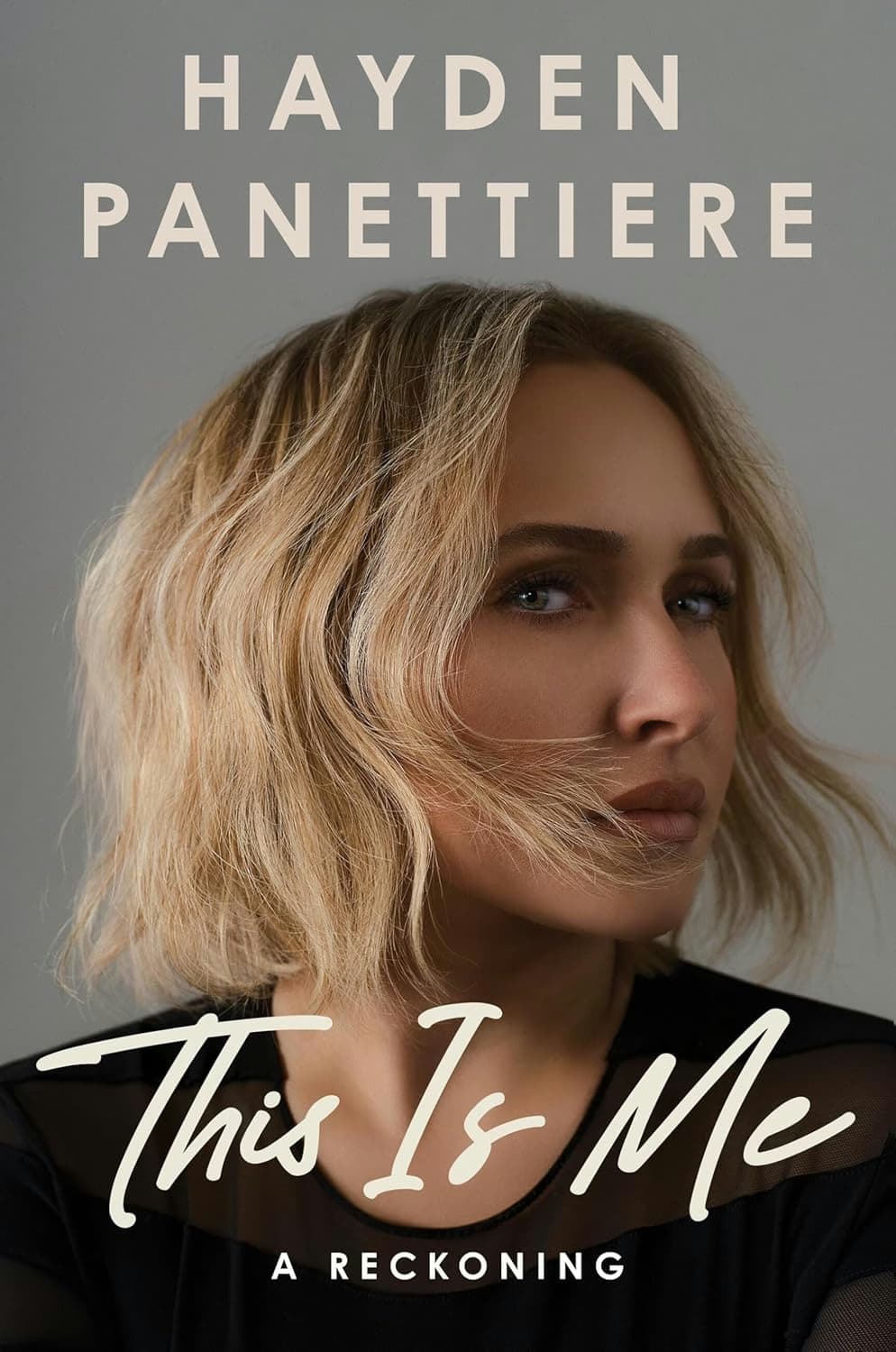
Prices can sometimes be lower on bigger marketplaces, but this link helps independent bookstores and local reading communities.
Quick Verdict
This Is Me: A Reckoning by Hayden Panettiere is a brave, accessible memoir that documents a child star's descent into trauma and her climb back toward authenticity. But it's also a book that tantalizes readers with explosive revelations before pulling back, leaving you wanting substantially more context and depth. If you're seeking a complete reckoning, you'll feel shortchanged. If you want an honest introduction to Panettiere's resilience, you'll find it here.
What This Book Actually Delivers
Hayden Panettiere's memoir traces her unlikely journey from Michelin baby to Hollywood fixture—landing roles in Remember the Titans, Heroes, Scream 4 & 6, and most notably, the acclaimed series Nashville, where she earned two Golden Globe nominations. But this isn't a feel-good success story dressed up in Hollywood glamour. Instead, Panettiere peels back the veneer to expose the darker machinery of child stardom: the exploitation, the body-shaming tabloid culture, the blurred lines between on-screen trauma and real-life suffering.
The book tackles genuinely serious subjects. Post-partum depression. Addiction and recovery. Domestic abuse. The death of her younger brother. These aren't throwaway anecdotes—they're the scaffolding of her narrative. Panettiere calls these pivotal moments "lifequakes," and she positions the memoir as her reclaiming her story on her own terms, after years of having it written for her by producers, paparazzi, and the industry itself.
Where Panettiere Succeeds
The memoir's greatest strength is its emotional honesty. Panettiere doesn't perform for the reader. Her voice is conversational, sometimes irreverent, and genuinely vulnerable. Readers consistently note that the audiobook performance is particularly effective—you can hear the sincerity in her delivery when she discusses her complicated relationship with motherhood, her brother's passing, and her battle with addiction.
The structural theme of reclaiming narrative is compelling. Throughout her career, Panettiere was packaged as "Hollywood's girl next door," but she was also subjected to intense scrutiny over her body and personal choices. The memoir's core argument—that young female stars have their stories written for them before they can write their own—resonates as culturally relevant commentary, not just personal grievance.
Panettiere also demonstrates genuine self-awareness about her privilege. She acknowledges that she was financially secure in ways many struggling actors aren't, and that her trauma, while real, doesn't negate her advantages. This nuance prevents the memoir from sliding into pure victimhood narrative.
The Critical Problem: Surface-Level Storytelling
Here's where This Is Me: A Reckoning review discussions tend to fracture. The book reads less like a complete memoir and more like a highlight reel—or perhaps a carefully curated exhibition. Panettiere drops major revelations and then moves on without excavation.
Consider her discussion of Heroes. She mentions the writing became "lazy and convoluted" as the show progressed, but offers no examples. No specific episodes. No explanation of how this affected her performance or her mental state. Similarly, her Nashville experience involved the writers mining her personal life for storylines, but she never illustrates what this actually looked like or how it damaged her.
The most glaring example: she casually mentions an Academy Award-winning director exposing himself to her and being set up against her will with a famous British singer/songwriter. Then... nothing. No names. No context. No resolution. Readers are left frustrated—not because they're entitled to celebrity gossip, but because these moments feel like they should anchor the narrative. If you're writing a memoir about reclaiming your story, why introduce such explosive moments only to withhold the very details that would make them meaningful?
Even her time in rehab—arguably a crucial turning point in her journey—receives minimal examination. What was the program? What did she learn? How did it change her perspective? These questions linger unanswered.
The Memoir's Structural Weakness
Panettiere's book suffers from what might be called "Cliff Notes syndrome." She touches on major life events—post-partum depression, custody issues, abusive relationships—but rarely lingers long enough for readers to understand the through-lines. How did she move from one crisis to the next? What patterns did she recognize? What specific moments constituted her transformation?
This isn't a matter of wanting tabloid dirt for entertainment. It's a structural issue: a memoir's power comes from specificity and reflection. When Panettiere glosses over crucial details, the narrative flattens. We're told she suffered and survived, but we're not shown the interior work that made survival possible.
Compare this to other celebrity memoirs that have resonated critically—like Demi Lovato's Staying Strong or Britney Spears' The Woman in Me—which succeed because they provide granular detail about the thinking, the setbacks, the small victories. Panettiere's book, by contrast, wraps everything "in a neat little bow without any deep self-contemplation," as one reader observed.
Writing Style and Accessibility
One genuine strength: Panettiere's memoir is a quick, accessible read. The prose is straightforward and conversational. She doesn't overwrite or indulge in purple passages. This makes the book appealing to readers who might find dense memoirs intimidating, and it ensures the audiobook moves at an engaging pace.
However, accessibility shouldn't come at the expense of depth. A 300-page memoir can still be readable while also being substantive.
Who Should Read This Book
Perfect for: Fans of Panettiere's work who want to understand her journey. Readers interested in the darker side of child stardom and how the entertainment industry exploits young talent. Anyone working through their own trauma who finds comfort in knowing public figures have also struggled. People who appreciate straightforward, jargon-free storytelling. Listeners who prefer audiobooks and respond to sincere vocal performance.
Will Disappoint: Readers seeking comprehensive analysis of Panettiere's career decisions. Those expecting detailed accounts of her major roles or behind-the-scenes Hollywood stories. People who value introspection and psychological depth in memoir. Readers who want clear answers to the questions the book raises. Literary critics expecting sophisticated narrative architecture.
The Broader Context
It's worth noting that This Is Me: A Reckoning arrives during a cultural moment when celebrity memoirs are increasingly expected to deliver both intimacy and accountability. Britney Spears' The Woman in Me set a high bar by combining personal narrative with specific, damning details about her conservatorship. Panettiere's book, while sincere, doesn't quite reach that level of revelation or analysis.
The 3.84/5 rating from thousands of readers tells you something important: this book is divisible. Some readers find it genuinely moving and sufficient for their purposes. Others feel it promises more than it delivers. This isn't a universal slam or universal triumph—it's a book that works for some audiences and frustrates others.
Final Verdict
This Is Me: A Reckoning is a readable, honest introduction to Hayden Panettiere's resilience, but it's an incomplete reckoning. The book succeeds as a statement of intent—reclaiming her narrative—but struggles as an execution. Panettiere's willingness to be vulnerable is admirable, but vulnerability without specificity can feel performative. She's survived genuine trauma and emerged with hard-won wisdom, but the memoir doesn't fully excavate either the trauma or the wisdom.
Is This Is Me: A Reckoning worth reading? Yes, if you want an accessible entry point into Panettiere's story and don't require comprehensive detail. No, if you're seeking a complete, psychologically nuanced account of how a child star reclaimed her life. It's a solid memoir that plays it safer than its premise suggests it will.
Final Score
6.5/10 — Brave and readable, but trades depth for accessibility and leaves too many threads untied.