Category:
ThrillerThe Unknown by Riley Sager: A Masterclass in Locked-Island Terror
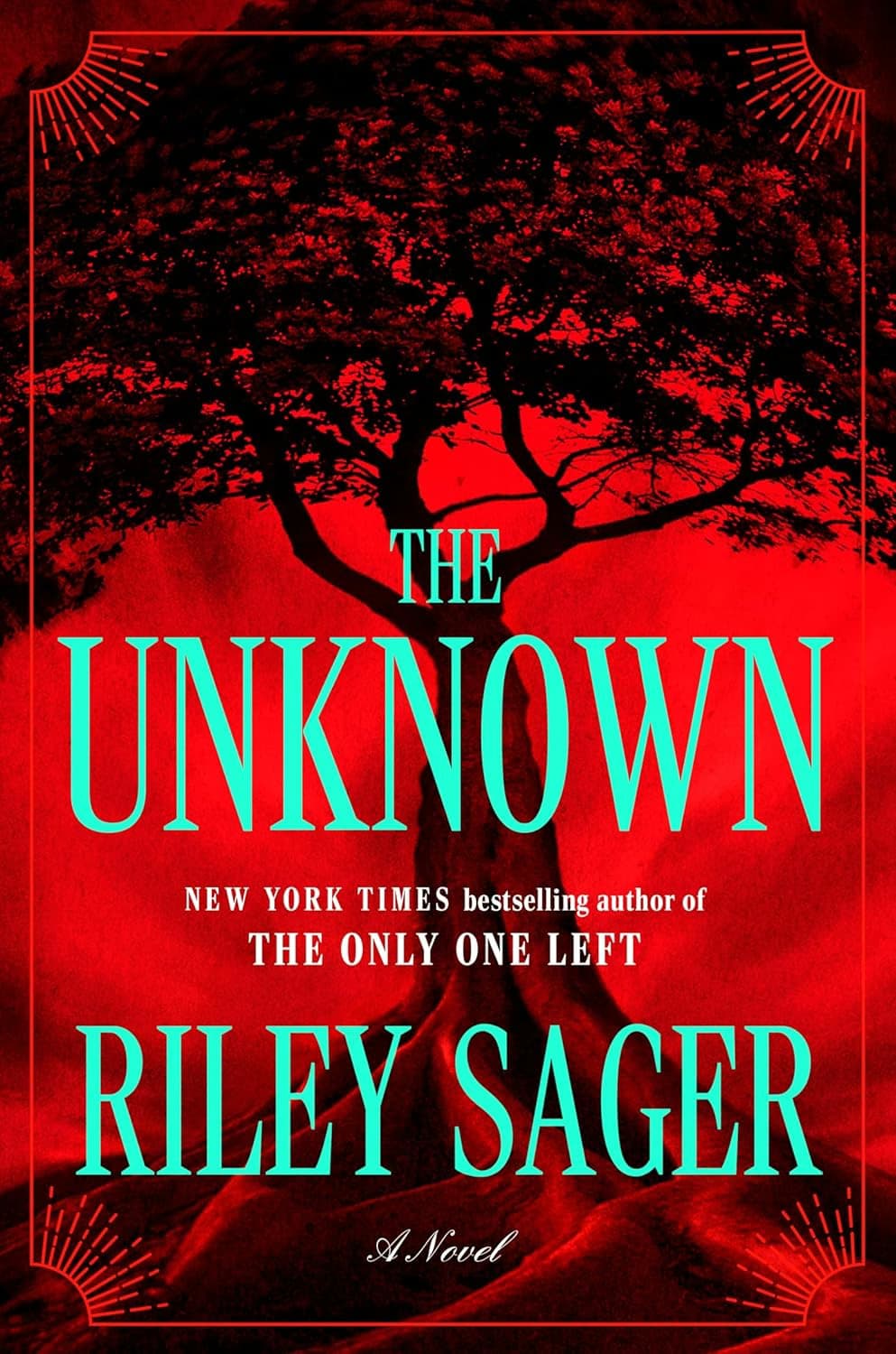
Prices can sometimes be lower on bigger marketplaces, but this link helps independent bookstores and local reading communities.
Riley Sager's The Unknown is a paranormal thriller that proves the author understands exactly how to weaponize atmosphere, isolation, and the human tendency to believe in things we can't explain. This is a book that arrives with genuine teeth—the kind of psychological horror-mystery hybrid that makes you check over your shoulder while reading at night. It's also the kind of novel that divides readers sharply, not because it fails, but because it succeeds so thoroughly at what it attempts.
What This Book Is Actually About
On the surface, The Unknown appears straightforward: a film director named Ronan Peters assembles a cast of actors for an immersive rehearsal on New Avalon, a remote Vermont island with a genuinely cursed history. In 1926, five women vanished from this same location without explanation—leaving behind only five empty dresses hanging from an oak tree and a cryptic diary written by one of the disappeared, a woman named Daisy Rue.
The premise alone is unsettling. But Sager doesn't stop there. He layers two timelines—the vanishing of 1926 and the present-day disappearances—and forces readers to question which mystery is real, which is performance, and whether the island itself might be the true antagonist. It's a locked-island thriller, yes, but one drenched in genuine paranormal dread rather than mere procedural logic.
The Architecture of Dread
What separates The Unknown review conversations from typical thriller discussions is how Sager constructs his narrative architecture. This isn't a book that relies on jump scares or cheap gotchas. Instead, it builds an almost suffocating sense of unease through meticulous pacing and escalating psychological pressure.
The writing is sharp and deliberate. Sager refuses to over-explain; he trusts readers to feel the wrongness before understanding it. Strange symbols appear. Sounds echo across water at night. Characters begin to distrust one another. The pacing accelerates with each chapter, and by the final third, the novel practically demands to be read in a single sitting. Readers consistently report that this book created genuine physical reactions—racing heartbeats, the compulsion to check locked doors, an inability to read in darkness.
This is the mark of effective thriller writing: when the book's atmosphere invades your actual reality.
Where The Unknown Excels
The supernatural ambiguity is perhaps Sager's greatest achievement here. Throughout the novel, you're never quite certain whether the island is genuinely haunted or whether the cast is experiencing shared psychological breakdown. This uncertainty isn't a flaw—it's the entire point. The diary entries from Daisy Rue add another layer of unreliability; she may have been delusional, honest, or deliberately misleading. Readers are forced into the same investigative spiral as protagonist Marin Keane, constantly revising theories and second-guessing conclusions.
The character work deserves particular mention. Marin functions as an effective POV character precisely because she's an actress—someone trained to read people, perform authenticity, and recognize deception. This creates delicious irony when she can't determine who among her castmates might be dangerous, or whether danger is even human. Violet Wright, the legendary actress in the ensemble, becomes increasingly intriguing as the narrative progresses, and the power dynamics between director Ronan Peters and his actors add uncomfortable sexual tension beneath the horror.
The setting itself is a character. Lake Faraday and New Avalon are described with such specificity that the island feels real, lived-in, and genuinely isolated. There's no escape route, no easy rescue. The infrastructure of the location becomes a trap.
The Complications
That said, The Unknown review discourse reveals legitimate criticisms that deserve acknowledgment. The paranormal elements, while atmospheric, ultimately function more as psychological metaphor than genuine mystery. Readers seeking a locked-room puzzle with a satisfying logical solution may find the ending somewhat abstract. Sager prioritizes mood over mechanics, which is an artistic choice—but it's not universally appreciated.
The second timeline (the 1926 events) occasionally feels like it's operating in a different register than the present-day narrative. Switching between Daisy's diary and Marin's perspective requires tonal adjustment, and some readers found this rhythm disruptive rather than enriching. The supernatural elements also rely heavily on reader acceptance of paranormal possibilities; skeptical readers may find themselves irritated rather than unsettled.
Additionally, certain character decisions in the final act strain credibility. Without spoiling specifics, some protagonists make choices that feel driven more by plot necessity than psychological consistency. This is a minor flaw in an otherwise tightly constructed novel, but it's worth noting.
Who Should Actually Read This
The Unknown is essential reading for fans of atmospheric horror-thrillers in the vein of Mexican Gothic or The Silent Companions. If you loved the paranoid ensemble dynamics of And Then There Were None, the supernatural dread of The Haunting of Hill House, or the locked-setting claustrophobia of Only Murders in the Building, this novel will absolutely grip you.
This book is perfect for readers who value mood and psychological complexity over straightforward mystery mechanics. It rewards close attention to detail and benefits from the kind of active reading that demands you formulate theories and defend them. It's ideal for late-night reading when you're already slightly unsettled.
However, The Unknown will frustrate readers seeking traditional mystery resolution, those who find paranormal elements inherently silly rather than frightening, or anyone who prioritizes fast-paced action over atmospheric tension. If you require every plot thread tied neatly and every supernatural element logically explained, this isn't your book. Similarly, readers who find ensemble casts confusing or who dislike unreliable narration should probably look elsewhere.
The Verdict
Is The Unknown worth reading? Absolutely—if you're the right reader for it. Riley Sager's The Unknown demonstrates that the author has lost none of his ability to construct psychologically complex thrillers that burrow into your consciousness. This is a book that earns its 4.07 rating by delivering exactly what it promises: genuine unease, paranormal dread, and the kind of narrative complexity that demands multiple readings.
The novel succeeds most powerfully as an exercise in sustained atmospheric tension rather than as a traditional mystery. Sager trusts his readers and his premise enough to resist over-explanation, creating a reading experience that feels genuinely unsettling rather than merely entertaining. It's the rare thriller that makes you question both the narrative and your own perceptions simultaneously.
Final Score: 8.5/10 — A masterfully atmospheric paranormal thriller that prioritizes psychological dread over logical resolution, delivering exactly what serious genre readers crave.