Category:
Book ReviewsThe Undercover Bookshop Review: A Charming Spy Thriller
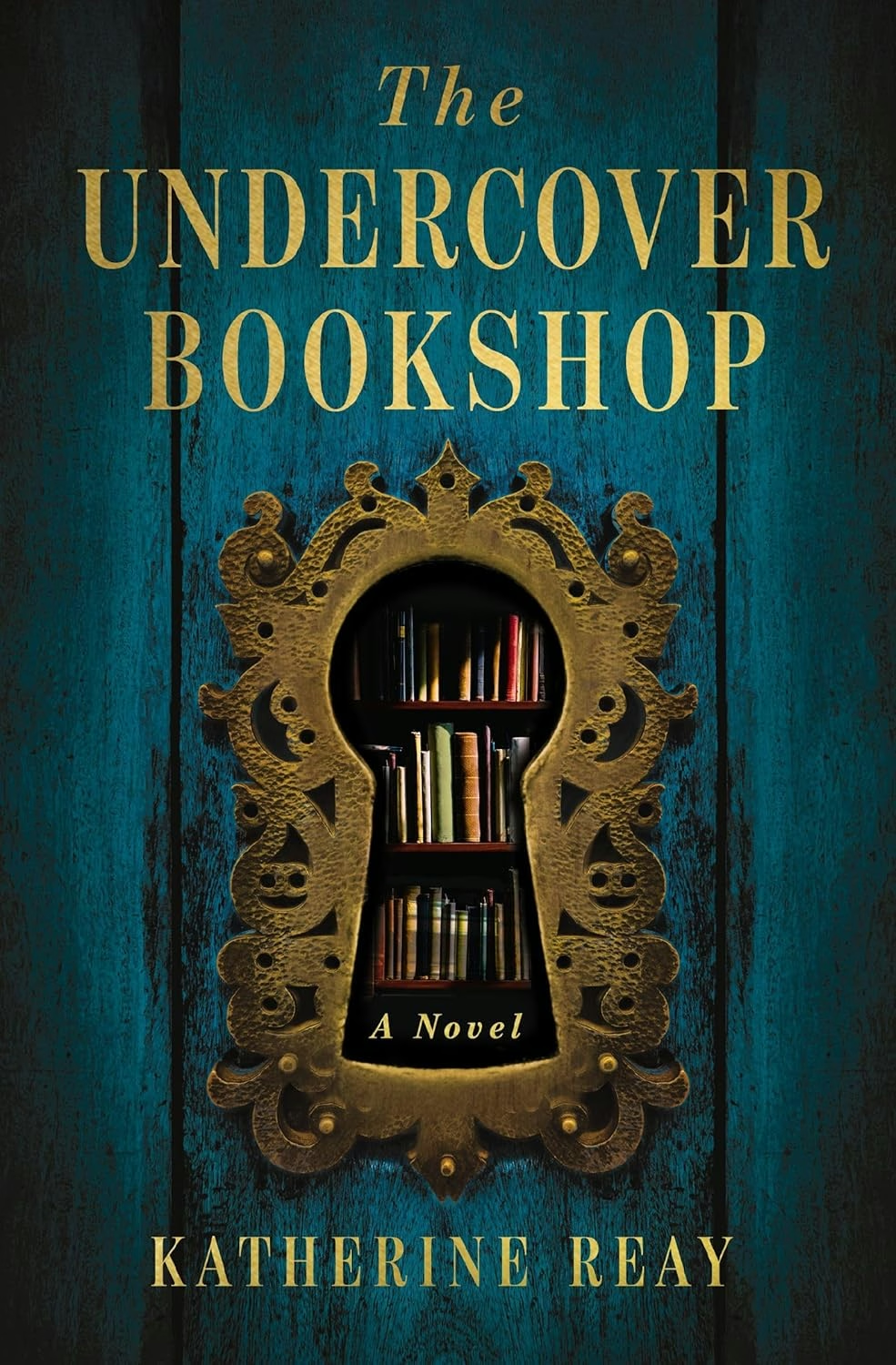
Prices can sometimes be lower on bigger marketplaces, but this link helps independent bookstores and local reading communities.
Katherine Reay's The Undercover Bookshop is a delightful historical fiction mystery that proves sometimes the best detectives are the ones who've read too many detective novels. Set in 1950s post-war England, this book blends cozy village life with genuine Cold War intrigue, creating something that feels simultaneously like Agatha Christie and a real espionage thriller. The verdict: it's absolutely worth reading if you enjoy character-driven mysteries, but it's not quite a flawless gem.
What's This Book Actually About?
Gemma Brown has just relocated to the picturesque Cotswolds village of Great Rollright, desperate to escape her war-ravaged past and build the quiet, civilized life she's read about in mystery novels. She takes a job at the local general store and starts opening the village's first bookshop—a dream project that gives her purpose. But her real obsession becomes her enigmatic neighbor, Ursula Beurton, a mysterious baker who seems far too interesting for a small English village.
As Gemma notices odd details—coded messages hidden in tree knots, a suspicious shortwave radio, cryptic letters—she begins to wonder if her imagination, fueled by years of detective fiction, is playing tricks on her. Or has she stumbled upon a real Soviet spy living in her quiet village? What unfolds is a cat-and-mouse game involving MI5, the KGB, and a dangerous secret that will eventually lead Gemma to her most dangerous venture yet: running the titular Undercover Bookshop.
The novel is loosely inspired by true events and a real Cold War spy, which gives the narrative an added layer of historical weight that elevates it beyond pure fiction.
The Writing and Historical Setting
Reay demonstrates impressive research throughout The Undercover Bookshop, and it shows. The 1950s village atmosphere feels authentically rendered—from the church committees and baking contests to the post-war social anxieties that permeate every conversation. The author masterfully weaves together two distinct worlds: the mundane, gossipy life of a small English village and the shadowy realm of international espionage.
The prose is accessible and engaging without being simplistic. Reay has a gift for making historical context feel organic rather than didactic. You never feel like you're being lectured about the Cold War; instead, the tension naturally emerges from the setting and the characters' awareness of larger geopolitical forces.
The pacing occasionally stumbles when balancing domestic village life with spy thriller elements. Some readers will find this tonal shift charming; others may find it uneven. It's genuinely the book's most divisive quality.
What Works Brilliantly
The central premise is genuinely clever: a woman who's spent her life reading mysteries suddenly finds herself living one. Gemma's character arc—from lonely outsider to confident amateur sleuth—feels earned and satisfying. She's not a traditional action hero, but she's smart, observant, and resourceful in ways that feel believable.
The relationship between Gemma and Ursula is the emotional heart of the novel. Their friendship develops naturally, creating genuine stakes when Gemma's suspicions threaten to destroy it. This interpersonal tension is far more compelling than the espionage plot itself, which is where the book truly excels.
The book club scenes and Gemma's love of mystery literature add a meta-textual layer that book lovers will appreciate. There's something delightful about a novel that celebrates the power of reading and how fiction can prepare us for real life in unexpected ways.
The supporting cast—particularly Peggy, the local constable, and Lady Marchmont—adds texture and intrigue. These characters feel like real people with their own agendas rather than cardboard cutouts serving the plot.
Where It Stumbles
The spy plot itself, while entertaining, lacks the sophistication you'd expect from a Cold War thriller. The espionage elements feel more like a backdrop for character development than a fully realized conspiracy. If you're looking for le Carré-level complexity, you won't find it here.
The pacing issues are real. The first half moves at a leisurely pace as Gemma settles into village life, but the second half accelerates dramatically. Some readers will find this tonal whiplash refreshing; others will feel the narrative loses focus. The book is trying to be two different genres simultaneously, and while this mostly works, there are moments where the seams show.
The resolution, while satisfying, relies on a few convenient coincidences that feel slightly contrived. Without spoiling anything, certain plot points resolve a bit too neatly for a book that spends so much time building tension.
Who Should Read This—and Who Shouldn't
Perfect for: Fans of cozy mysteries who want a bit more substance, readers who loved The Thursday Murder Club or similar character-driven mysteries, Agatha Christie enthusiasts, book lovers who appreciate meta-textual references to literature itself, and anyone interested in post-war British history and Cold War culture.
Skip it if: You want a hard-boiled espionage thriller with serious geopolitical stakes (this isn't it), you prefer fast-paced plots over character development, or you're looking for a tightly plotted mystery with no loose ends. This book prioritizes atmosphere and character over plot precision.
Comparison to Similar Books
The Undercover Bookshop sits somewhere between The Thursday Murder Club by Richard Osman and classic Agatha Christie. Like Osman's work, it prioritizes character warmth and humor over puzzle-box plotting. Like Christie, it features an amateur sleuth in a small village uncovering dangerous secrets. However, it lacks the narrative tightness of both. It's more generous with its readers, allowing for slower-burn character moments that some will find charming and others will find indulgent.
Final Verdict
7.5/10 — A genuinely charming historical mystery that earns its premise and characters, even if the spy plot doesn't quite match the emotional depth of the interpersonal drama.
Katherine Reay's The Undercover Bookshop is a book that knows exactly what it wants to be and mostly succeeds. It's not a perfect novel, but it's a warm, intelligent, and thoroughly enjoyable read that celebrates the power of books and the courage required to trust your instincts. The Undercover Bookshop review landscape is largely positive, and for good reason—this is the kind of book that makes you want to curl up with a cup of tea and lose yourself in a village full of secrets.
If you're tired of grim, gritty thrillers and want something that combines mystery with genuine heart, this is absolutely worth your time. Just don't go in expecting a high-stakes espionage masterpiece. Go in expecting a beautifully rendered character study wrapped in the trappings of a spy story, and you'll find exactly what you're looking for.