Category:
BiographyThe Third Gilmore Girl Review: A Memoir That Surprises
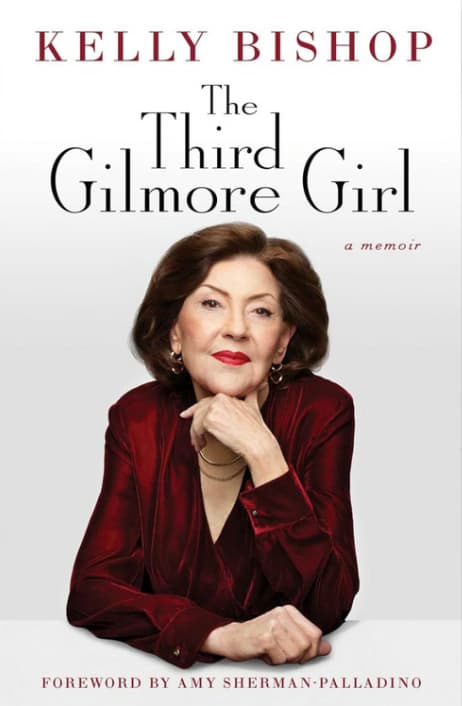
Prices can sometimes be lower on bigger marketplaces, but this link helps independent bookstores and local reading communities.
Kelly Bishop's The Third Gilmore Girl: A Memoir is a masterclass in how a performer can weaponize vulnerability without sacrificing dignity. This is not the sanitized Hollywood tell-all you might expect from an actress best known for playing Emily Gilmore's cutting remarks. Instead, Bishop delivers something far more valuable: an unflinching account of a 50+ year career that spans Broadway, film, television, and the emotional wreckage that sometimes comes with chasing stardom.
The central revelation that makes this The Third Gilmore Girl review essential reading is this—Kelly Bishop's real life inspired the fictional character Sheila in A Chorus Line, the role that won her a Tony Award. She didn't just perform the part; she lived it. That collision between art and autobiography becomes the emotional engine of this memoir, and it reframes how you'll watch both the musical and the show that made her a household name.
What This Memoir Actually Delivers
Bishop begins in the 1960s as a dancer at Radio City Music Hall, an era when chorus girls were treated as interchangeable components rather than artists. She walks readers through the grueling choreography of becoming a Broadway performer—the auditions, the rejections, the small featured roles that eventually led to originating Sheila in Michael Bennett's revolutionary musical. What's striking about Kelly Bishop's The Third Gilmore Girl is how she refuses to make this journey feel like a triumph montage. Instead, she acknowledges the toll: the eating disorders, the compromises, the relationships sacrificed on the altar of "making it."
The Gilmore Girls chapters are warm without being saccharine. Her memories of working alongside Lauren Graham and Ed Herrmann read as genuine affection rather than contractual nostalgia. Bishop doesn't pretend the show was perfect, but she celebrates what it became—a cultural phenomenon that gave her steady work and an audience that still recognizes her decades later. This balance between critical honesty and gratitude distinguishes this memoir from the typical celebrity cash-grab.
What sets this apart from comparable memoirs like Debbie Reynolds' Unsinkable or Bernadette Peters' Peters Out is Bishop's refusal to soften her own culpability. She writes openly about her marriage to a compulsive gambler, her time as a burned-out Las Vegas showgirl, and her abortion—decisions and circumstances that shaped her as much as her successes did. This vulnerability is earned, not performed.
The Writing: Conversational Without Being Lazy
Bishop's voice on the page mirrors her voice on screen—witty, direct, occasionally barbed, but fundamentally warm. The audiobook version (narrated by Bishop herself) has earned particular praise for capturing her distinctive cadence, though the print edition holds up remarkably well. She avoids the common memoir trap of over-explaining or justifying her choices; she simply presents them and lets readers draw conclusions.
The structure moves chronologically but thematically, clustering stories around creative turning points rather than strict timeline adherence. This approach makes the narrative feel like a conversation with an old friend rather than a dutiful autobiography. Short chapters mean you can read this in digestible chunks, though the momentum often pulls you forward in longer sittings.
Where This Memoir Soars
The Broadway sections are genuinely exceptional. Bishop captures the specific texture of 1970s theater—the camaraderie, the competition, the revolutionary nature of A Chorus Line itself. She provides insider perspective on how the musical was created and how her own experiences informed the character she played. This isn't abstract nostalgia; it's a primary historical document from someone who helped shape American musical theater.
Her willingness to discuss reproductive rights and women's agency adds unexpected depth. Rather than treating these topics as footnotes to her "real" career story, Bishop integrates them as central to understanding her choices and her values. This political clarity—unusual in celebrity memoirs—gives the book relevance beyond its entertainment value.
The photographs scattered throughout provide visual context that enhances rather than interrupts the narrative. They're used judiciously, not as padding, which suggests editorial discipline.
What Doesn't Quite Land
Some readers seeking deeper psychological analysis of her creative process may find certain sections too surface-level. Bishop tells you what happened and sometimes how she felt, but she doesn't always excavate the why with the precision that would elevate this to truly exceptional memoir territory. The Dirty Dancing sections, while entertaining, feel slightly rushed compared to her Broadway material.
There's also an occasional tendency toward name-dropping that, while never egregious, occasionally tips toward "and then I worked with [famous person]" storytelling. The memoir is strongest when Bishop focuses on relationships and creative collaboration rather than celebrity encounters.
Who Should Read This (And Who Shouldn't)
Perfect for: Gilmore Girls devotees seeking to understand Emily Gilmore's creator. Musical theater enthusiasts and dance professionals who want an honest account of that world. Readers who appreciate memoirs that balance humor with genuine vulnerability. Anyone interested in how performers navigate the tension between artistic integrity and commercial success.
Likely to disappoint: Readers seeking scandalous revelations or dramatic conflict. Those expecting a deep dive into the celebrity gossip ecosystem. People who prefer heavily psychological memoir analysis over narrative storytelling. Anyone uncomfortable with frank discussions of abortion and reproductive autonomy.
The Verdict
Is The Third Gilmore Girl review worth your time? Absolutely, but with caveats. This is a well-crafted, genuinely engaging memoir from a performer with real stories to tell. It's not groundbreaking literature, but it's honest, often funny, and occasionally moving in ways that feel earned rather than manipulated. Kelly Bishop's The Third Gilmore Girl succeeds because she trusts her life to be interesting without embellishment—and she's right.
The audiobook version edges ahead of the print edition thanks to Bishop's distinctive narration, but both versions reward engagement. This is the kind of memoir that works best when you come to it as a fan but stay for the writing itself. Bishop proves that longevity in show business doesn't require scandal or reinvention—sometimes it just requires talent, persistence, and the willingness to tell the truth about what that journey costs.
Final verdict: A solid, satisfying memoir that earns its place alongside the best recent celebrity autobiographies. It won't revolutionize the genre, but it will make you reconsider everything you thought you knew about Emily Gilmore—and about the actress who made her unforgettable.