Category:
CookingThe Perfect Loaf Review: Ambitious But Demanding
Prices can sometimes be lower on bigger marketplaces, but this link helps independent bookstores and local reading communities.
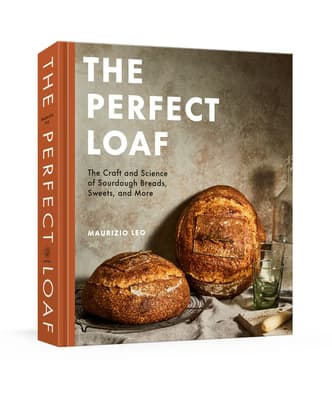
Maurizio Leo's The Perfect Loaf: The Craft and Science of Sourdough Breads, Sweets, and More is a James Beard Award-winning cookbook that promises to democratize sourdough baking for everyone from curious beginners to seasoned professionals. But here's the uncomfortable truth: this book is far more suited to experienced bakers willing to invest serious time than it is to someone picking up a sourdough starter for the first time. It's a beautifully produced, scientifically rigorous guide that occasionally confuses ambition with accessibility.
Leo, the beloved blogger behind Food52's sourdough content, has created something genuinely unique—a cookbook that treats fermentation like chemistry rather than magic. The production quality is undeniable. The photography is stunning, the layout is thoughtful, and the binding feels premium. But between those gorgeous pages lies a complexity that betrays the book's stated mission of serving "beginner bakers" and "seasoned bakers" equally well.
What This Book Actually Delivers
The Perfect Loaf opens with 142 pages dedicated to a single recipe: simple sourdough. Rather than rushing into variations, Leo methodically walks readers through ingredients, tools, technique, and the science underpinning the entire process. For someone genuinely committed to understanding why sourdough works, this approach is revelatory. You'll learn about hydration ratios, fermentation temperatures, gluten development, and the microbiology of starter maintenance.
The recipes themselves span an impressive range: pan loaves, pizza, focaccia, doughnuts, and even sweet applications. Leo's use of liquid levain (the Italian Li.Co.Li method) is consistent throughout, reflecting his professional baking practice where starters are refreshed multiple times daily.
Where the Book Shines
The troubleshooting sections are genuinely helpful. Leo provides visual guides to common bread failures—underproofed crumb, burst loaves, dense texture—and explains how to diagnose and fix each problem. The sidebar explanations about storing starters long-term and understanding baker's percentages are exactly the kind of foundational knowledge that separates confident bakers from frustrated ones.
For experienced bakers seeking to deepen their understanding, this book delivers. The deep dives into fermentation science, ingredient chemistry, and the philosophy of "baker's intuition" offer real intellectual substance. If you've already made dozens of loaves and want to level up through hydration experiments and specialty flours, The Perfect Loaf review from serious home bakers consistently praises its depth and rigor.
The book's attention to detail is exceptional. Every recipe includes precise timing, temperature ranges, and multiple decision points where bakers can adjust based on their environment. This isn't a "dump and go" cookbook—it's a laboratory manual.
The Honest Complications
Here's where the book stumbles: the fermentation times are long. A basic focaccia requires 19 hours. Bomboloni stretch past 60 hours. These aren't typos—they reflect Leo's professional workflow with liquid levain maintained at precise temperatures. But for a home baker without a temperature-controlled environment or the luxury of extended fermentation windows, these timelines create friction.
The liquid levain requirement is another hidden barrier. If you've been building a solid sourdough starter (the most common approach for beginners), you'll need to convert it to liquid form. The fermentation times and behaviors differ significantly between the two methods. Leo doesn't offer solid starter alternatives, which means beginners following his recipes with traditional starters will likely end up with overfermented, excessively sour bread.
The recipes themselves are complex. The basic sourdough boule involves multiple tables, precise percentages, and numerous decision points. One experienced baker reported needing seven attempts—reading all 142 foundational pages—before producing a satisfactory loaf, despite already having years of bread-baking experience.
Comparing to Similar Books
Unlike Peter Reinhart's The Bread Baker's Apprentice, which balances accessibility with depth across multiple bread types, The Perfect Loaf commits fully to sourdough specialization. Compared to Tartine's Bread by Chad Robertson, which emphasizes intuition and feel, Leo's approach is more formulaic and science-driven.
If you want a gentler introduction to sourdough, other books will serve you better. If you want to understand the mechanics of what's happening in your dough, Leo's work is superior.
Who Should Actually Read This
Perfect for: Intermediate to advanced home bakers seeking to understand sourdough science. Bakers with temperature-controlled environments. Those already maintaining liquid levains. Anyone interested in the chemistry of fermentation who doesn't mind extended timelines. Professional bakers exploring new techniques.
Skip it if: You're a complete beginner hoping to bake your first loaf this weekend. You prefer quick-reference recipes over foundational knowledge. You work with solid starters and want straightforward conversions. You value intuition over precision. You have limited time for 19-hour focaccia.
The Verdict
The Perfect Loaf is a masterclass in sourdough science wrapped in a beautifully designed package. It's worth reading if you're genuinely committed to understanding the craft at a deep level. But it's not the universal beginner's guide its marketing suggests. The book's greatest strength—its rigorous, scientific approach—is also its barrier to entry.
Is The Perfect Loaf worth reading? Yes, but with clear eyes about what you're getting. This is a book for people who want to become serious about sourdough, not people dipping their toes in. The recipes work when you follow them precisely and match Leo's professional conditions. They may disappoint if you're expecting flexibility or shortcuts.
The book deserves its awards and its 4.25-star rating—that middling score reflects its genuine division: beloved by those it serves, frustrating for those it doesn't.