Category:
Book ReviewsThe Let Them Theory Review: Polarizing But Powerful
Prices can sometimes be lower on bigger marketplaces, but this link helps independent bookstores and local reading communities.
Quick Verdict
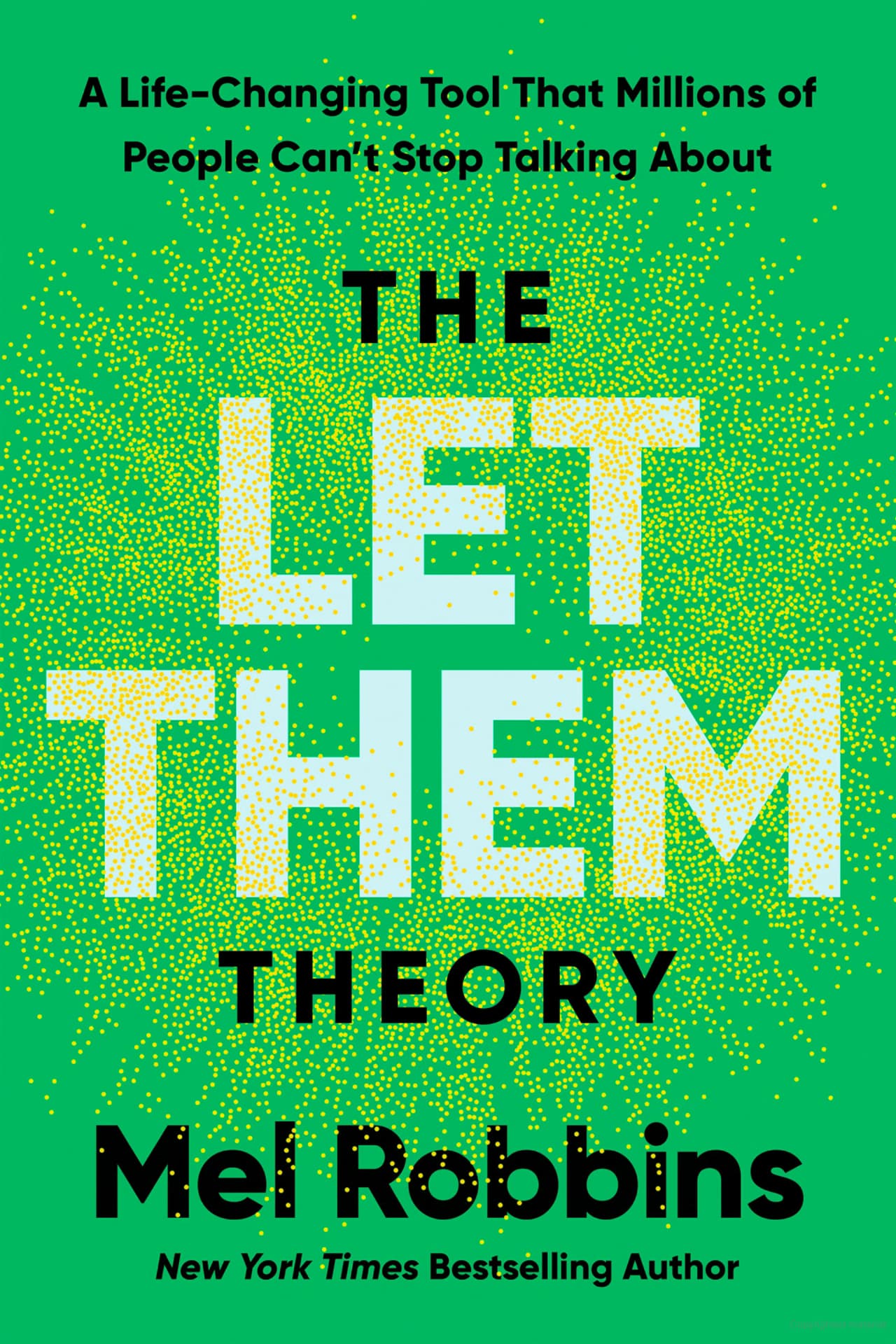
The Let Them Theory by Mel Robbins is a deceptively simple self-help book that's generating fierce debate among readers. With a 4.0/5 rating across nearly 340,000 reviews, this book has become unexpectedly divisive—some readers call it life-changing, while others dismiss it as oversimplified pop psychology dressed up as science. The core premise is undeniably compelling: stop wasting emotional energy on what you can't control and reclaim your personal power. But whether Robbins delivers genuine insight or merely repackages common wisdom depends entirely on where you stand on self-help philosophy.
What This Book Actually Does
Mel Robbins' latest work tackles a universal human struggle: the exhausting cycle of trying to manage other people's opinions, expectations, and behaviors. The "Let Them Theory" proposes that happiness, success, and authentic relationships emerge when you stop attempting to control external forces and redirect that energy inward. Robbins structures the book around eight key life areas—relationships, work, personal goals, friendships, love, resilience, self-doubt, and success—showing readers how this two-word framework can reshape their approach to each domain.
The book isn't theoretical in the academic sense. Rather, it's deeply autobiographical, weaving Robbins' personal struggles—including her husband's battle with alcohol and depression—into practical guidance. She pairs personal anecdotes with research citations and interviews with psychology experts, attempting to ground her philosophy in scientific legitimacy.
The Writing and Presentation
Robbins maintains her signature accessible style: conversational, punchy, and designed for rapid consumption. The book reads like extended podcast episodes—which makes sense given the success of The Mel Robbins Podcast. Paragraphs are short, ideas are repeated for emphasis, and key takeaways are highlighted throughout. This approach makes the book digestible for commuters and casual readers, but it also means there's minimal depth or nuance.
The structure follows a predictable self-help formula: problem identification, personal story, expert validation, actionable steps. If you've read Atomic Habits by James Clear or The 5 Second Rule (Robbins' previous bestseller), you'll recognize the framework immediately.
What Actually Works
The core insight—that you cannot control other people, only your response to them—is genuinely useful. This isn't new psychology, but Robbins packages it in a way that resonates with contemporary anxieties about social media, perfectionism, and people-pleasing culture. Readers struggling with codependency or chronic approval-seeking will find validation here.
The book's strength lies in its permission-giving. Robbins explicitly tells readers: "Let them judge you. Let them struggle. Let them be disappointed." For people drowning in others' expectations, this can feel liberating. The eight-area framework also provides concrete anchoring points—you're not just absorbing philosophy; you're applying it to specific life domains.
The inclusion of expert perspectives (psychologists, neuroscientists, relationship researchers) adds credibility, even if these contributions feel somewhat surface-level. Robbins clearly did the research legwork, which distinguishes this from purely anecdotal self-help.
Where It Falls Apart
Here's where The Let Them Theory review discourse gets heated: critics argue Robbins oversimplifies systemic issues into individual responsibility narratives. The book's "you hold all the power" messaging can read as tone-deaf when applied to poverty, discrimination, or structural inequality. The suggestion that people are simply choosing their circumstances through mindset echoes problematic prosperity gospel thinking.
More fundamentally, the central concept isn't novel. Stoic philosophy, cognitive behavioral therapy, and attachment theory have explored this territory for decades. Readers familiar with books like Man's Search for Meaning by Viktor Frankl or The Courage to Be Disliked (which applies Adlerian psychology) will recognize Robbins is repackaging existing frameworks rather than developing original theory.
The biggest criticism stings because it's accurate: Robbins calls her framework a "theory," but it's really a personal philosophy based on her lived experience. Using the word "theory" invokes scientific rigor the book doesn't actually deliver. The research cited is real, but it's selective—chosen to support conclusions Robbins reached first through intuition and personal trial-and-error.
There's also an uncomfortable tension between Robbins' message and her platform. She built a multi-million dollar career on the premise that you need her guidance to unlock your potential. The irony of buying a book about personal empowerment from someone whose entire business model depends on you feeling stuck isn't lost on skeptical readers.
The Polarization Problem
What makes The Let Them Theory review landscape so contentious is that both enthusiasts and critics are responding to something real. The book genuinely helps people who are drowning in others' expectations. Simultaneously, it genuinely frustrates readers who expect rigorous psychology rather than motivational philosophy. These aren't compatible positions—they reflect different expectations about what self-help books should deliver.
Compare this to Atomic Habits, which offers specific behavioral science and measurable systems, or The Body Keeps the Score, which grounds trauma theory in neurobiology. The Let Them Theory sits closer to inspirational memoir than practical psychology handbook. That's not inherently bad—but it's not what some readers expected from Robbins' track record.
Who Should Actually Read This
Perfect for: People-pleasers struggling with codependency; readers new to self-help who haven't encountered these concepts; anyone drowning in social media comparison and others' judgment; individuals seeking permission to set boundaries; fans of Mel Robbins' previous work and podcast.
Will likely frustrate: Readers with psychology or philosophy backgrounds; people skeptical of pop psychology; those seeking original research rather than motivational frameworks; individuals uncomfortable with the "you create your reality" messaging; anyone looking for systemic analysis rather than individual mindset shifts.
Comparing to Similar Books
If you're deciding between The Let Them Theory and similar titles, context matters. Compared to Emotional Intelligence by Daniel Goleman, Robbins' book is far more accessible but less scientifically rigorous. Compared to The Courage to Be Disliked, which also explores personal power through psychological frameworks, Robbins offers more practical application but less philosophical depth. It occupies the middle ground: more substance than pure motivation, less depth than academic psychology.
Is The Let Them Theory Worth Reading?
Yes—if you approach it as motivational memoir rather than scientific theory. No—if you expect original psychological insight or rigorous research. The honest answer is: it depends on your existing relationship with self-help literature and your tolerance for repackaged concepts.
Mel Robbins' The Let Them Theory excels at what it's designed to do: make people feel empowered and provide a simple framework for redirecting emotional energy. It fails when it claims scientific legitimacy beyond what it delivers. The book is effective not because it's groundbreaking, but because it's well-packaged, highly relatable, and permission-giving at a cultural moment when many people desperately need permission to stop managing others' emotions.
Final Verdict
The book's 4.0/5 rating reflects this split perfectly. Readers either find it transformative or frustratingly superficial—there's little middle ground. The Let Them Theory review community is genuinely divided because the book succeeds brilliantly for its intended audience while disappointing those seeking depth over accessibility.
Rating: 6.5/10 — Effective motivational framework that oversells its scientific foundation but genuinely helps readers trapped in people-pleasing cycles.