Category:
Book ReviewsThe Last Mandarin Review: Ambitious Thriller That Overreaches
Prices can sometimes be lower on bigger marketplaces, but this link helps independent bookstores and local reading communities.
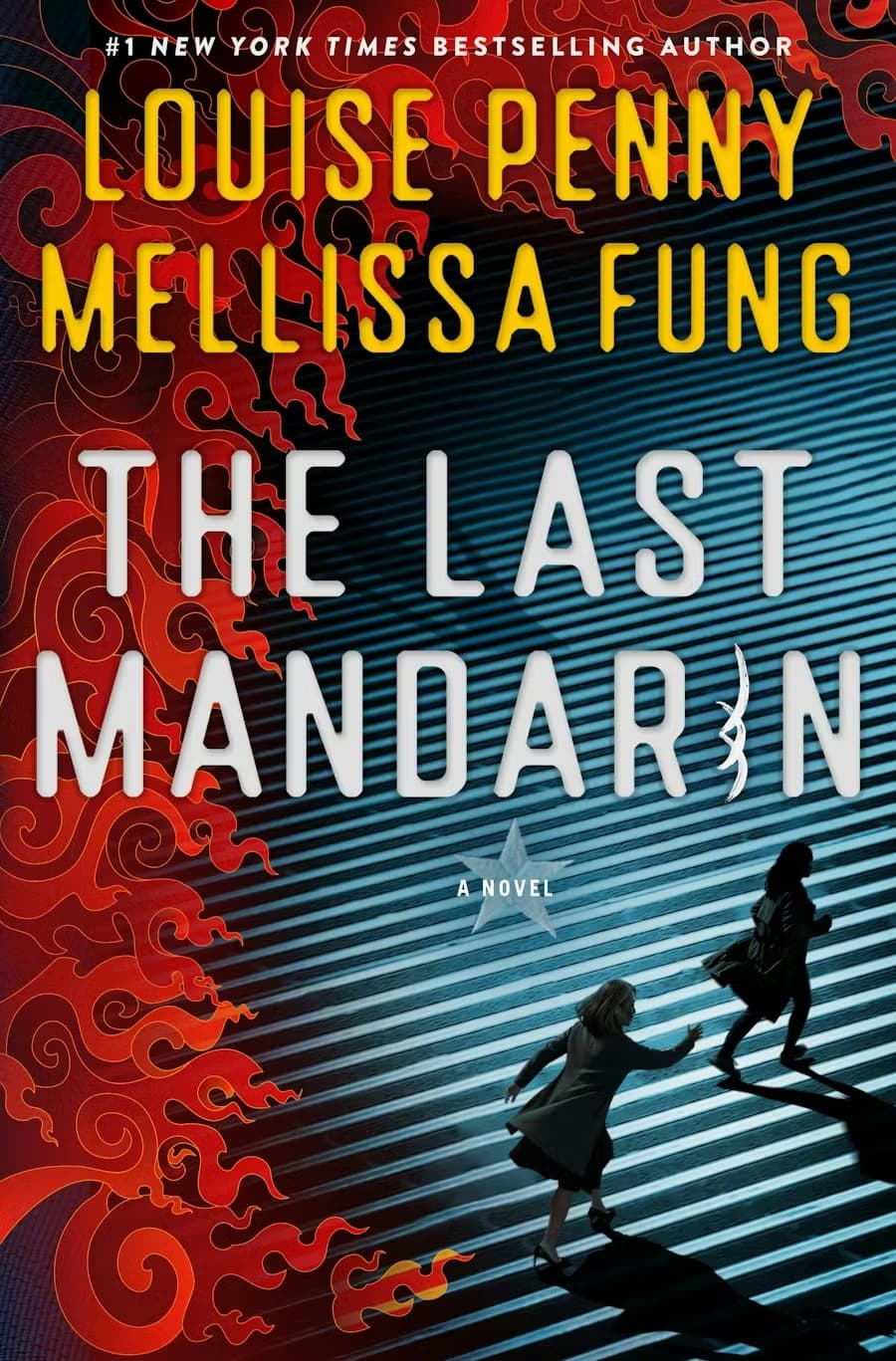
Louise Penny's The Last Mandarin, co-written with journalist Mellissa Fung, is a geopolitical thriller that swings for the fences and occasionally misses. This standalone novel abandons the cozy, methodical world of Penny's beloved Gamache series in favor of globe-trotting espionage, high-stakes political intrigue, and a mother-daughter dynamic caught in international chaos. The result is an uneven book that entertains more often than it convinces—a page-turner that leaves you questioning whether you were thrilled or simply swept along by spectacle.
Quick Verdict
If you're seeking a fast-paced thriller with timely geopolitical themes and don't mind stretching credibility, The Last Mandarin delivers enough momentum to justify a weekend read. However, if you expect the nuanced character work and believable plotting that define Penny's best work, you'll find this collaboration more frustrating than satisfying. The book works as escapist adventure; it fails as a convincing exploration of its own premise.
What It's About
The premise hooks immediately: simultaneous security and fire alarms trigger global panic, traced back to China. The U.S. President calls upon Vivien Li, a Chinese dissident and human rights activist, to decode Chinese intentions. But there's a twist—her estranged daughter Alice, a food blogger with no apparent expertise, is also summoned to the White House.
What unfolds is a conspiracy thriller that spans from Washington D.C. to Hong Kong, from Ohio office buildings to the tomb of China's first emperor. Mother and daughter must work together to prevent catastrophic attacks while navigating threats from shadowy forces within both American and Chinese governments. The narrative weaves in elements of ancient Chinese language, family reconciliation, and questions about power, greed, and sacrifice.
The Writing & Style
Penny and Fung employ short, punchy chapters designed for maximum momentum. The pacing is relentless—you'll race through pages because the authors rarely allow you to pause and think. This is intentional craft, not accident. The dual perspective between Vivien's world-weary political experience and Alice's bewildered everyman viewpoint creates useful contrast.
However, this breakneck speed becomes the book's greatest liability. There's no breathing room to develop characters or establish emotional stakes. The writing prioritizes plot mechanics over the intimate character examination that defines Louise Penny's Gamache novels. Dialogue often feels functional rather than revealing. By the novel's end, you've been entertained but rarely moved.
What Works
The geopolitical framework feels genuinely timely. In an era of great power competition and information warfare, Penny and Fung tap into real anxieties about unstable governments, clandestine operations, and the fragility of global order. The central question—whether China's government has lost control or is orchestrating chaos—creates genuine uncertainty.
The mother-daughter dynamic carries real weight when the book allows it to breathe. Vivien's sacrifice as a dissident, Alice's resentment at living in her shadow, and their mutual misunderstanding form the emotional core. When the plot steps back, these characters engage in conversations that matter.
The ancient women's language subplot, while occasionally heavy-handed, provides a thematic anchor about communication across generations and cultures. It's the novel's most interesting structural choice.
What Doesn't Work
Here's where The Last Mandarin review becomes critical: the plot collapses under scrutiny. Alice's extended family—relatives she's never met—are apparently central to a global conspiracy. The coincidences pile up like an avalanche. Characters possess information they shouldn't have. Motivations shift without clear explanation. The book asks you to accept increasingly implausible scenarios simply because the authors need them to happen.
Compare this to a thriller like The Bourne Identity, where each revelation feels earned and logical, or even Dan Brown's The Da Vinci Code, which at least commits fully to its conspiracy logic. The Last Mandarin hedges its bets, asking readers to accept wild leaps without the narrative scaffolding to support them.
Alice's characterization particularly suffers. A food blogger is thrust into international espionage with minimal training or credible reason for her inclusion. The book never satisfactorily explains why the President would want her input. This isn't a plot twist; it's a plot hole masquerading as mystery.
The ending, while action-packed, resolves through convenient coincidence rather than earned resolution. You'll finish the book unsure whether you witnessed clever plotting or narrative convenience.
Who Should Read It
Perfect for:
- Readers who prioritize plot momentum over character depth
- Fans of geopolitical thrillers like The Midnight Library or international espionage stories
- Those seeking escapist entertainment during winter months
- Louise Penny fans curious about her range beyond the Gamache series
- Anyone interested in contemporary China-U.S. relations explored through fiction
Will likely disappoint:
- Readers who loved the methodical, character-driven Gamache novels
- Those expecting Louise Penny's signature thoughtfulness and restraint
- Thriller readers who demand logical, believable plotting
- Anyone seeking intimate character study over spectacle
- Fans of slow-burn mysteries with genuine twists
The Larger Context
It's worth noting that The Last Mandarin arrives during a surge in geopolitical thrillers exploring U.S.-China tensions. Publishers recognize this market appetite, and Penny's collaboration with journalist Mellissa Fung attempts to lend credibility to the genre. The book's 3.98/5 rating across thousands of reviews reflects genuine division—some readers find it thrilling; others find it frustrating.
The collaboration itself is interesting. Fung's journalism background should have grounded the political elements in reality. Instead, the book often feels like two different stories competing for dominance: the intimate family drama and the globe-trotting espionage plot rarely achieve true synthesis.
Is The Last Mandarin Worth Reading?
Yes—with caveats. The book is worth reading if you approach it as entertainment rather than literature, as escapism rather than examination. It's competent, engaging, and moves with genuine propulsion. You won't be bored. But you also won't be convinced, and you likely won't remember it fondly months later.
If you're a completist Louise Penny fan, you'll read it regardless. If you're exploring her work for the first time, start with the Gamache series instead. If you're seeking a solid geopolitical thriller for a flight or beach vacation, this delivers. If you're seeking something that lingers and rewards reflection, look elsewhere.
Final Score
6.5/10 — An entertaining thriller that sacrifices credibility for momentum, offering enough intrigue to justify the reading time but falling short of genuine excellence.