Category:
Book ReviewsThe Fine Art of Lying Review: Brilliant Setup, Uneven Payoff
Prices can sometimes be lower on bigger marketplaces, but this link helps independent bookstores and local reading communities.
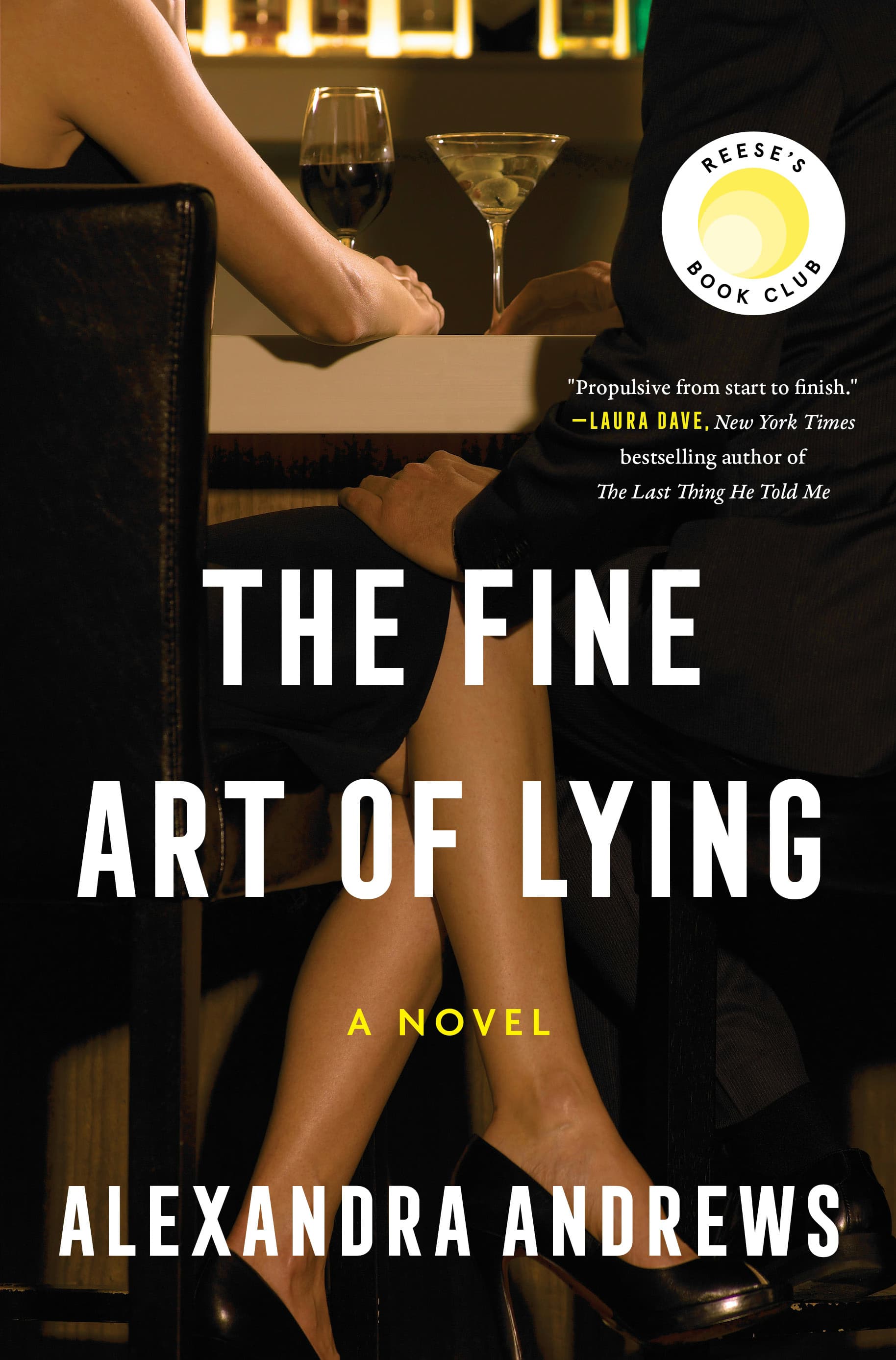
Alexandra Andrews's sophomore novel The Fine Art of Lying arrives five years after her acclaimed debut Who Is Maud Dixon?, and it's a frustratingly ambitious book that doesn't quite stick the landing. The premise is genuinely compelling: a woman trapped between two identities—the art-loving intellectual she was and the wealthy Park Avenue wife she's become—gets caught at a murder scene in Manhattan's cutthroat gallery world. But somewhere between the setup and the final act, this novel loses its grip, trading genuine tension for plot mechanics that feel increasingly contrived.
What This Book Is Really About
Clare Bast is the emotional core of The Fine Art of Lying. She escaped a bleak upstate New York existence through her passion for art, earning herself a place in Jed's one-percent Manhattan world. But that escape came with a price: a half-finished PhD, a dormant career, and a gnawing sense of impostor syndrome that never quite fades. When a well-connected gallery dealer named Gabriel enters her orbit, something awakens in Clare—a reminder of who she was before marriage, motherhood, and compromise.
The novel's central tension isn't really about the murder or the stolen masterpiece. It's about Clare's fundamental dissatisfaction with her own choices. She's not unhappy because Jed is cruel or neglectful; he's actually portrayed as fundamentally decent, which makes the dynamic far more complex and realistic than typical domestic thriller fare. The tragedy is that neither Clare nor Jed are living the lives they actually want, yet they're trapped by circumstance, expectation, and inertia.
Where Andrews Excels
The first 30 percent of The Fine Art of Lying is genuinely excellent. Andrews captures the intoxicating world of New York's art scene with specificity and sophistication. The dialogue crackles, particularly in scenes between Clare and Gabriel, where their shared passion for art creates an undercurrent of attraction that feels earned rather than manufactured. The chemistry between these characters is palpable, and readers report finding themselves actively rooting for an affair—a testament to Andrews's skill at building emotional complexity.
The writing itself is polished and intelligent. Andrews doesn't condescend to her reader; she trusts us to understand nuance and contradiction. Her exploration of class anxiety and the performance of wealth is sharp and observant. The audiobook narration by Therese Plummer elevates the material further, making it an excellent choice for listeners who want literary sophistication without sacrificing narrative drive.
The novel's opening mystery—the gruesome murder and stolen artwork—arrives with genuine impact. Andrews plants clues effectively and makes Clare's predicament feel urgent and genuinely threatening. For those first 300 pages, you're genuinely curious about what happens next.
The Problem: A Thriller That Isn't
Here's where The Fine Art of Lying review becomes complicated. This book markets itself as a thriller, and that's precisely where it stumbles. The second half of the novel—everything after Gabriel's narrative arc concludes—loses momentum significantly. The twists that do arrive feel predictable rather than shocking. Readers consistently report that major plot revelations fail to land with the intended impact. The "wow factor" simply isn't there.
The core issue is genre expectation versus genre delivery. Andrews has written a literary fiction novel with mystery elements, not a propulsive thriller. That's not inherently a problem—literary mysteries have a distinguished pedigree—but when a book is positioned and marketed as a page-turning thriller, readers rightfully feel disappointed when it slows to a contemplative crawl in the final third.
Clare's characterization also becomes problematic as the plot accelerates. Her initial rash decision that sets everything in motion feels somewhat contrived, and her subsequent actions don't always track logically. Readers find themselves frustrated by her choices rather than sympathetic to her plight. The book asks us to follow a protagonist through increasingly dangerous circumstances, yet her decision-making often feels inconsistent with her established intelligence and self-awareness.
The Class and Marriage Subtext
What makes The Fine Art of Lying more interesting than a standard thriller is its exploration of class performance and marital disconnection. Jed's character is particularly well-drawn: he's not a villain, just a man shaped by generational wealth and parental expectation. His mother emerges as a fascinating antagonist precisely because she's not cartoonishly evil—she's simply a product of her world, enforcing its values with the certainty of someone who's never questioned them.
This subtext matters because it grounds the novel in something real. The murder mystery is plot; the marriage crisis is the actual story. But Andrews doesn't quite know which story she wants to tell, and that indecision ripples through the entire second half. When the plot mechanics take over, the character work that made the first half compelling gets sidelined.
Who Should Read This
Read The Fine Art of Lying if: You enjoyed Who Is Maud Dixon? and want more of Andrews's sophisticated prose. You're interested in literary mysteries over procedural thrillers. You appreciate character-driven narratives about class anxiety and female ambition. You enjoy audiobooks and want something that rewards close listening. You're looking for book club material with genuine thematic depth.
Skip it if: You want a genuine page-turning thriller with shocking twists that actually land. You prefer plot-driven narratives where character serves story rather than vice versa. You're frustrated by protagonists who make questionable decisions. You need a satisfying, high-stakes climax that delivers on the promises the setup makes.
The Verdict on This Review
Is The Fine Art of Lying worth reading? Partially. The first half absolutely is—it's intelligent, well-written, and genuinely compelling. The second half is serviceable but disappointing, especially if you're expecting a thriller rather than a literary mystery. Andrews demonstrates real talent for character and dialogue, but her sophomore novel suggests she hasn't quite figured out how to sustain tension across a full narrative arc.
The novel sits at 3.68 out of 5 stars across thousands of ratings, and that score reflects its genuinely divided readership. Some readers find the literary sophistication worth the slower pacing. Others feel betrayed by a thriller that doesn't quite thrill. Neither perspective is wrong.
Alexandra Andrews's The Fine Art of Lying is the rare novel that might have worked better as two separate books: a literary novel about a marriage in crisis, and a thriller about a woman caught in a criminal conspiracy. Instead, it attempts to be both simultaneously, and the result is a book that excels in neither category while offering genuine pleasures in both.
The real question isn't whether this book is good—it's whether it's the book you want to read right now. If you're craving literary sophistication and character depth, absolutely. If you're looking for a thriller that will keep you up past midnight with genuine suspense, you might want to look elsewhere.