Category:
Book ReviewsThe Exorcist's House Review: Demonic Terror Done Right
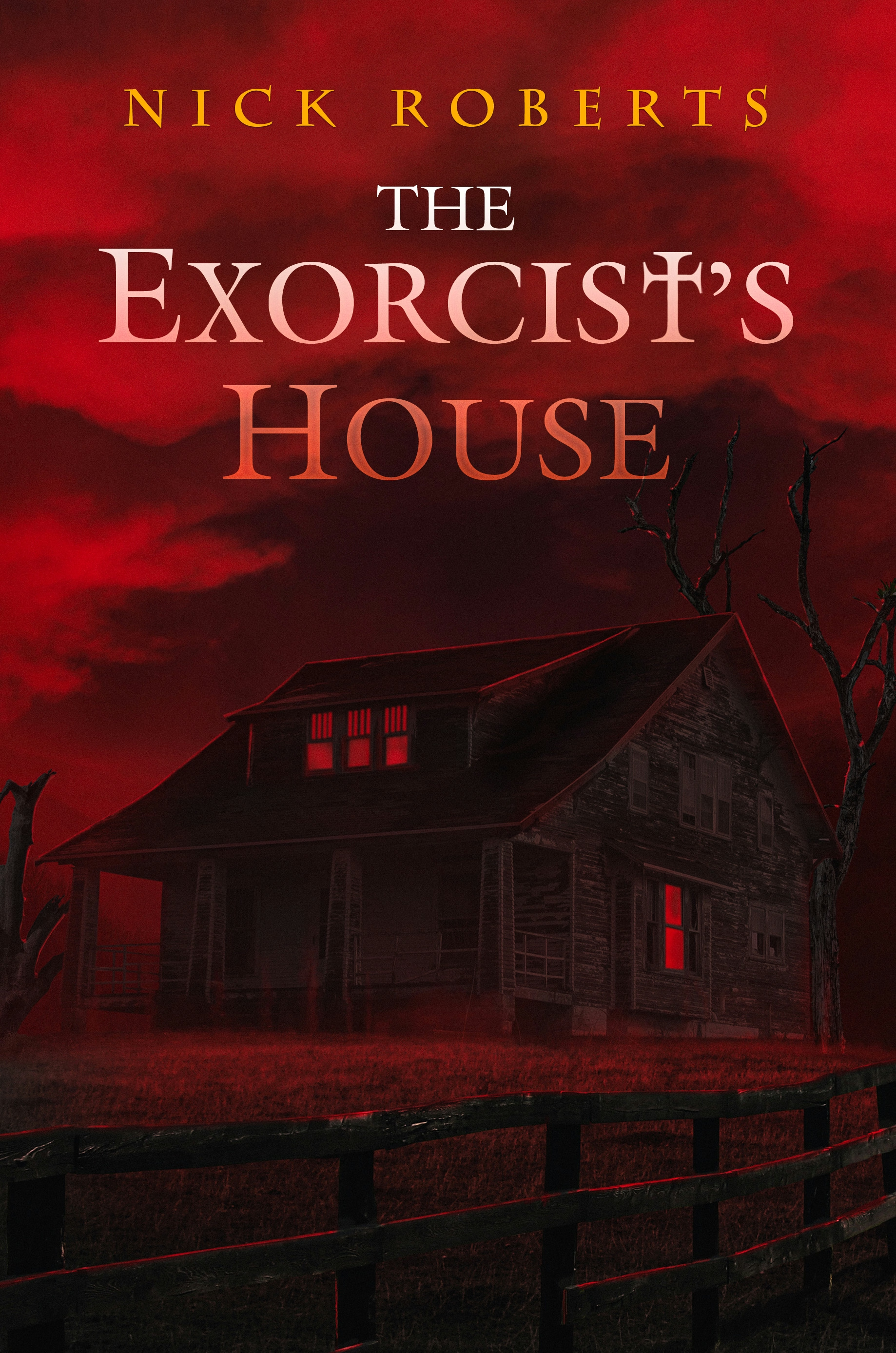
Nick Roberts's The Exorcist's House arrives as a deliberate throwback to the golden age of supernatural horror—think The Exorcist meets The Amityville Horror—but with enough contemporary craft and genuine scares to justify its existence rather than feel like mere pastiche. This is a book that understands what made those classics work and builds something substantially its own.
The premise is deliberately ironic: a psychologist buys a farmhouse in rural West Virginia to escape the pressures of suburban Ohio life, only to discover the previous owner was an exorcist who died under mysterious circumstances. The discovery of a sealed well in the basement, surrounded by crucifixes and locked trunks filled with journals and VHS recordings, sets the stage for what becomes a relentless descent into demonic horror. It's the kind of setup that could easily collapse into B-movie territory, but Roberts executes it with enough restraint and atmospheric tension to keep readers genuinely unsettled.
What Makes This The Exorcist's House Review Worth Your Time
The central question isn't whether Roberts can deliver scares—he demonstrably can. The real question is whether he brings anything fresh to a genre saturated with possession narratives and haunted house tropes. The answer is nuanced: The Exorcist's House doesn't reinvent the wheel, but it polishes it to a terrifying shine.
The Setup That Works
Roberts's greatest strength lies in his atmospheric construction. The early chapters establish the Hill family's genuine contentment with their new rural life—the bonding experience of renovation, the natural beauty of the landscape—before introducing the first unsettling details. This isn't rushed. The discovery of the sealed basement room doesn't happen on page ten; it emerges organically as the family explores their new home.
This pacing matters because it makes the subsequent horror feel earned rather than imposed. When Daniel Hill opens that well, readers have already invested in the family's safety and comfort. The violation of that sanctuary carries weight.
Writing Style: Atmospheric Without Being Overwrought
Roberts avoids the purple prose that can bog down horror fiction. His sentences are lean and purposeful, relying on concrete detail rather than adjective stacking. When describing the demonic entity, he shows restraint—suggesting horror rather than spelling it out—which paradoxically makes it more terrifying. The reader's imagination fills gaps that explicit description would merely limit.
The VHS tapes and journals discovered in the basement serve as an effective narrative device, providing exposition without feeling like exposition. These found documents ground the supernatural elements in a sense of historical reality, making the horror feel less fantastical and more disturbingly plausible.
Character Work That Elevates the Terror
The Hill family could have been cardboard cutouts—the skeptical psychologist, the worried wife, the teenage daughter. Instead, Roberts gives them distinct voices and genuine relationships. Daniel's rationalist resistance to the supernatural creates real tension, not because we doubt him, but because we understand his psychological investment in explaining away the unexplainable.
The supporting characters—particularly Merle Blatty, the deceased exorcist whose history haunts the narrative—are sketched with surprising depth. Rather than existing solely as exposition devices, these figures feel like actual people caught in genuinely tragic circumstances. This human dimension prevents The Exorcist's House from becoming pure spectacle.
Where the Book Truly Excels
Readers consistently highlight specific scenes that transcend typical horror fare. Roberts includes detailed sequences involving exorcism procedures, demonological research, and theological debate that feel authentically researched rather than improvised. This specificity—the technical details of ritual, the theological implications of possession—grounds the supernatural elements in something resembling reality.
The climactic sequences reportedly deliver genuine shock value, with endings that subvert reader expectations rather than confirm them. This willingness to surprise audiences, to deny them the resolution they've been conditioned to expect, separates The Exorcist's House from more formulaic entries in the genre.
The tension building throughout the narrative reportedly maintains momentum deep into the night—that quality of unputdownability that separates effective horror from competent but forgettable genre fiction.
Potential Limitations
Not every reader will find The Exorcist's House equally effective. Some passages move deliberately slowly, prioritizing atmospheric setup over plot momentum. Readers seeking constant action or jump-scares may find stretches that feel deliberately paced rather than propulsive.
The comparative framework—readers noting similarities to established classics—could work against the book's originality in some minds. Those approaching this as a completely fresh take on possession narratives might feel it treads familiar ground, even if it treads it exceptionally well.
The rural West Virginia setting, while atmospherically rich, follows well-worn paths in American horror fiction. The isolated farmhouse location, the local legends, the family's outsider status—these elements work, but they're not particularly novel.
Who Should Read This Book
This book is perfect for:
- Readers who loved The Exorcist and want a contemporary variation that respects the source material
- Horror enthusiasts seeking atmospheric dread over gore and graphic violence
- Anyone interested in demonology, exorcism theology, or the historical context of possession narratives
- Fans of character-driven horror where relationships matter as much as scares
- People who appreciate slow-burn tension and atmospheric world-building
This book may disappoint:
- Readers seeking constant action and rapid-fire plot developments
- Those who prefer gore and explicit violence to psychological horror
- Audiences uncomfortable with religious themes and theological debate
- Readers fatigued by haunted house narratives regardless of execution quality
- Those seeking completely original premises rather than fresh takes on established tropes
The Verdict on The Exorcist's House Review
Is The Exorcist's House worth reading? If you value atmospheric horror, character development, and genuine tension over spectacle, absolutely. Nick Roberts has written a book that understands why the classics endure while bringing contemporary sensibilities to the material.
This isn't a book that reinvents possession narratives, but it executes them with enough craft and specificity to justify its existence. The writing is clean and purposeful, the characters feel real, and the scares land because they're earned through patient atmospheric construction.
The 3.98/5 average rating reflects what happens when a well-executed horror novel meets a diverse audience—some readers want innovation over competence, while others recognize that executing familiar territory brilliantly has its own value. Both perspectives hold merit.
Final Score: 8/10
The Exorcist's House is a masterclass in atmospheric horror that proves you don't need originality to create genuine terror—just skill, patience, and respect for your audience's intelligence.