Category:
Book ReviewsSunflower Season Review: Sweet Romance Derailed by Poor Choices
Prices can sometimes be lower on bigger marketplaces, but this link helps independent bookstores and local reading communities.
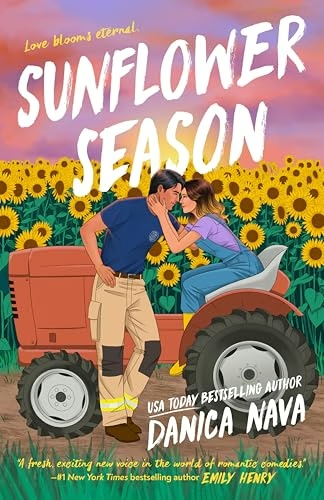
Danica Nava's Sunflower Season is a contemporary second chance romance that arrives with genuine charm and emotional depth, then stumbles hard over a narrative choice that undermines everything it's trying to say about vulnerability and healing. This USA Today bestselling author crafts a compelling premise—burnt-out tech worker returns to her rural Oklahoma hometown to restore a family farm and unexpectedly reconnects with her first love—but the execution reveals a troubling contradiction between the book's thematic intentions and its actual storytelling.
Let's be direct: Sunflower Season review discussions online reveal a significant fault line. The male lead, Noah Abbott, slept with the female protagonist's lifelong bully during their decade-long separation. He later tells this bully he "had a lot of fun" with her. Then he pursues June Walker romantically. This isn't a minor plot point—it's the central tension that readers either overlook or find completely disqualifying. For a book about emotional vulnerability, anxiety, and second chances at love, this choice feels narratively tone-deaf.
What It's About
June Walker abandons her high-pressure Silicon Valley career after hitting a breaking point. Exhausted by burnout and the corporate rat race, she impulsively buys her family's crumbling Sunshine Farm in Love County, Oklahoma, hoping to build the quiet, intentional life she's been fantasizing about. Her plan: restore the farm, embrace homesteading, find peace.
Then Noah Abbott enters the picture. June's first love, best friend, and the boy she left behind when her world fell apart at seventeen. Noah never left Love County. He's been building a stable life—working with the local fire brigade, embedded in his community, seemingly content. When June returns as the new farm owner, Noah wants answers about why she vanished without explanation a decade ago.
The novel becomes a reckoning with unfinished business, old chemistry, and the question of whether first love deserves a second act.
Writing & Style
Danica Nava's prose is genuinely strong. Readers consistently praise the writing quality, and it's deserved—her descriptions of the Oklahoma landscape, the sensory details of farm life, and the emotional texture of her characters feel authentic and immersive. The pacing flows smoothly, with that Hallmark-movie comfort that makes the book easy to consume in a sitting or two.
The flashback sequences to June and Noah's high school relationship are particularly effective. Nava takes time to show their friendship foundation before the romance, which grounds their connection in genuine history rather than just nostalgia. These scenes carry real tenderness and prove the author understands how to build emotional stakes.
What's less successful is the handling of conflict. The book attempts to explore grief, burnout, anxiety, and emotional recovery with sensitivity—and it largely succeeds in these quieter moments. But when drama arrives, it feels manufactured. The ending conflict in particular strikes readers as shock value rather than organic character development, which is a significant misstep for a book that's otherwise built on authenticity.
What Works
The anxiety representation lands well. June's panic attacks and her struggle with identity after leaving corporate America feel honest and grounded. This isn't anxiety as a plot device; it's woven into her character arc in ways that matter. Readers appreciate that Nava treats this seriously.
The small-town setting is genuinely charming without becoming saccharine. Love County, Oklahoma functions as more than just backdrop—it's a living community with gossip, history, and stakes. The rural setting also provides a refreshing contrast to typical contemporary romance locations.
Noah Abbott works as a love interest for much of the book. He's patient, emotionally available, and genuinely interested in understanding June's journey. The second chance romance dynamic—two people with history finding their way back to each other—crackles with chemistry and longing. If you want a "loverboy" character who's willing to do the emotional work, Noah initially delivers.
The book also includes Indigenous representation in a cozy small-town romance, which remains rare in the genre. This adds texture and authenticity to the setting.
What Doesn't Work
The Noah-and-the-bully situation is the elephant in the room. June spent her childhood being bullied. During her separation from Noah, he slept with this same person and described it as fun. The book expects readers to move past this as a youthful mistake, but it fundamentally contradicts the emotional vulnerability and respect the narrative is otherwise asking us to believe in.
This creates a narrative problem: how can June trust Noah with her fragile emotional state when he's already demonstrated poor judgment about her pain? The book doesn't adequately grapple with this question. Instead, it asks readers to overlook it in service of the romance.
There's also a scene early on where Noah announces to a gossipy dinner table that he and June are engaged—when they've barely reconnected and she hasn't consented to this public declaration. It sends June into a panic attack. While the book frames this as unintentional humiliation, it's another moment where Noah's actions undermine the emotional safety the romance is supposed to provide.
The ending drama feels out of place and unnecessary. Multiple readers note it appears designed for shock value rather than meaningful character growth. For a book that's otherwise grounded in emotional authenticity, this pivot into melodrama jars.
Who Should Read It
Sunflower Season is perfect for readers who want cozy, feel-good small-town romance with genuine emotional depth. If you loved The Hating Game by Sally Thorne for its banter-to-romance arc, or People We Meet on Vacation by Emily Henry for its blend of humor and heart, you'll find something to enjoy here.
The book resonates strongly with readers experiencing or recovering from burnout. June's journey from corporate exhaustion to intentional living will feel validating if you've questioned the rat race yourself. The representation of anxiety and the exploration of grief also make this valuable for readers seeking normalized mental health narratives in romance.
Skip this if you need your male leads to make consistently respectful choices, or if you're sensitive to narratives that ask you to overlook betrayals in service of romance. If you're bothered by the idea that a love interest slept with your bully and then expects forgiveness and romantic consideration, this book will frustrate you—and that frustration is legitimate.
The Verdict
Sunflower Season by Danica Nava is a book caught between what it wants to be and what it actually is. It wants to be a tender exploration of second chances, emotional vulnerability, and healing through connection. In its best moments—the flashbacks, the quiet farm scenes, June's anxiety representation—it succeeds beautifully.
But it undermines itself by asking readers to accept a male lead whose past actions contradict the emotional safety the romance claims to offer. This isn't a minor characterization issue; it's a thematic one. For a book this invested in portraying authentic emotional growth, the disconnect between its values and its plot choices is hard to ignore.
Is Sunflower Season worth reading? Yes, if you can move past the Noah-and-bully subplot and enjoy the genuine strengths in Nava's writing and characterization. No, if you need your romance heroes to earn their heroism through consistent emotional intelligence and respect.
The book sits at 3.99 out of 5 stars across 2,500+ ratings, which tells you everything: readers find it charming and well-written, but the central relationship problem keeps it from being truly beloved. It's a solid contemporary romance with excellent bones and a significant structural flaw.
Final Score: 6.5/10 — Excellent writing and premise undermined by narrative choices that contradict the book's emotional themes.