Category:
Book ReviewsSitcom: A Memoir Review: Funny But Frustratingly Self-Indulgent
Prices can sometimes be lower on bigger marketplaces, but this link helps independent bookstores and local reading communities.
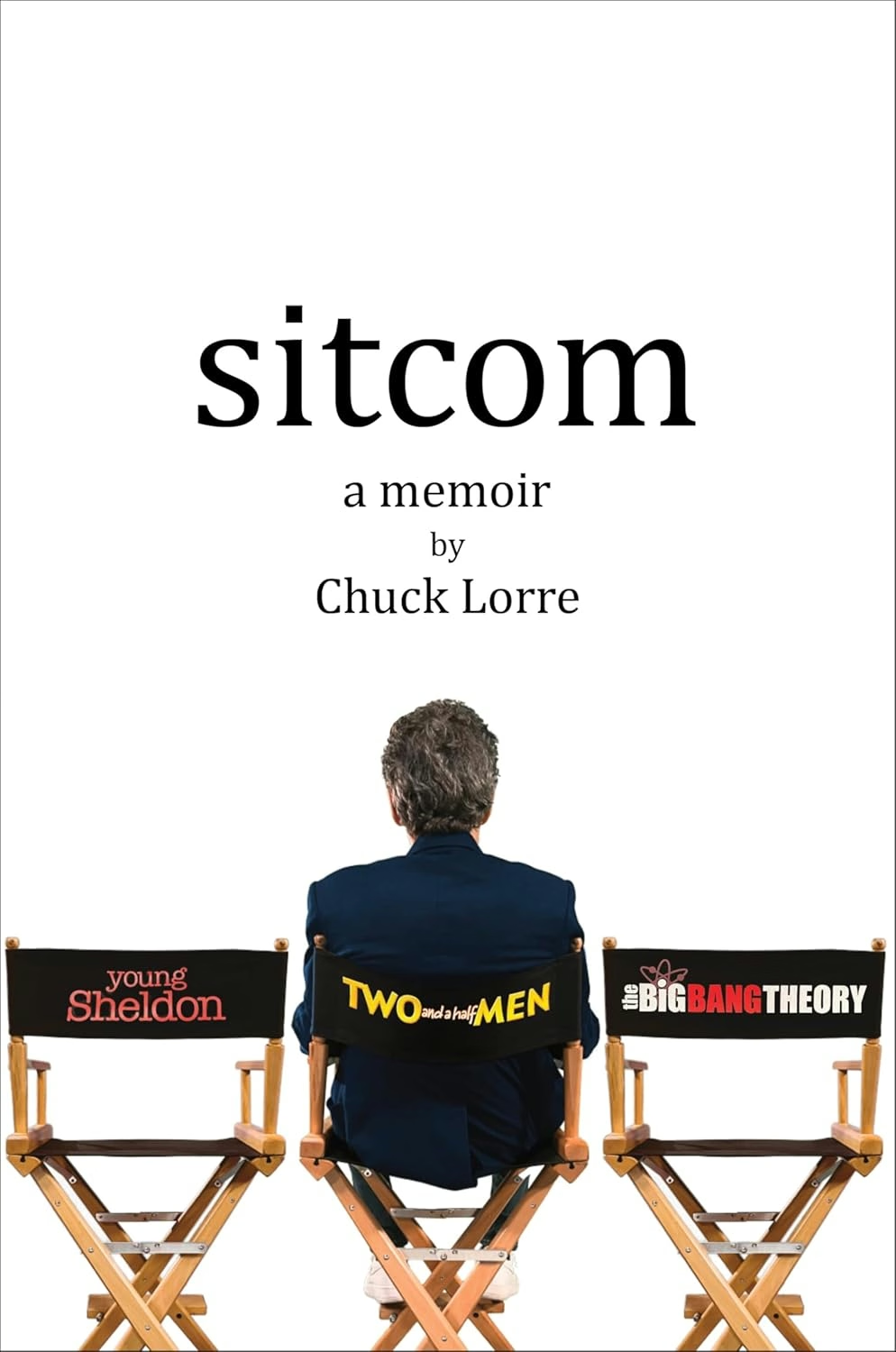
Chuck Lorre's Sitcom: A Memoir is a paradox wrapped in a vanity card—a book that promises behind-the-scenes gold from one of television's most prolific creators, then makes you wade through decades of personal grievance to find it. As someone who's shaped the comedic landscape with The Big Bang Theory, Two and a Half Men, Young Sheldon, and Mom, Lorre has earned the right to tell his story. But does he tell it well? That depends entirely on whether you're here for the man or the machine.
Quick Verdict
This memoir delivers occasional brilliant anecdotes and genuine insight into how sitcoms get made, but buries the good stuff under layers of self-pity, failed relationships, and health complaints. Lorre's Sitcom: A Memoir reads like a man finally given the microphone to explain himself—and then spending half the time talking about everything except what we actually want to hear. It's worth reading if you're genuinely curious about Lorre as a person; it's a waste of time if you're expecting juicy set secrets.
What It's About
Lorre takes us from his struggling musician days through his journey to becoming television's reigning sitcom architect. Along the way, we get his version of addiction battles, multiple failed marriages, chronic illness, and the messy relationships that somehow became raw material for comedy gold. The book promises an "all-access pass" to understanding how shows like Roseanne, Dharma & Greg, and The Kominsky Method came to life. It partially delivers on that promise—but only after you've endured what feels like an extended therapy session.
Writing & Style
Lorre understands the craft of writing in ways most celebrity memoirists don't. The prose is sharp, occasionally self-aware, and genuinely funny in moments. He can construct a comedic beat on the page almost as well as he does on screen. This technical competence is both blessing and curse: it means the writing never becomes unreadable, but it also means Lorre's self-aware enough to know exactly how self-indulgent he's being—and he does it anyway.
The book reads quickly, which is either a feature or a bug depending on your perspective. Some readers wish it were longer and deeper; others feel like they're being punished for wanting more substance. The pacing suggests Lorre knows what sections will bore readers and powers through them at breakneck speed.
What Works
The best moments come when Lorre stops talking about himself and starts talking about the people he's worked with. A scene involving Brett Butler and Roseanne Barr comparing notes as the "all-powerful queens of comedy" is genuinely hilarious and reveals something true about the absurdity of Hollywood hierarchies. These scattered anecdotes—often about washed-up stars, diva behavior, and industry dysfunction—are what justify picking up this book.
Lorre's honesty about his own mediocrity is refreshing. He doesn't pretend to be a visionary auteur; he presents himself as a workaholic who stumbled into success by being prolific and adaptable. This humility—when it appears—makes him likable. His willingness to discuss addiction, failed marriages, and chronic illness adds genuine emotional weight to certain passages. You occasionally feel something.
For viewers who've spent years watching his shows, there's real value in understanding the creative infrastructure behind them. How does someone produce nearly two thousand half-hours of comedy? What compromises get made? How do networks, stars, and creators navigate conflicts? Lorre touches on these questions, though rarely with the depth they deserve.
What Doesn't Work
The fundamental problem with Sitcom: A Memoir is structural. Lorre saves his major shows for the final chapters, which means you're investing 60% of your reading time in his personal history before getting to the actual sitcom content. This isn't a memoir about his life in comedy—it's a memoir about his life that happens to include comedy. For readers specifically interested in his television work, this feels like punishment.
The "dirt" readers expect never materializes. Lorre hints at conflicts, axes to grind, and behind-the-scenes drama, but rarely escalates beyond gossip. The revelations about various colleagues feel trivial in retrospect. There's no "holy shit" moment, no scandal that reframes how we understand his shows, no genuinely shocking confession. Instead, you get the sense that Lorre is still protecting people—or protecting himself from lawsuits.
Most problematically, Lorre seems aware of what readers want and deliberately withholds it. This creates an adversarial relationship between author and reader. You're not reading a memoir; you're being lectured by someone who knows you're bored and is making you sit through it anyway. That's not engaging—that's contemptuous.
The book also suffers from what might be called "unreliable narrator syndrome." Lorre presents himself as a victim repeatedly—of his mother, his industry, his colleagues—without sufficient self-awareness about his own role in these narratives. He claims people "did him dirty," but his account of events often suggests he was complicit. This lack of genuine introspection undermines the memoir's emotional authenticity.
Who Should Read It
Read this if you're a devoted fan of Lorre's shows and want to understand the person behind them. Read it if you're interested in how television comedy actually gets produced, despite the book's limitations. Read it if you appreciate sharp writing and occasional genuine humor.
Skip it if you're looking for scandal, insider secrets, or profound revelations. Skip it if you have limited time and want actual substance. Skip it if you're not already invested in Lorre's work—the personal history won't make you care about him.
The Comparison Test
Unlike memoirs such as Tina Fey's Bossypants, which balances personal narrative with industry insight and genuine wisdom, Sitcom: A Memoir feels unbalanced. Fey uses her life as context for understanding comedy and leadership; Lorre uses comedy as occasional punctuation in his life story. It's also far less generous than someone like Norman Lear's Even This I Get to Experience, which offers broader historical perspective on television's evolution.
The Real Issue
Chuck Lorre's Sitcom: A Memoir suffers from a fundamental disconnect between what it promises and what it delivers. The cover and marketing suggest you're getting behind-the-scenes access to creating some of television's biggest hits. What you actually get is a man working through his issues while occasionally mentioning the shows you care about. This isn't necessarily bad—therapy can be valuable—but it's dishonest marketing.
The book's 3.93/5 average rating reflects this exact tension. Five-star readers came for Lorre the person and found him; one-star readers came for the sitcoms and felt cheated. Both are right. The question is which reader you are.
Final Score
6/10 — Technically well-written with moments of genuine insight, but structurally frustrating and emotionally withholding in ways that feel deliberate rather than accidental.