Category:
Book ReviewsSamantha: The Next Chapter Review - A Nostalgic
Prices can sometimes be lower on bigger marketplaces, but this link helps independent bookstores and local reading communities.
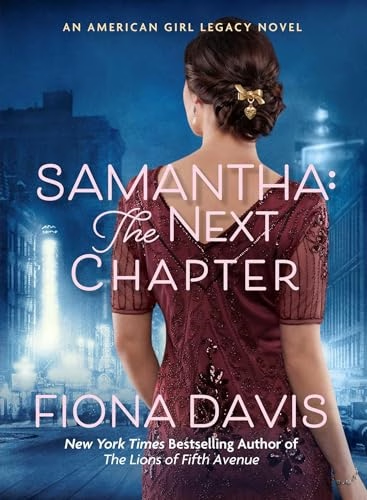
Fiona Davis's Samantha: The Next Chapter is a bold experiment that mostly succeeds: taking a beloved American Girl character into adulthood and asking what happens when privilege vanishes overnight. This isn't a simple nostalgia play. It's a mystery-driven historical fiction novel set in 1920s New York that transforms Samantha Parkington from a spirited child into a determined young woman fighting to reclaim her stolen legacy. The real question isn't whether this book works—it does—but whether it captures something meaningful beyond the comfort of returning to a familiar character.
What This Book Actually Is
Samantha: The Next Chapter opens with genuine emotional weight. Samantha's grandmother has passed away, and in her grief, our protagonist discovers that the family's Mount Bedford estate—along with her entire inheritance—has been stolen through a fraudulent will naming an entity called MRB Corporation as the beneficiary. Within pages, Samantha transforms from a privileged socialite into a shop girl living in a boarding house, working to uncover the truth behind the scheme.
Davis sets this story against the backdrop of 1920, a year when women were voting in a presidential election for the first time. Samantha channels her energy into both suffrage work and detective work, infiltrating criminal networks and following leads that spiral into increasingly dangerous territory. It's a clever premise: the same determination that made young Samantha memorable now serves a more urgent purpose.
The Nostalgia Question
This is where Samantha: The Next Chapter review conversations get interesting. Readers returning to this character after decades face an unexpected emotional experience. The book doesn't shy away from loss—Grandmary's death is handled with genuine tenderness, and the revelation of the theft lands hard. For readers who grew up with the original American Girl series, seeing these characters age authentically creates an oddly moving effect.
But nostalgia alone doesn't carry a novel. Davis understands this. She reintroduces beloved supporting characters like Uncle Gard and Cornelia, but uses them as plot anchors rather than mere callbacks. The pacing in the middle section does sag slightly—some readers noted that the narrative drags before the mystery accelerates—but once the criminal elements and romantic tensions emerge, the book finds its rhythm.
Where the Writing Excels
Davis demonstrates genuine research into the 1920s setting. The boarding house sequences feel lived-in, the suffrage movement is woven naturally into Samantha's motivations, and the criminal underworld adds texture without overwhelming the character work. The dialogue captures period-appropriate speech patterns without feeling stilted.
What's particularly effective is how Davis handles Samantha's character evolution. She's lost the more grating characteristics of her childhood self—the smugness, the rigid class consciousness—while retaining her core stubbornness. This feels earned rather than convenient. The supporting cast, particularly the love interests and allies Samantha recruits, give the narrative momentum during its stronger passages.
What Doesn't Quite Land
The resolution arrives too cleanly. Several readers noted that the conclusion feels compressed, as though Davis wrapped up threads faster than the narrative's complexity warranted. The criminal plot, which should feel genuinely threatening, resolves with a tidiness that undercuts the stakes. In a longer novel, this might have been expanded into something more textured.
Additionally, some character absences stand out. Readers specifically mentioned missing Nellie from the original series, and her absence is felt—not because she's essential to the plot, but because her dynamic with Samantha was central to those earlier stories. The book's relatively compact length (compared to contemporary historical fiction) means certain relationships and conflicts get shortchanged.
Who This Book Is For (and Who It Isn't)
Read this if: You have any connection to the American Girl series, even nostalgic affection from childhood. You enjoy historical mysteries set in the 1920s. You want a female protagonist who's competent without being invulnerable. You appreciate character-driven plots over high-stakes action.
Skip this if: You need your historical fiction densely researched and complex. You want a gritty, morally ambiguous crime novel. You haven't read the original Samantha books and have no investment in the character—this book assumes familiarity and won't work as a standalone entry point.
Writing Style and Pacing
Davis writes in clear, accessible prose that mirrors the American Girl style without feeling juvenile. The pacing issue mentioned earlier is real but not fatal. The first section (Grandmary's death and the theft revelation) is strongest. The middle drags slightly as Samantha settles into boarding house life. The final third accelerates and mostly justifies the wait.
Compared to similar historical mysteries like The Vanishing Half or The Midnight Library, this is lighter fare—more plot-driven, less psychologically complex. But that's not necessarily a weakness. It's a different kind of book with different ambitions.
The Verdict on Reintroduction
The fact that Samantha: The Next Chapter works at all is remarkable. Adult novels built around beloved childhood characters often collapse under the weight of expectation. This one doesn't. It respects what came before while moving forward. The 4.12/5 average rating across nearly 1,000 reviews suggests genuine reader satisfaction, though the spread of opinions—from five-star devotion to three-star appreciation—indicates this book hits differently depending on what you bring to it.
Is Samantha: The Next Chapter worth reading? Yes, with the caveat that your enjoyment depends heavily on your connection to the source material. For lapsed American Girl readers, it's a genuinely satisfying return. For mystery readers seeking a tight, complex plot, it's competent but not exceptional. For historical fiction enthusiasts, it's solid mid-tier work that values character over complexity.
Final Thoughts
What makes this book interesting isn't that it's perfect—it isn't. It's that it takes a real risk by aging up a character readers knew as a child and asking what her adult life might look like. The answer Davis provides is thoughtful, occasionally moving, and entertaining. The plot resolves too neatly, the pacing could be tighter, and some character threads feel underdeveloped. But the core achievement—making Samantha Parkington matter as an adult protagonist—succeeds.
The book's greatest strength is its emotional authenticity in the opening chapters. The theft of Samantha's inheritance isn't just a plot device; it's a genuine loss that strips away the privilege that defined her youth. How she responds to that loss, and what she learns about herself in the process, gives this novel substance beyond nostalgia.