Category:
Book ReviewsSagaras Review: A Divisive but Emotionally Resonant Climax
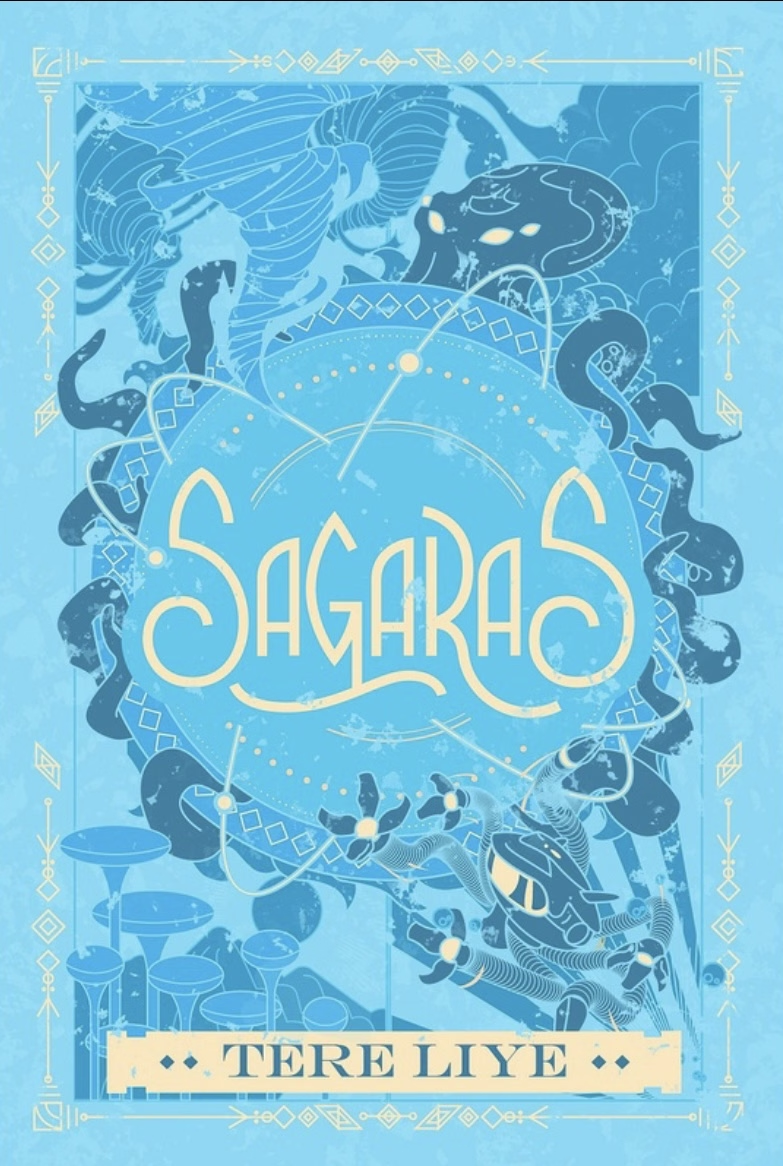
Prices can sometimes be lower on bigger marketplaces, but this link helps independent bookstores and local reading communities.
Quick Verdict
Sagaras by Tere Liye delivers an emotionally devastating conclusion to Ali's origin story that will leave you simultaneously smiling and crying—but at the cost of narrative consistency and world-building depth. This 13th installment in the BUMI series is a polarizing entry that rewards long-time fans while frustrating those seeking fresh storytelling.
What You're Actually Getting Into
Tere Liye's Sagaras finally answers the question that's haunted the entire BUMI series: who are Ali's parents? After years of speculation, the mystery unravels through a combination of exposition, brutal combat tournaments, and emotional revelations that form the novel's core narrative. Ali, alongside his loyal companions Raib and Seli, must confront the Sagaras—an impenetrable fortress and its five warrior knights—in a series of high-stakes battles that will determine not just Ali's future, but the fate of multiple clans.
The story operates as both a climactic payoff and a bridge to whatever comes next in this sprawling Indonesian fantasy saga. Master B returns as the gruff mentor figure, and the dynamic between the three protagonists takes center stage in ways previous installments didn't quite achieve.
The Emotional Gut-Punch That Actually Lands
Here's where Tere Liye succeeds brilliantly: the ending works. Readers report genuine emotional catharsis—the kind that persists through rereads. The final pages deliver exactly what the book's blurb promises: smiles through tears, bittersweet closure, and genuine character satisfaction. This isn't manipulation; it's earned emotional resonance built on thirteen books of investment.
The friendship dynamics between Ali, Raib, and Seli shine brightest here. Their banter, vulnerability, and unwavering loyalty feel authentic in ways that justify the series' devoted following. The introduction of new characters, particularly the Sagaras knights themselves, brings fresh energy to a series that was beginning to feel repetitive.
Where the Cracks Show
But this Sagaras review must acknowledge a critical problem: the writing quality feels noticeably different from earlier BUMI installments. The shift in perspective away from Raib's typical narration introduces narrative distance that some readers found jarring. More troubling is how the book handles its own mythology.
The world-building, which should have expanded dramatically given the introduction of an entirely new clan and fortress, instead contracts. Readers expecting lavish descriptions of Sagaras and its inhabitants—comparable to the Moon Clan or Comet Clan sequences—instead find themselves confined to walls, cargo ships, and flying capsules. The physical environment becomes almost irrelevant, replaced by repetitive combat sequences.
The central mystery of Ali's parentage, positioned as the book's emotional lynchpin, gets delivered through exposition dumps and fragmented revelations rather than organic discovery. This narrative choice undermines what should have been the series' most impactful moment. Additionally, the combat scenes rely on a frustrating pattern: characters gain sudden power surges precisely when defeat looms. Ali masters advanced techniques through his suit with suspicious ease while other characters suffer years of training for identical abilities. This inconsistency breaks immersion.
Raib's character development particularly suffers from what some readers describe as "power scaling that defies logic." Her abilities expand at convenient moments, and the narrative doesn't adequately justify her rapid advancement compared to her peers. Seli, conversely, receives substantial focus that borders on overshadowing the main character—a structural choice that works emotionally but feels unbalanced.
The Repetition Problem
The five-round tournament structure, while thematically sound, becomes mechanically exhausting. Readers notice the fight choreography repeating itself, and while this reflects the actual plot (repeated battles against different opponents), it creates a slog through the middle section. For a series that's built its reputation on pacing and momentum, this represents a notable misstep.
Tere Liye also leaves significant questions unanswered about Sagaras itself and hints at an ending deliberately designed to create cliffhangers. Some readers appreciate this narrative ambition; others find it frustratingly incomplete.
Who Should Actually Read This
Perfect for: Long-time BUMI series devotees who've invested in Ali's journey. Readers who prioritize emotional payoff over technical execution. Fans of character-driven fantasy who value friendship narratives and personal growth arcs. Anyone who's been waiting thirteen books for answers and doesn't mind some structural compromise to get them.
Will likely disappoint: Readers seeking expanded world-building and immersive setting descriptions. Those fatigued by repetitive combat sequences. Newcomers to the series (start with earlier BUMI books instead). Readers who value consistent power scaling and logical character progression. Anyone expecting the narrative complexity of comparable YA fantasy series.
How It Compares
Unlike Percy Jackson's later installments, which maintained narrative freshness while delivering emotional conclusions, Sagaras feels more like The Maze Runner: Death Cure—a finale that prioritizes emotional resolution over creative storytelling. The comparison isn't meant as harsh criticism; sometimes readers want that trade-off. But it's worth knowing what you're choosing.
The Verdict
Sagaras by Tere Liye succeeds as an emotional experience and largely succeeds as a mystery resolution, but it stumbles as a piece of craft. The writing feels rushed in places, the world-building regresses, and the power scaling strains credibility. Yet none of this diminishes the genuine impact of its final pages or the authentic character moments scattered throughout.
Is Sagaras worth reading? Yes—if you've already committed to the BUMI series. It delivers the payoff you've been waiting for, even if the journey there feels compromised. As a standalone entry or series jumping-on point, it fails. As the culmination of a thirteen-book arc, it mostly works, despite its flaws.
Final Score: 7/10
The emotional landing justifies the journey, but inconsistent execution prevents this from being the triumphant climax the series deserved.