Category:
Book ReviewsRevenge Plot Review: A Brilliant Twist on Publishing Obsession
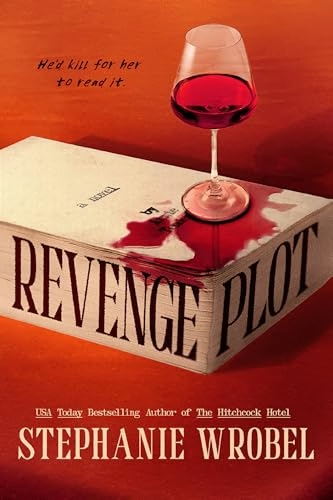
Prices can sometimes be lower on bigger marketplaces, but this link helps independent bookstores and local reading communities.
Stephanie Wrobel's Revenge Plot is a masterclass in misdirection—a psychological thriller that weaponizes our assumptions about narrative reliability and literary ambition. This isn't a straightforward revenge tale. It's a meta-examination of publishing desperation, authorial entitlement, and the dangerous intersection where obsession meets opportunity. The 4.14/5 rating on Goodreads doesn't tell the full story; what matters is that readers consistently report being genuinely shocked by where this novel actually goes.
The premise hooks you immediately: an unpublished author named Arnie Tenderton orchestrates a chance encounter with literary agent Claudia Conley in a remote treehouse during Christmas. She rejected his manuscript. Now he's trapped her—literally and figuratively—with a new book written specifically to expose her secrets. It sounds like a straightforward psychological thriller. It absolutely isn't.
What This Book Actually Does
Wrobel doesn't just tell you a story; she manipulates the architecture of storytelling itself. Revenge Plot unfolds across multiple perspectives and timelines, each revealing new information that recontextualizes everything you thought you understood. The Christmas setting becomes claustrophobic. The treehouse transforms from quirky detail into a pressure cooker. And the manuscript Arnie wants Claudia to read? It becomes the lens through which we examine truth, manipulation, and the stories we tell ourselves.
The publishing industry elements are sharp and specific. Wrobel clearly understands the gatekeeping dynamics, the power imbalances, and the particular vulnerability of unpublished writers. She explores how agents wield rejection, how bloggers and influencers shape literary discourse, and how the industry's obsession with trends creates a system ripe for exploitation. This isn't background noise—it's the thematic backbone.
The Writing and Structure
The novel's greatest strength is its structural audacity. Wrobel unfolds the narrative across multiple narrative voices and perspectives, each course of Claudia's elaborate Christmas dinner marking a new revelation. This isn't gimmicky—it's purposeful. The pacing mirrors the progression of a meal, building tension through each course until you're left breathless at dessert.
The prose itself is clean and propulsive. Wrobel trusts her readers enough to plant clues without underlining them. There's a six-year-old character named Theo who serves as an audience surrogate, his suspicions mirroring ours. The dialogue crackles with subtext. Nobody says what they mean; everyone's performing.
However, the multiple perspectives occasionally create confusion rather than clarity. Some readers report needing to reread sections to track whose voice they're in. This is intentional—Wrobel wants you disoriented—but it's a deliberate trade-off between literary effect and accessibility.
What Works Brilliantly
The twist ending is genuinely earned. Unlike many thrillers that rely on cheap reveals, Wrobel plants the seeds for her final pivot throughout the entire novel. Readers who pay attention will catch them; those who don't will feel delightfully blindsided. This is the kind of ending that makes people want to immediately discuss it with others, which explains why so many reviews mention wanting to talk about it with friends.
The character work is exceptional. Claudia Conley emerges as a complex figure—neither villain nor victim, but someone navigating impossible power dynamics. Arnie is genuinely unsettling precisely because he's not a caricature. He has motivations that make sense, even as his actions become increasingly disturbing. The supporting characters, particularly those who exist in the publishing ecosystem, feel authentically drawn.
The meta-textual commentary on publishing is both funny and cutting. Claudia's observations about the slush pile—her exhaustion with predictable tropes, her frustration with derivative submissions—will resonate with anyone who's thought about how stories get made and gatekept.
Where It Stumbles
The dual timeline structure, while ultimately effective, occasionally feels unnecessarily complicated. Some readers report that one particular twist strains credibility just slightly—not enough to derail the entire narrative, but enough to create a momentary "wait, how does that logistically work?" pause.
The pacing in the middle section occasionally drags. While Wrobel is building tension deliberately, some readers will experience this as slower than they prefer. If you want relentless forward momentum, you might find yourself wanting to skip ahead during the extended dinner sequence.
The novel also doesn't fully explore some of its most interesting implications about the publishing industry. It touches on these themes brilliantly, but doesn't dig as deeply as it might into systemic issues beyond individual character motivations.
Who Should Read This
Perfect for: Readers who loved The Silent Patient or One of Us Is Lying but want something more ambitious structurally. Anyone interested in publishing industry dynamics. Thriller fans who appreciate unreliable narrators and don't mind being manipulated by an author. Literary thriller readers who want psychological complexity alongside plot twists. People who enjoy discussing endings—this book demands conversation.
Skip if: You need straightforward, linear narratives. You're looking for a traditional revenge story. You prefer character development over structural experimentation. You want a protagonist to root for rather than puzzle over. You're exhausted by meta-textual games about publishing.
Comparison to Similar Works
If you've read The Silent Patient by Alex Michaelides, you know the appeal of a shocking final reveal. Revenge Plot operates in similar territory but with more structural ambition and better character work. Where Michaelides relies on a single twist, Wrobel layers multiple reveals that build on each other.
Compared to Daisy Jones & The Six by Taylor Jenkins Reid, both novels use unconventional narrative structures to examine industries (music and publishing respectively). But Revenge Plot is darker and more psychologically unsettling, while Reid's novel is more ensemble-focused and ultimately more hopeful.
The Verdict
Is Revenge Plot worth reading? Yes, absolutely—but with the caveat that you need to be the kind of reader who enjoys being deliberately confused and manipulated by narrative structure. This isn't a book that holds your hand or rewards passive reading. Stephanie Wrobel's Revenge Plot demands engagement, attention, and a willingness to have your assumptions questioned.
The novel succeeds at what it sets out to do: create a psychological thriller that's as much about storytelling as it is about the story being told. It's a book that understands publishing, understands obsession, and understands how dangerous the combination can be. The ending will stay with you—partly because it's genuinely surprising, partly because it raises uncomfortable questions about narrative authority and truth.
This is a thriller that thinks, which makes it rare and valuable in a genre often content to simply entertain. Whether you'll love it depends entirely on whether you want to be entertained or challenged. Revenge Plot chooses challenge every time.
Final Score: 8/10
A structurally ambitious psychological thriller that executes its complex narrative with precision and delivers a genuinely shocking ending that recontextualizes everything you've read—held back only by occasional pacing issues and one twist that strains credibility slightly.