Category:
Book ReviewsRaising Hare Review: A Beautiful Memoir With Uneven Execution
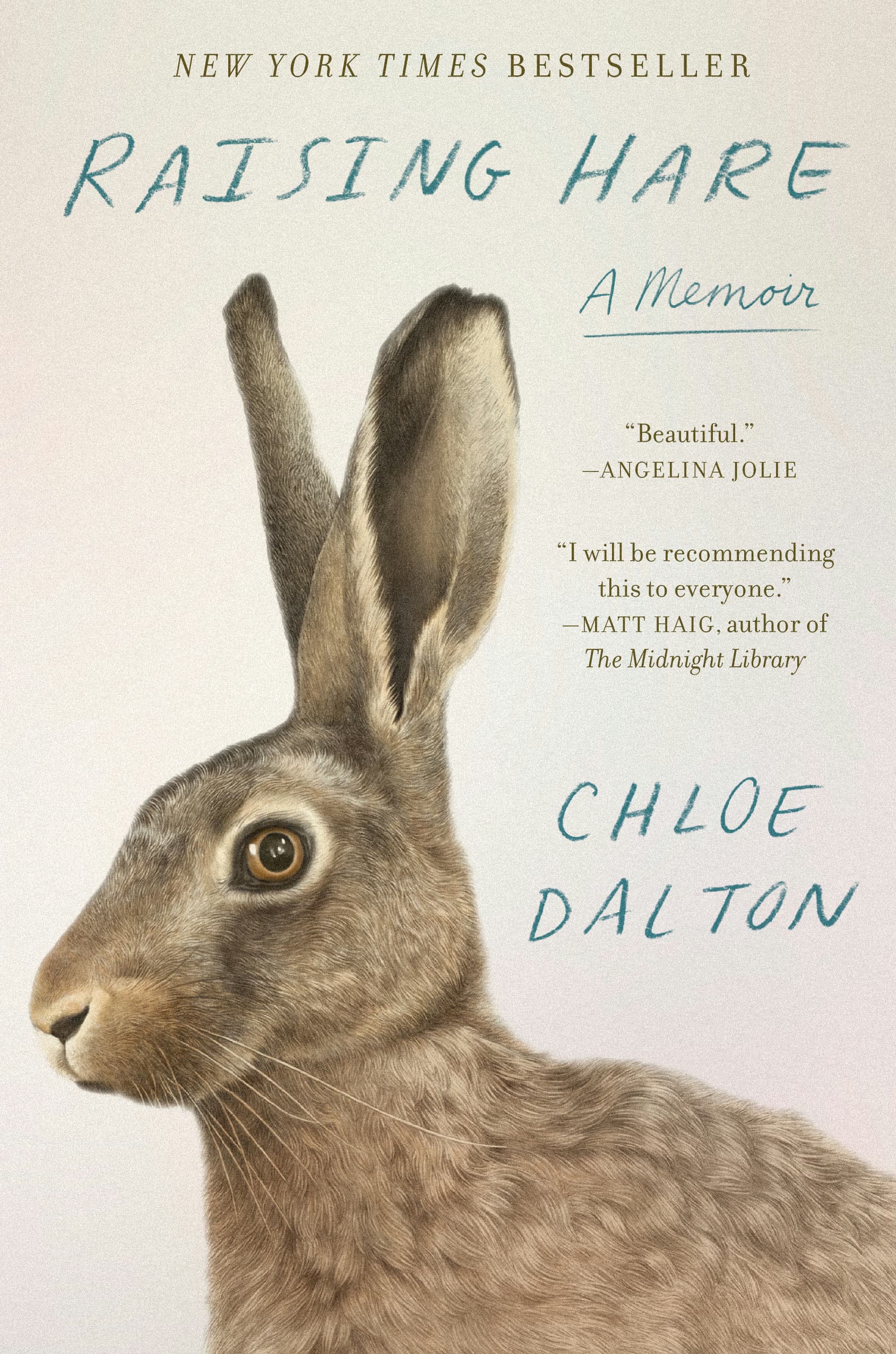
Prices can sometimes be lower on bigger marketplaces, but this link helps independent bookstores and local reading communities.
Quick Verdict
Raising Hare: A Memoir by Chloe Dalton is a genuinely moving non-fiction work that earns its place alongside classics like Ring of Bright Water and H is for Hawk—but only if you're willing to wade through substantial digressions about hare folklore and agricultural history. This is a book about profound human-animal connection that occasionally forgets to prioritize the connection over the context. The core narrative is undeniably compelling; the execution is where opinions sharply divide.
What It's About
During the COVID-19 lockdown, Chloe Dalton—a London-based political advisor and speechwriter—discovers an abandoned leveret (baby hare) on a footpath near her English countryside home. What begins as an act of mercy becomes a two-year journey of unexpected companionship. Rather than keeping the hare confined, Dalton makes the radical choice to let it roam free, trusting it will return. Miraculously, it does—night after night, for years, until the hare eventually gives birth to its own offspring in Dalton's study.
The memoir chronicles this extraordinary bond while weaving in extensive research about hare behavior, their representation in literature and art, and the ecological pressures facing these enigmatic creatures. It's part wildlife journal, part natural history essay, part meditation on freedom and trust.
Writing & Style: Where the Tension Emerges
This is where a Raising Hare review must confront the book's central paradox. Dalton's prose when describing her direct experiences with the hare is genuinely lyrical—intimate, observant, and emotionally resonant. She captures the mundane magic of daily life with a wild animal: the way the hare drums on her duvet, the tension of each departure into the fields, the wonder of witnessing new leverets.
However, the book frequently pivots into what readers describe as "info-dumpy" sections. Pages devoted to hares in medieval tapestries, Beatrix Potter references, and agricultural statistics interrupt the narrative momentum. For some readers, this contextual material enriches the story; for others, it feels like academic scaffolding that should have been edited more ruthlessly. The audiobook version, narrated with skill, somewhat mitigates this issue by making the transitions smoother.
What Works: The Heart of the Matter
When Chloe Dalton's Raising Hare stays focused on the lived experience, it's genuinely transcendent. The ethical framework underlying her approach—choosing freedom over control, accepting loss as the price of authentic connection—resonates deeply. This isn't a sentimental animal story; it's a philosophical meditation on what it means to love something wild.
Dalton's willingness to let the hare leave repeatedly, knowing each departure might be permanent, is the emotional core that makes this memoir matter. She refuses the easy narrative arc of domestication or tragic loss. Instead, she holds both possibilities simultaneously: the joy of connection and the necessity of freedom.
The book also serves a genuine conservation purpose. Hares lack legal protection in the UK and face declining populations due to agricultural intensification. By centering an individual hare's story, Dalton makes the abstract ecological crisis personal and urgent. The memoir won the prestigious Wainwright Prize for nature writing in 2025, a recognition that validates its significance within the nature writing canon.
The illustrations throughout are genuinely stunning and enhance the reading experience considerably.
What Doesn't Work: The Structural Stumble
The most legitimate criticism of this memoir concerns pacing and proportion. The hare's story could sustain a tighter, more focused narrative. The historical and literary digressions, while intellectually interesting, often feel tangential to the emotional core readers came for.
Additionally, some readers found Dalton's early decisions questionable—particularly regarding the hare's initial care and later management. While she clearly acted from compassion, her choices occasionally invite scrutiny. A more rigorous self-examination of these moments would have strengthened the memoir's credibility.
The book also risks alienating readers seeking straightforward wildlife narrative rather than philosophical meditation. If you want a clear arc of animal rescue and rehabilitation, you'll find this frustratingly ambiguous.
Raising Hare vs. Similar Memoirs
Comparisons to Ring of Bright Water by Gavin Maxwell and H is for Hawk by Helen Macdonald are inevitable and instructive. Maxwell's classic focuses on otters with romantic reverence; Macdonald's examines falconry through grief and psychology. Dalton's work sits somewhere between—less focused than Macdonald's singular obsession, more philosophically rigorous than Maxwell's nature romanticism.
Unlike My Family and Other Animals by Gerald Durrell, which emphasizes humor and adventure, Raising Hare maintains a more contemplative, sometimes melancholic tone. This makes it less universally accessible but more intellectually substantial.
Who Should Read This Book
Perfect for: Nature writing enthusiasts, readers interested in human-animal relationships, anyone questioning our relationship with the natural world, book club members seeking substantial discussion material, audiobook listeners who appreciate skilled narration.
Will likely disappoint: Readers seeking fast-paced narrative, those wanting straightforward animal rescue stories, people with low tolerance for historical/literary tangents, readers preferring lighter tone and humor.
The Verdict: Is Raising Hare Worth Reading?
Yes—but with caveats. This is a book that rewards patient, thoughtful reading. It's worth reading if you value literary quality, ecological awareness, and emotional authenticity over pure narrative momentum. The core story is genuinely remarkable and told with real craft.
The question isn't whether Raising Hare is "good"—it clearly is, with its 4.28-star rating and Wainwright Prize recognition testifying to its merit. The question is whether its particular blend of memoir, natural history, and philosophy matches your reading preferences. If you loved H is for Hawk or Ring of Bright Water, you'll almost certainly appreciate this. If you found those books frustratingly digressive, Raising Hare will test your patience similarly.
Ultimately, Chloe Dalton has created something rare: a nature memoir that doesn't sentimentalize its subject, that refuses easy answers about human-animal relationships, and that uses one extraordinary story to illuminate larger truths about freedom, loss, and our place in the natural world. The execution isn't flawless, but the vision is genuinely worthwhile.
Final Score: 8/10
A moving, intellectually substantial memoir that occasionally prioritizes context over connection, but ultimately succeeds in its ambitious meditation on freedom and trust.