Category:
Book ReviewsQueen of Lombard Street Review: Kleypas Returns Triumphant
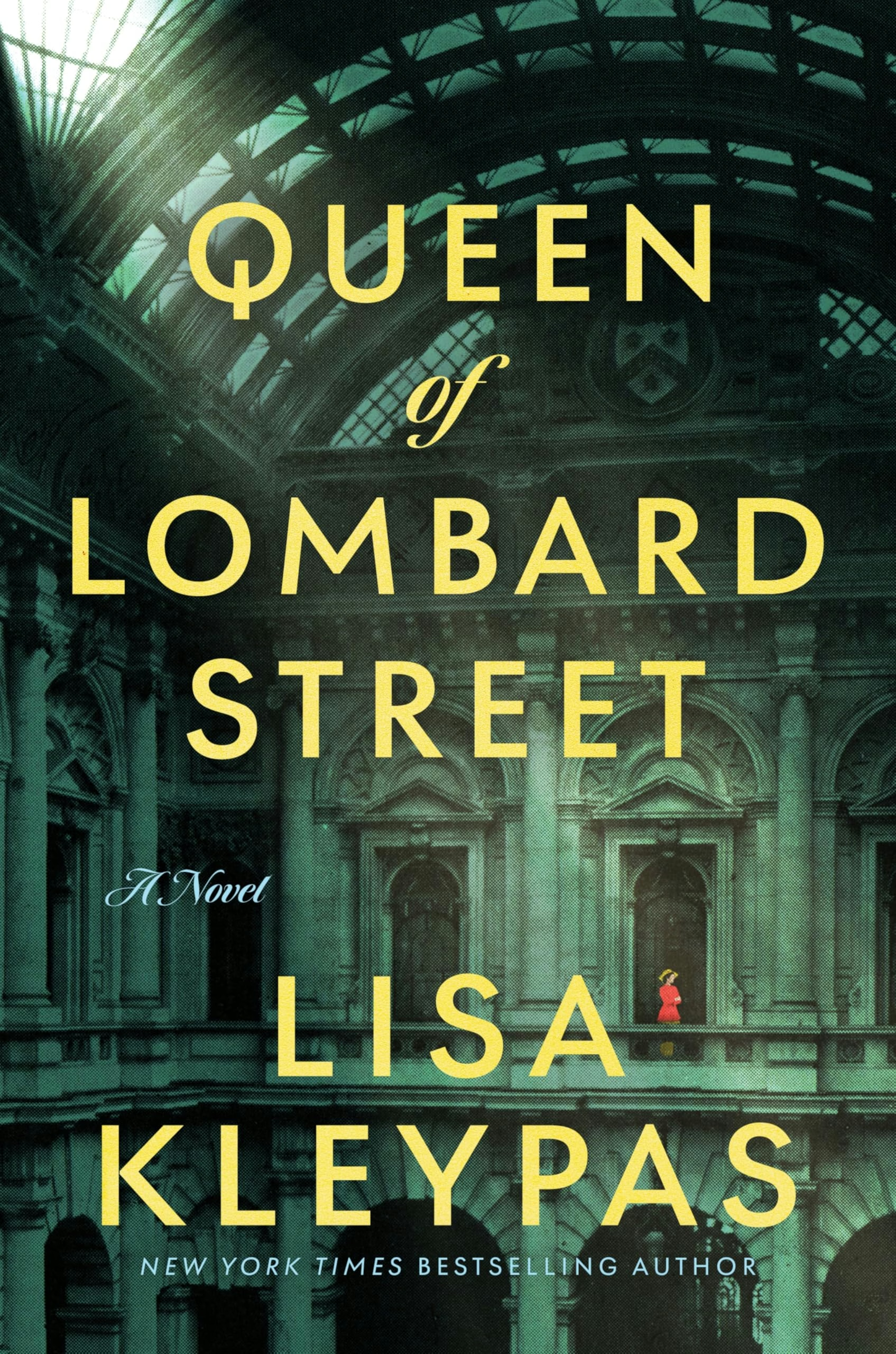
Prices can sometimes be lower on bigger marketplaces, but this link helps independent bookstores and local reading communities.
Lisa Kleypas is back, and she's brought something unexpectedly ambitious with Queen of Lombard Street—a Victorian-era historical romance that refuses to be just another love story. This novel pivots sharply from what many Kleypas devotees expect, centering not on a woman rescued by a hero, but on a self-made female economist determined to revolutionize British finance while navigating financial corruption, found family, and the inconvenient arrival of an undercover detective butler. The question isn't whether Kleypas can still write compelling romance—she clearly can—but whether readers are ready for a book that treats economic justice and social reform as seriously as it treats the central love story.
Quick Verdict
Queen of Lombard Street is a richly layered novel that justifies the five-year wait since Kleypas's last release. It's a book that works simultaneously as a historical mystery, a romance, and a social commentary on women's financial autonomy in Victorian England. This isn't a traditional Kleypas romance where the hero saves the day; instead, it's a story about a woman who saves herself and builds a community of misfits along the way. The real tension—and what makes this Queen of Lombard Street review worth your time—is that this novel demands more from readers than escapism. It asks them to care about historical injustice, economic systems, and redemption alongside the inevitable spark between Reina and John.
What It's About
Reina Martin, an illegitimate daughter of Spanish immigrant heritage and a brilliant economist, dreams of the impossible: opening Britain's first bank for women in an era when women can't even open their own bank accounts. Working with her powerful mentor, banker William Farlow, Reina begins building this revolutionary institution on Lombard Street—London's financial heartland—while maintaining an unconventional household staffed entirely by paroled prisoners who've become her found family.
The complication arrives when John Pembroke, her enigmatic and competent butler, reveals himself as an undercover police detective investigating Farlow for massive financial crimes. Suddenly, Reina must choose between loyalty to her mentor and protecting thousands of working-class families from economic catastrophe. The plot thickens when Pembroke needs her expertise for a high-stakes nighttime heist to obtain evidence against Farlow, forcing Reina into moral territory far murkier than anything in her carefully ordered financial world.
The genius of this setup is that it refuses easy answers. Reina isn't a pawn in John's investigation—she's a strategic player with her own agenda, knowledge, and moral compass. This distinction matters enormously for how the novel functions.
The Kleypas DNA: What Works
Let's be clear: Lisa Kleypas's Queen of Lombard Street contains all the hallmarks readers have come to expect and love. The romance between Reina and John follows a classic Kleypas trajectory—two intelligent people circling each other with wit and tension before inevitable surrender. John embodies the reluctant hero archetype: suspicious of love, guarded about his true identity, yet capable of fierce devotion once he commits.
But here's what elevates this beyond typical Kleypas romance: Reina never needs rescuing. She's already thriving, already independent, already wielding real power in her world. John becomes "icing," as one reader aptly described it, rather than the main course. This reframing transforms the entire dynamic. Their relationship doesn't solve her problems; it complicates them. She brings him into her world rather than joining his.
The found family elements deserve particular praise. Kleypas gives genuine interiority to the household staff—the paroled prisoners rebuilding their lives in Reina's employ. Characters like Maddock and June transcend mere supporting roles; their arcs carry emotional weight that mirrors the central romance. This ensemble approach creates a novel that feels expansive and generous, suggesting that redemption and belonging aren't luxuries reserved for the wealthy or well-born.
The writing itself demonstrates why Kleypas has maintained her devoted following. Her dialogue crackles with intelligence and subtext. Her pacing—alternating between intimate domestic scenes and high-stakes financial intrigue—never drags. The historical detail feels researched but never pedantic; Victorian England emerges as a character itself, complete with its absurd restrictions on female autonomy and its genuine economic vulnerabilities.
Where It Diverges: The Risk and the Reward
Here's the crucial insight for anyone considering a Queen of Lombard Street review: this novel is less romance-focused and more mystery-based than Kleypas's previous work. Some readers will find this refreshing. Others will feel slightly cheated.
The financial plotting is genuinely complex. Kleypas doesn't dumb down the economics; she trusts readers to follow discussions of banking systems, fraud schemes, and wealth management. This intellectual engagement elevates the stakes beyond "will they fall in love?" to "can Reina navigate impossible choices?" The plot twists—multiple readers mentioned being genuinely shocked—arrive with genuine force because the setup has been meticulously constructed.
Yet this same ambition creates occasional friction. The balance between romance, mystery, and social commentary sometimes feels precarious. Readers primarily seeking a sweeping love story might find themselves frustrated by chapters devoted to financial investigation or household dynamics. The romance, while passionate and beautifully written, doesn't consume the narrative the way it does in Kleypas's earlier works. This is intentional—it's a feature, not a bug—but it's worth acknowledging.
Historical Context and Real-World Resonance
One reason Queen of Lombard Street feels urgent rather than merely nostalgic is its grounding in real history. The novel draws inspiration from actual trailblazers: Mary Paley Marshall, Britain's first female economist, and Hetty Green, the legendary financial titan who accumulated unprecedented wealth through shrewd investing. These women existed, fought systems designed to exclude them, and created possibilities for those who came after.
Reina's struggle to establish a women's bank echoes genuine historical efforts. The financial restrictions placed on women in Victorian England weren't quaint inconveniences—they were deliberate mechanisms of control that prevented wealth accumulation and ensured economic dependency. By grounding her fictional narrative in this reality, Kleypas transforms the novel from period escapism into a conversation about systemic injustice with contemporary relevance. Women today might have bank accounts, but economic inequality, wage gaps, and financial literacy disparities persist. This historical parallel isn't heavy-handed, but it resonates.
The Prose and Pacing
Kleypas's prose style remains accessible without sacrificing sophistication. She writes dialogue that reveals character while advancing plot. Her descriptions of Victorian London—the fog, the social hierarchies, the mechanical rhythms of financial markets—create atmosphere without overwhelming narrative momentum.
The pacing deserves specific mention. A novel juggling romance, mystery, social reform, and ensemble character development could easily become unwieldy. Instead, Kleypas maintains forward momentum through careful scene sequencing. Intimate moments between Reina and John provide breathing room between investigative sequences. Household scenes ground the reader in emotional stakes before plot complications escalate. This structural control demonstrates why Kleypas has sustained a career across multiple decades.
Who Should Read This
Perfect for: Readers who appreciate historical fiction with romantic elements but don't require romance to be the dominant plot thread. Those who enjoy intelligent heroines who solve their own problems. Fans of complex, morally gray scenarios where right choices aren't obvious. Readers interested in women's economic history and financial systems. Anyone who loved Kleypas's earlier work and craves something that feels both familiar and evolved.
Approach with caution: Readers seeking a traditional romance where the hero rescues the heroine. Those who find financial plotting tedious rather than engaging. Readers who prefer lighter historical fiction without serious thematic weight. Anyone frustrated by ensemble casts or found family narratives. Those expecting the same ratio of romance to plot as in Kleypas's backlist.
The critical distinction: Queen of Lombard Street is a historical novel with romance, not a romance novel with history. This matters for setting expectations.
The Verdict
Is Queen of Lombard Street worth reading? Absolutely, particularly if you're willing to meet it on its own terms rather than expecting a traditional Kleypas romance. The novel represents an author willing to take risks, to complicate her established formula, and to tackle substantial themes alongside intimate character work.
The five-year gap since Kleypas's previous release makes this return feel significant. She hasn't simply repeated past successes; she's evolved. Reina Martin stands as one of her most compelling heroines precisely because she doesn't need John Pembroke to become who she already is. Their romance gains power from this equality.
There are minor imperfections—occasionally the multiple plot threads compete for attention, and some readers may find the mystery elements overshadow romantic development. But these aren't flaws so much as deliberate choices that reflect the novel's ambition.
Queen of Lombard Street review sites will likely divide along predictable lines: those who embrace the novel's evolution will praise it enthusiastically, while those seeking traditional romance might feel disappointed. Both reactions are valid. The real question is which reader you are.
Final Score: 8.5/10
A richly ambitious novel that justifies the wait with intelligent writing, compelling characters, and the courage to evolve beyond established formulas.