Category:
Book ReviewsPracticing the Way Review: A Spiritual Formation Blueprint
Prices can sometimes be lower on bigger marketplaces, but this link helps independent bookstores and local reading communities.
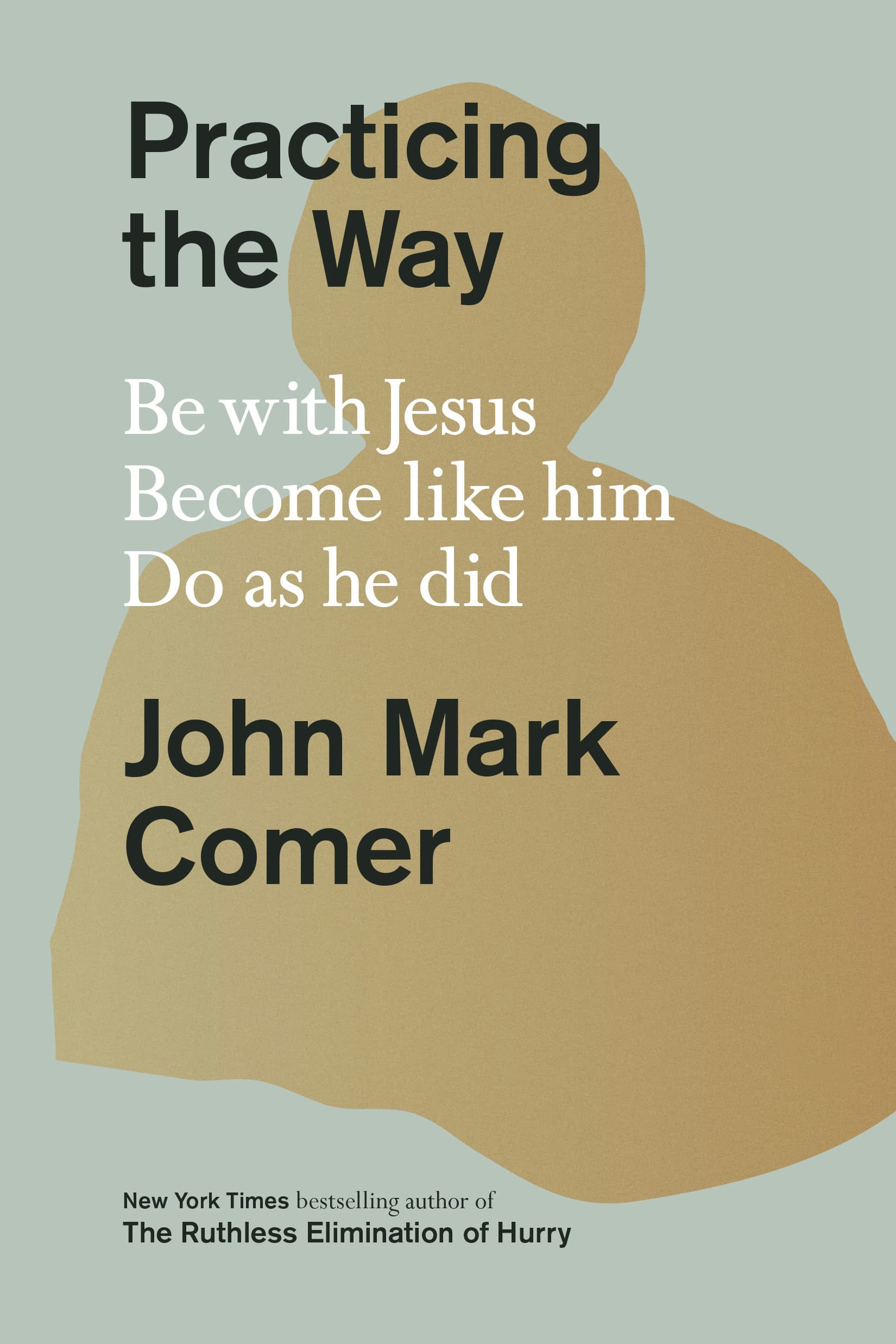
John Mark Comer's Practicing the Way: Be with Jesus, Become Like Him, Do As He Did tackles a problem that has quietly plagued modern Christianity for decades—we've created spiritual adolescents instead of mature disciples. This isn't a self-help book masquerading as theology, nor is it another trendy faith guide destined for the clearance bin. Instead, Comer delivers something genuinely rare: a theologically substantive yet practically actionable roadmap for spiritual formation that actually works in real life.
The book's central thesis is deceptively simple but profoundly challenging: being Christian isn't primarily about what you believe or which church you attend—it's about who you're becoming. Comer argues that we're all being formed by something, shaped by the rhythms and values of the world around us. The question isn't whether we're changing; it's whether we're changing into the likeness of Jesus or into something else entirely.
What This Book Actually Does
Practicing the Way operates on three interconnected levels. First, it provides historical grounding by tracing how early Christian disciples understood discipleship as a total life commitment, not a Sunday morning activity. Comer pulls heavily from Dallas Willard's framework of spiritual formation while making it accessible to readers unfamiliar with academic theology.
Second, it diagnoses the modern problem with surgical precision. We live in an age of unprecedented distraction and hurry—themes Comer explored in his previous bestseller The Ruthless Elimination of Hurry. But this book goes further, explaining how constant stimulation and fragmented attention literally prevent the kind of deep transformation Jesus offered his followers.
Third, and most importantly, it provides a practical solution: the "Rule of Life." This isn't a monastic relic but a personalized framework of practices and relational rhythms designed to create space for God's transformative work. Comer offers concrete examples of how to build this into your actual life, not some idealized version of it.
The Strength: Synthesis Without Repetition
If you've read Comer's previous work, you'll notice Practicing the Way draws on themes from Live No Lies and The Ruthless Elimination of Hurry. Yet it doesn't feel redundant—instead, it functions as a sophisticated compilation that brings his best insights into one coherent framework. This is a book that rewards having read his earlier work while remaining accessible to newcomers.
The theological substance is genuinely impressive. Comer synthesizes Dallas Willard, Richard Foster, Eugene Peterson, and contemporary neuroscience without ever feeling academic or inaccessible. He makes the ancient practice of spiritual formation feel urgent and relevant to 2024.
The practical resources at the end—templates for building your own Rule of Life, community discussion guides, and implementation strategies—aren't afterthoughts. They're worth the price of the book alone. This is the rare Christian book that respects your time enough to give you actual tools rather than just inspiration.
Where It Stumbles
For all its strengths, Practicing the Way has genuine limitations that deserve honest acknowledgment.
First, the narrative voice occasionally feels sparse. Comer's strength is pulling from multiple sources and synthesizing them brilliantly, but sometimes the prose itself lacks the lyrical quality or personal vulnerability that makes books truly memorable. You're getting a master class, not a memoir.
Second, and this is a real tension in reader response: the book argues persuasively that spiritual formation isn't formulaic, yet the conclusion sometimes reads like it's offering exactly that. There's a subtle contradiction between the book's insistence on individualized Rules of Life and how prescriptively it lays out what those should look like. Readers sensitive to this tension will notice it.
Third, the book's modern sensibility—while generally an asset—occasionally feels forced. Some readers will find the contemporary cultural references dated within five years. The book is written for a specific demographic (educated, Western, likely evangelical or post-evangelical) and doesn't always account for how these concepts translate across different Christian traditions or global contexts.
Who Should Actually Read This
This book is essential for:
- Church leaders and pastors wrestling with how to move their congregations from intellectual assent to actual transformation. This is the single best resource for thinking through discipleship at scale.
- Spiritual seekers new to Christianity or exploring deeper faith commitments. The subtitle literally answers what being a disciple means.
- Burnt-out Christians who've been performing faith rather than living it. Comer diagnoses the exhaustion and offers genuine rest.
- Anyone serious about personal transformation who wants a framework grounded in 2,000 years of Christian practice rather than pop psychology.
This book will not resonate with:
- Readers seeking emotional catharsis or personal memoir. This is structural theology, not storytelling.
- Those looking for quick spiritual hacks. Comer explicitly rejects the notion that transformation is fast or easy.
- Readers uncomfortable with Christian theology or who need a more pluralistic approach to spirituality.
- Those who've already deeply studied Dallas Willard or contemporary spiritual formation literature—you'll recognize most of the framework.
Comparing to Similar Works
If you're trying to decide between this and similar books: Practicing the Way is more comprehensive than Richard Foster's Celebration of Discipline (which focuses primarily on spiritual disciplines rather than discipleship as a whole), yet more accessible than Dallas Willard's The Divine Conspiracy (which is denser philosophically). It's the Goldilocks option—substantial enough for serious seekers, approachable enough for beginners.
Unlike the self-help Christianity market, this book refuses to promise rapid transformation or minimize the cost of discipleship. That's refreshing and occasionally sobering.
The Real Question: Is It Worth Reading?
Yes, with the important caveat that "worth reading" depends on what you're seeking. If you want inspiration or motivation, there are easier books. If you want a genuinely thoughtful framework for understanding how spiritual transformation actually works—grounded in theology, informed by neuroscience, tested in real community, and offering practical implementation—Practicing the Way is among the best available.
The 4.48/5 rating across thousands of readers isn't accidental. This book delivers exactly what it promises: a serious, substantive introduction to spiritual formation that doesn't insult your intelligence or waste your time. In an era of spiritual consumerism and quick-fix Christianity, that's increasingly rare.
The slight tension between readers who find it life-changing and those who find it slightly too modern or prescriptive reflects the book's genuine attempt to bridge ancient wisdom and contemporary life. That's a harder task than it appears, and Comer largely succeeds.
Final Verdict
Practicing the Way is a book that will shape how you understand Christian discipleship, whether you're a longtime believer or exploring faith for the first time. It won't be the most entertaining book you read this year, but it might be the most transformative. The real test isn't whether you'll enjoy reading it—it's whether you'll actually practice what it teaches.