Category:
Book ReviewsPoverty, by America Review: Provocative
Prices can sometimes be lower on bigger marketplaces, but this link helps independent bookstores and local reading communities.
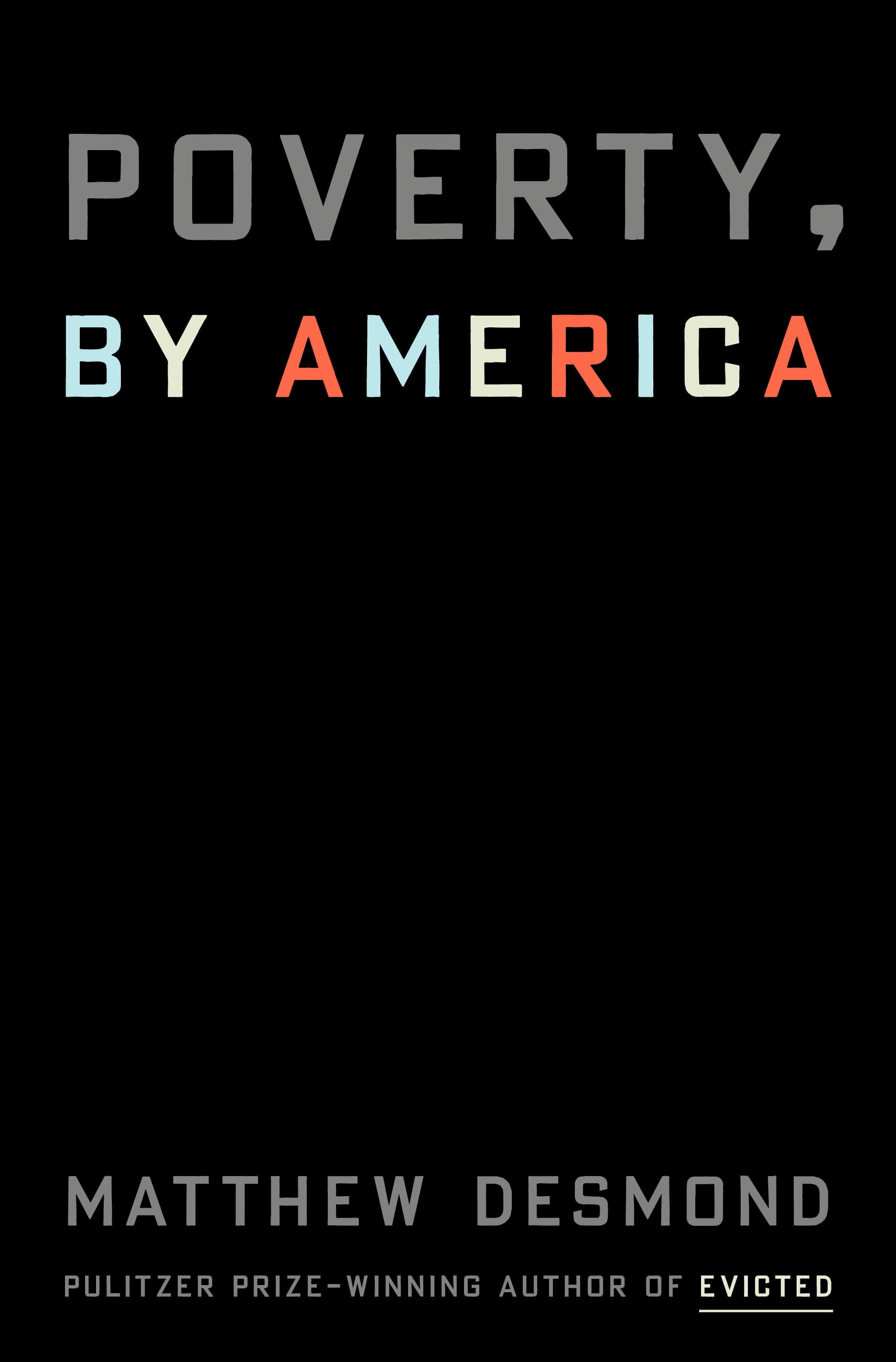
Matthew Desmond's Poverty, by America is a deliberately provocative work that abandons the narrative storytelling of his Pulitzer Prize-winning Evicted in favor of a full-throated manifesto against American economic inequality. This is not a book that whispers—it shouts. Desmond's central thesis is both simple and inflammatory: poverty persists in the wealthiest nation on earth not by accident, but by design, because the affluent benefit from it. Whether you find this argument revelatory or frustratingly obvious will largely determine whether this book transforms your worldview or leaves you frustrated.
What This Book Actually Is
Let's be clear from the start: Poverty, by America is not another narrative exploration of working-class struggle. If you picked up Evicted expecting intimate portraits of evicted families, you'll need to reset your expectations entirely. Desmond has written something more ideological here—a research-backed polemic that systematically dismantles the myth that American poverty is an unfortunate byproduct of free markets and individual misfortune.
Instead, Desmond argues that wealthy Americans actively engineer poverty through deliberate policy choices: suppressing wages, inflating housing costs, extracting wealth through predatory lending, and funneling public resources toward the already-rich while starving anti-poverty programs. The book reads as equal parts economic analysis, historical accounting, and moral indictment.
The Intellectual Architecture
Desmond's argument rests on a deceptively straightforward framework: if you benefit from a system, you have incentive to maintain it. The American welfare state, he contends, is precisely inverted—it gives most generously to those who need it least through tax breaks, homeownership subsidies, and corporate welfare, while providing bare-minimum assistance to the poor. This isn't conspiracy thinking; it's documented policy.
The book's strongest sections arrive in the second half, where Desmond shifts from diagnosis to moral reckoning. He catalogs specific mechanisms of wealth extraction: how payday lenders and check-cashing services disproportionately target low-income neighborhoods, how zoning laws concentrate poverty in specific geographic zones, how wage suppression has become normalized across industries. These passages crackle with intellectual fury and precision.
His historical perspective is valuable too. Desmond traces contemporary poverty not to individual failings but to deliberate policy decisions—from housing discrimination to the deliberate defunding of public services. This contextual depth distinguishes Poverty, by America from armchair economics.
Where the Book Struggles
Here's where a Poverty, by America review must acknowledge real limitations: the first half is repetitive. Desmond spends roughly 150 pages making essentially the same argument in different registers—that affluent Americans benefit from poverty and therefore have moral obligation to dismantle it. The rhetorical sledgehammer works, but it's blunt. Readers seeking the narrative propulsion and granular detail of Evicted will find this section exhausting.
More problematically, Desmond's manifesto rests on an assumption that may not survive contact with reality: that people broadly share his values and care deeply about collective welfare. His calls for "poverty abolition" and "a politics of collective belonging" assume a moral consensus that contemporary America demonstrably lacks. The book doesn't adequately grapple with why, if the solutions are so obvious, they haven't been implemented. Is it purely selfishness? Ignorance? Or are there genuine value disagreements about the role of government and individual responsibility?
The book also occasionally conflates correlation with causation. Desmond shows that wealthy people benefit from poverty but doesn't always prove they deliberately maintain it. There's a difference between a system that happens to advantage the rich and a conspiracy to keep the poor poor—a distinction the book sometimes blurs.
Desmond vs. Similar Works
If you've read The Sum of Other Suns or The Sum of Small Things, you'll recognize Desmond working in similar territory—examining how structural forces, not individual choices, determine life outcomes. But where those books offer historical narrative or cultural analysis, Poverty, by America is more explicitly argumentative.
Compare it to Evicted, and the difference is stark. That book embedded readers in the lives of Milwaukee tenants facing eviction; you felt their precarity. Poverty, by America steps back to analyze systems. Both approaches have merit; they're simply different projects. Evicted made you care; Poverty, by America makes you think—or, if you're predisposed to disagree, makes you argue back.
The Manifesto Problem
One reader's "fierce manifesto" is another reader's "well-researched rant." This book's reception has been sharply divided precisely because Desmond abandons the novelist's neutrality. He's not presenting poverty for your interpretation; he's prosecuting a case. That's intellectually honest, but it limits the book's persuasiveness with skeptics.
Desmond's solutions—wealth redistribution, higher wages, affordable housing guarantees—are politically contentious. The book doesn't seriously engage with counterarguments or acknowledge trade-offs. What happens to economic growth if we dramatically raise wages? How do we fund universal housing without massive tax increases? These questions deserve more than moral exhortation.
Who Should Read This
Read this if: You're already sympathetic to progressive economics and want ammunition for your arguments. You're interested in how policy decisions have concentrated wealth and poverty. You want to understand the systemic mechanisms that keep people poor, not just individual stories about poverty. You appreciate moral clarity in nonfiction, even when it's polemical.
Skip this if: You found Evicted powerful and expect similar narrative depth. You're skeptical of big-picture arguments and prefer granular detail. You want a balanced examination of poverty that seriously engages with conservative counterarguments. You're tired of nonfiction that reads like extended opinion pieces.
The Verdict
Poverty, by America is a necessary provocation dressed as rigorous analysis. Desmond's core insight—that American poverty is maintained by policy choices that benefit the affluent—is important and well-documented. The book excels when it's specific: detailing predatory lending practices, housing discrimination, wage suppression. It falters when it assumes moral consensus or retreats into repetitive moral argument.
Is Poverty, by America worth reading? Yes, with caveats. It's not a masterpiece of social analysis, and it's not the follow-up to Evicted that many hoped for. But it's a genuinely important book that challenges comfortable assumptions about poverty's causes. Even readers who reject Desmond's solutions will find his documentation of how the wealthy benefit from poverty difficult to dismiss.
The book's real value isn't in its manifesto—it's in its refusal to let readers remain comfortable with the status quo. Whether that discomfort leads to changed minds or defensive arguments probably depends on where you started.
Final Score
7.5/10 — Intellectually rigorous and morally urgent, but repetitive and occasionally oversimplified in its assumptions about human nature and political possibility.