Category:
BiographyPatriot: A Memoir Review: Courage That Demands Reckoning
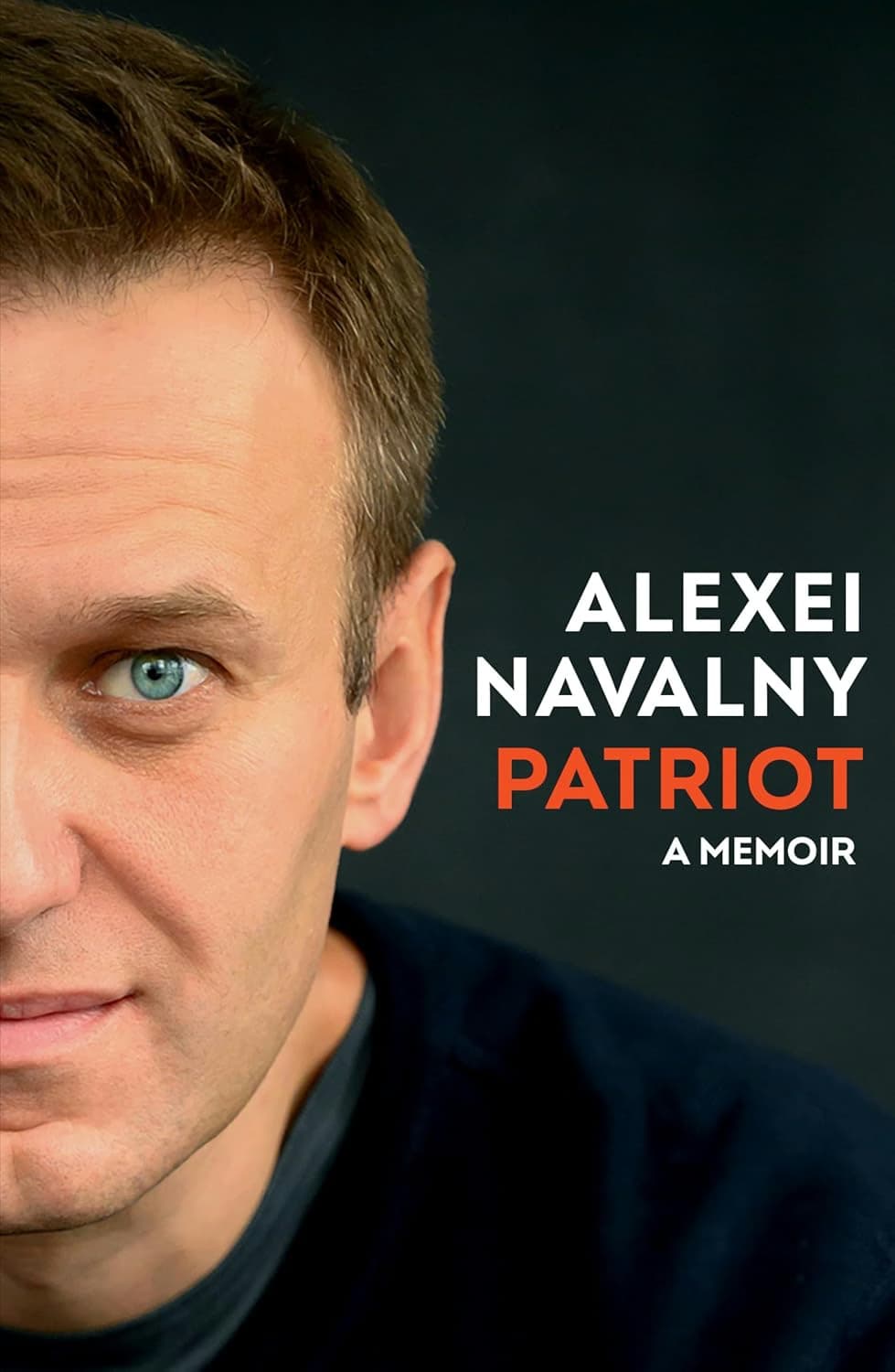
Prices can sometimes be lower on bigger marketplaces, but this link helps independent bookstores and local reading communities.
Quick Verdict
Patriot: A Memoir by Alexei Navalny is a galvanizing, unflinching account of political resistance that reads less like a traditional memoir and more like a final testament. This is essential reading for anyone seeking to understand modern authoritarianism, though it's also a book that will divide readers sharply along ideological lines. Navalny's writing carries the same wit and defiance that defined his public life, making this far more than a dry political biography.
What You're Actually Reading
This isn't a behind-the-scenes political thriller, though it contains plenty of dramatic moments. Navalny's Patriot: A Memoir is structured as both personal history and manifesto—beginning with his Soviet childhood and political awakening, then moving through his anti-corruption campaigns, multiple poisoning attempts, and ultimately his imprisonment in Russia's most brutal penal system. The book culminates with never-before-published prison diaries that capture his final years.
What makes this memoir distinctive is its scope. Navalny doesn't just recount events; he contextualizes them within Russia's broader political trajectory and his own evolving understanding of what resistance means. The near-fatal poisoning in 2020 serves as the book's emotional anchor—the moment that transformed him from a domestic political figure into an international symbol of defiance against dictatorship.
The Writing: Sharp, Intimate, Occasionally Darkly Funny
Navalny writes with the clarity of someone who knows he may not get another chance to speak. There's no self-pitying melodrama here, which is precisely what makes the suffering he describes so devastating. He employs humor strategically—sometimes to defuse tension, sometimes to expose the absurdity of authoritarian control. Readers have noted laughing aloud at moments that, on reflection, are deeply tragic.
The prose is direct and conversational, translated into English in a way that preserves Navalny's voice rather than smoothing it into institutional blandness. This directness means the book moves quickly; you're not wading through philosophical tangents or self-justification. He trusts readers to draw their own conclusions.
The inclusion of prison correspondence adds authenticity that a traditional narrative structure couldn't achieve. These fragments feel immediate and unfiltered, offering glimpses of his mental state during confinement that no retrospective account could replicate.
What Works Powerfully
The memoir excels at humanizing a figure many know only through headlines. Navalny writes movingly about his marriage, his children, and the personal cost of his choices. This isn't strategic vulnerability—it's necessary context for understanding why he returned to Russia after his poisoning, knowing arrest was inevitable.
His account of the poisoning itself is gripping. The physical sensations, the uncertainty about what was happening to his body, the geopolitical implications unfolding while he fought for consciousness—it reads with the immediacy of lived trauma rather than historical reconstruction.
The book also succeeds as political analysis. Navalny's explanation of how corruption functions within Russian governance, and why he believed fighting it mattered more than pursuing traditional opposition politics, provides genuine insight into the mechanics of authoritarian systems. This isn't abstract theory; it's grounded in specific examples and personal experience.
Perhaps most importantly, Patriot: A Memoir functions as a call to action. The final sections, written from prison, aren't despairing. They're galvanizing. Navalny argues that individual commitment to freedom and justice isn't naive—it's the only force that ultimately defeats dictatorship. Whether you find this convincing or not, it's powerfully articulated.
Where Readers Sharply Divide
This review must acknowledge a fundamental tension: readers approach this book with radically different interpretive frameworks. Some view Navalny as a martyr to authoritarianism; others see him as an imperialist who would have replicated Putin's methods with greater sophistication. Some criticize specific statements he made—including controversial rhetoric about ethnic minorities in earlier interviews—as disqualifying.
These aren't minor disagreements. They reflect genuine disputes about Navalny's political legacy and whether his opposition to Putin was rooted in principled opposition to authoritarianism or in competing visions of Russian power. A Patriot: A Memoir review that ignores this tension would be dishonest.
The book itself doesn't adequately address these criticisms. Navalny doesn't reckon with controversial statements he made years earlier, nor does he engage seriously with critiques from the left that his political vision remained nationalist. This omission is notable—and for some readers, disqualifying.
The Translation and Historical Context Issue
One substantive criticism deserves attention: the transliteration choices in the English edition reflect Russian conventions rather than Ukrainian preferences (Kyiv vs. Kiev, Chornobyl vs. Chernobyl). Given the book's themes of resistance to imperialism, this seems like a missed opportunity to honor Ukrainian sovereignty in even this small way. It's a detail, but details matter when discussing authoritarianism.
Who Should Read This
Read Patriot if you: Want to understand modern Russian politics from someone at the center of resistance movements. Are interested in how individuals maintain moral conviction under extreme duress. Seek firsthand accounts of poisoning, imprisonment, and political persecution. Value memoir as a form of historical testimony.
Approach with caution if you: Are looking for an unambiguous hero narrative. Expect the author to address all criticisms of his earlier positions. Want a balanced assessment of Russian opposition politics. Prefer memoir that prioritizes personal reflection over political argument.
How It Compares
Unlike A Man in Love (Knausgård's intimate domestic focus) or Educated (Tara Westover's journey from isolation to enlightenment), Navalny's memoir refuses the comfort of personal narrative as primary. The personal details serve the political argument, not the reverse. It's closer in ambition to works like The Gulag Archipelago, though far more immediate and less historically comprehensive.
The closest comparison might be to other political memoirs from figures who faced state violence—but few were written from active imprisonment, and fewer still maintain such defiant tone while describing genuine suffering.
Final Verdict: 8/10
Patriot: A Memoir is a significant historical document and a morally serious book that earns its emotional weight through specificity rather than rhetoric. It's essential reading for understanding 21st-century authoritarianism and political resistance, though readers should approach it aware of ongoing debates about Navalny's broader political vision. The writing is accomplished, the stakes are real, and the voice is unmistakably authentic. This is a book that will outlast current political cycles because it grapples with enduring questions about freedom, sacrifice, and individual moral agency. Whether you ultimately agree with Navalny's conclusions, his argument deserves engagement.