Category:
Book ReviewsNord Stream Conspiracy Review: Thrilling but Unfocused
Prices can sometimes be lower on bigger marketplaces, but this link helps independent bookstores and local reading communities.
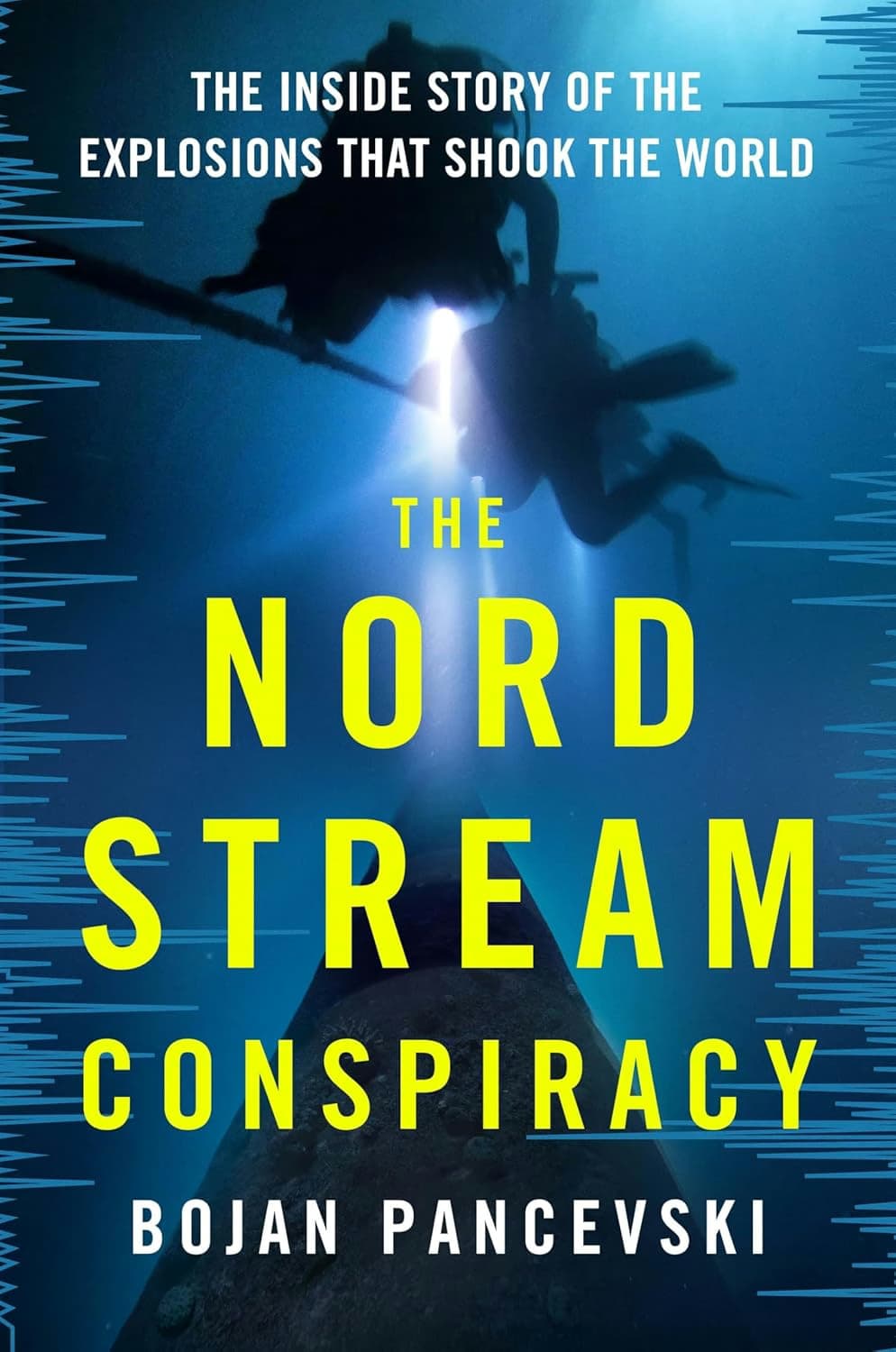
Bojan Pancevski's The Nord Stream Conspiracy: The Inside Story of the Explosions That Shook the World is a fascinating geopolitical thriller that tackles one of modern history's most audacious acts of sabotage. The Wall Street Journal correspondent delivers unprecedented access to Ukrainian intelligence operatives, German investigators, and the covert team that allegedly destroyed the $20 billion pipeline system in September 2022. Yet despite extraordinary source material and a genuinely compelling narrative, this book suffers from narrative bloat that undermines its potential to be truly great.
What Actually Happened
For those unfamiliar with the incident, the Nord Stream pipeline sabotage remains one of the largest acts of sabotage in modern history. In late September 2022, powerful underwater explosions destroyed the natural gas infrastructure connecting Russia to Germany through the Baltic Sea. The incident triggered seismic alerts, disrupted European energy markets, and sparked international finger-pointing between the United States, Russia, and Ukraine. Pancevski's investigation reveals the operation was authorized at Ukraine's highest levels and executed by a seven-member crew aboard a rented yacht operating under extreme conditions.
The Book's Greatest Strength: Raw Access
Pancevski's primary advantage is his journalism credentials and the doors they opened. This Nord Stream Conspiracy review must acknowledge that few writers could have secured interviews with German prosecutors, Ukrainian intelligence officials, and the actual operatives involved in the mission. That level of access is genuinely rare in contemporary geopolitical non-fiction. The author captures intimate details about the planners, the divers, the equipment, and the agonizing decision-making that preceded the strike. These human elements—the moral conflicts, the operational constraints, the personal stakes—elevate this beyond typical spy-thriller fare.
The book also contextualizes the sabotage within the broader Ukraine-Russia conflict and NATO's internal tensions. Pancevski explains how conspiracy theories developed, why the CIA theory gained traction despite their prior knowledge of the plot, and how different nations interpreted the same evidence through their own geopolitical lenses. This analytical framework prevents the narrative from becoming merely sensational.
Where the Narrative Breaks Down
Here's where The Nord Stream Conspiracy review gets critical: Pancevski's book suffers from a fundamental structural problem. The author has so much material that he seems unable to prioritize what matters most. Characters appear under pseudonyms tied to their roles—"the explosives expert," "the commander," "the diver"—yet some vanish after brief appearances. One operative who handled critical explosive preparations receives a pseudonym but appears in only two subsequent references. This creates a chaotic reading experience where you're constantly reorienting yourself rather than following a propulsive narrative.
The 521-page e-book format (320 pages in hardback) feels bloated. Readers report finishing the book quickly but wishing they could have done so sooner while maintaining satisfaction. The author's tendency to over-explain character backgrounds and motivations slows momentum at crucial moments. Compare this to le Carré's The Spy Who Came in from the Cold or Woodward's Fear, which maintain narrative tension despite similar complexity. Pancevski's approach feels more like investigative sprawl than crafted storytelling.
The Under-Explanation Problem
Paradoxically, while the book over-explains some elements, it under-explains others. Readers need to tolerate significant gaps in exposition. The technical details of the underwater operation sometimes lack clarity. The decision-making processes of various actors aren't always fully transparent. You finish certain chapters with lingering questions that the author doesn't adequately address. This inconsistency in explanation creates frustration—not the good kind that keeps you guessing, but the annoying kind that makes you wonder if the author simply ran out of space or clarity.
Writing Style and Pacing
Pancevski's prose is competent but rarely elegant. He prioritizes information delivery over literary finesse, which is appropriate for investigative journalism but occasionally makes passages feel dense and mechanical. The opening line—"They failed to find fitting frogmen"—demonstrates his willingness to embrace unusual syntax, yet this stylistic boldness doesn't extend throughout. The pacing stutters between rapid-fire revelations and prolonged character sketches that don't always justify their length.
Who Should Actually Read This
This book is essential for readers genuinely interested in contemporary geopolitics, intelligence operations, and the Ukraine conflict. If you're fascinated by the intersection of espionage, international relations, and modern warfare, Pancevski's reporting is invaluable. The book works well for those with patience for complex narratives and tolerance for incomplete explanations. However, if you prefer tightly plotted narratives with clear protagonists and antagonists, this will frustrate you. Readers seeking spy fiction thrills rather than investigative journalism rigor should look elsewhere.
The Verdict on Worth Reading
Is The Nord Stream Conspiracy worth reading? Yes, with caveats. The source material is genuinely remarkable, and Pancevski's access justifies publication. You'll learn things about the sabotage that exist nowhere else. But you'll also wade through narrative choices that prioritize comprehensiveness over elegance. This is a book for committed readers, not casual browsers. It's the kind of non-fiction that rewards dedication while occasionally testing your patience.
Comparison to Similar Works
If you've read The Spy and the Traitor by John le Carré, you know how investigative espionage narratives can crackle with tension. Pancevski's work has similar ambitions but less narrative discipline. Compared to recent geopolitical thrillers like The Wager by David Mametsch, The Nord Stream Conspiracy review reveals a book that prioritizes information over storytelling. It's more Woodward than le Carré—solid journalism over literary craft.
Final Assessment
Bojan Pancevski's The Nord Stream Conspiracy delivers unprecedented reporting on a genuinely significant historical event. The access alone makes it noteworthy. Yet the execution falters under the weight of its own material. With stricter editing and more focused narrative choices, this could have been extraordinary. Instead, it's very good—important, informative, and occasionally compelling—but held back by structural issues that prevent it from reaching its full potential. The book earns its place on your shelf, but perhaps not your immediate reading list.