Category:
Book ReviewsMiss Wolcott's Ghost Review: Penny's Return to Form
Prices can sometimes be lower on bigger marketplaces, but this link helps independent bookstores and local reading communities.
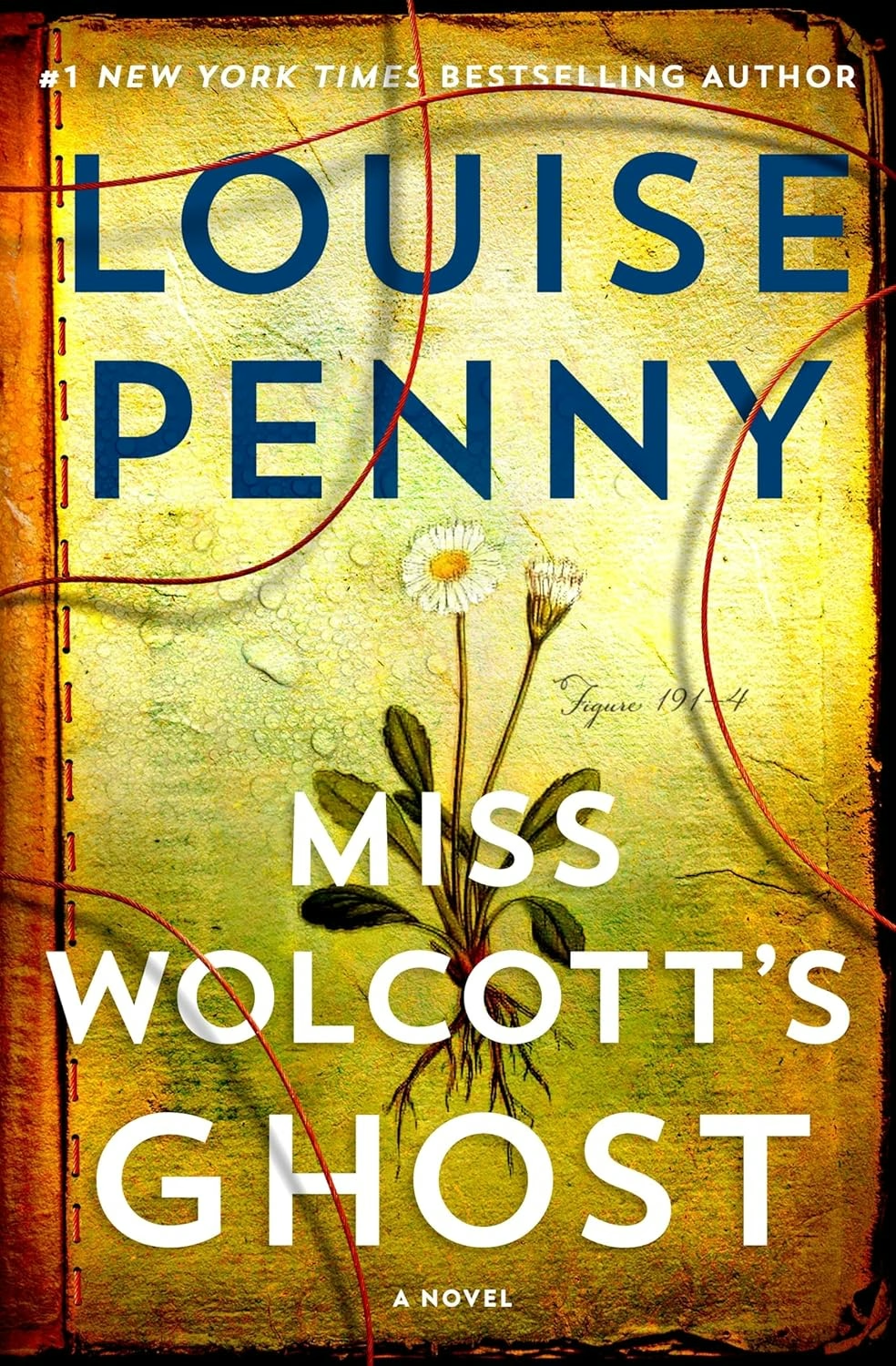
Louise Penny's Miss Wolcott's Ghost marks a triumphant return to the form that made her one of crime fiction's most celebrated voices. After a stretch of uneven entries in the Armand Gamache series, this 21st installment recaptures the narrative magic that first captivated readers with Still Life—combining a meticulously layered mystery with the emotional depth and philosophical richness that define Penny's best work. The verdict is clear: this is essential reading for mystery fans who've been waiting for Penny to remind us why she matters.
What It's About
Armand Gamache receives a panicked phone call in the dead of night: "There's a body in Lost Nation." Before he can respond, the line goes dead. What follows is a descent into a genuinely strange mystery that unfolds across centuries, geographies, and disciplines.
When Gamache and his team locate the eponymous Lost Nation, they discover a corpse lying atop an unmarked grave—but here's where Miss Wolcott's Ghost diverges from standard procedural territory. The body appears impossibly old, dating back over a century. Growing through the skeleton is a plant thought to be extinct for decades. The investigation spirals outward to encompass a Victorian botanist, a catastrophic maritime disaster that rivals the Titanic in scope but has been erased from public memory, lost documents, and connections to Gamache's neighbor Clara Morrow.
Throughout the investigation, Gamache must also navigate a fraught alliance with a disgraced former protégé, a relationship that becomes the emotional core of the narrative. The mystery isn't simply about identifying a corpse—it's about understanding how the past refuses to stay buried.
The Architecture of Mystery
What distinguishes Miss Wolcott's Ghost from contemporary crime fiction is Penny's refusal to rely on plot mechanics alone. The novel's central mystery unfolds almost exclusively through dialogue and character interaction rather than action sequences or forensic breakthroughs. This approach echoes P.D. James's methodical approach to detective work, though Penny's sensibility remains fundamentally more optimistic about human nature.
The botanical mystery functions brilliantly as both literal plot device and metaphor. A plant thought extinct, preserved in impossible circumstances, mirrors the resurrection of historical trauma and forgotten tragedy. This thematic integration—where the mystery's physical elements carry symbolic weight—elevates the narrative beyond puzzle-box entertainment.
The historical maritime disaster at the novel's periphery is based on a real event, and Penny handles this material with respect and restraint. Rather than sensationalizing, she uses it to explore how catastrophes become erased from collective memory and how individuals bear witness to forgotten suffering.
Writing & Style
Penny's prose here demonstrates the control that sometimes goes missing in longer series. Sentences are lean without being sparse, descriptive without becoming ornamental. The dialogue carries particular weight—characters reveal themselves through conversation, and Penny captures the rhythms of how people actually speak while maintaining narrative momentum.
The novel balances ensemble work with focused character study. Returning favorites like Reine-Marie, Ruth, Clara, Myrna, and even Rosa the duck appear in carefully calibrated doses that feel earned rather than obligatory. These moments ground the investigation in the emotional reality of Three Pines without derailing the central mystery.
For audiobook listeners, Adam Sims's narration elevates the material further, delivering distinct voices and accents that distinguish the diverse cast without veering into caricature.
What Works Exceptionally Well
The psychological complexity of Gamache's relationship with his former protégé creates genuine tension. Penny doesn't resolve this dynamic neatly; instead, she explores the moral ambiguity of mentorship, loyalty, and redemption. This thread alone would sustain a lesser novel.
The pacing in the final quarter is genuinely gripping. Readers report being unable to put the book down once the various threads begin converging—not because of artificial suspense, but because the revelations feel earned and the stakes feel real.
The novel also rewards attentive readers without punishing casual ones. New readers can enter at book 21 without feeling lost, yet longtime devotees will find deeper resonances in how Penny builds on established character dynamics and the history of Three Pines.
Where It Stumbles
The novel's complexity occasionally borders on overcomplexity. Multiple threads—the botanical mystery, the maritime disaster, the historical investigation, the contemporary murder, and Gamache's personal conflicts—sometimes compete for narrative attention rather than complementing each other.
Some readers may find the leisurely pacing of the middle section tests their patience. Penny privileges conversation and investigation over action, which works brilliantly for those attuned to her sensibility but may frustrate readers seeking faster momentum.
The resolution, while emotionally satisfying, doesn't provide absolute certainty on every plot point. Those seeking tidy conclusions may feel unsatisfied, though this ambiguity arguably reflects how real investigations often conclude.
Who Should Read This
Miss Wolcott's Ghost is perfect for readers who prize character development and thematic depth over plot velocity. If you loved Still Life, How the Light Gets In, or The Beautiful Mystery, this is essential. Fans of literary crime fiction—readers drawn to authors like Tana French, Donna Tartt, or Louise Penny's spiritual predecessor P.D. James—will find much to admire.
The novel also works for audiobook enthusiasts; Sims's narration justifies the format choice.
However, skip this if you demand relentless pacing, graphic violence, or clear-cut resolutions. Readers who've been disappointed by recent Gamache novels may approach cautiously, though this entry represents a genuine return to form. Those seeking standalone mysteries rather than series entries should start elsewhere.
The Verdict
8.5/10 — Louise Penny's Miss Wolcott's Ghost review confirms that when she's operating at full capacity, she remains one of crime fiction's most accomplished practitioners. This is a complex, emotionally intelligent mystery that trusts its readers and rewards that trust. Is Miss Wolcott's Ghost worth reading? Absolutely—particularly if you've been waiting for Penny to recapture the narrative enchantment that defines her best work. It's not perfect, but it's genuinely moving, intellectually satisfying, and impossible to forget.