Category:
BiographyMaking It So Review: A Masterclass in Memoir
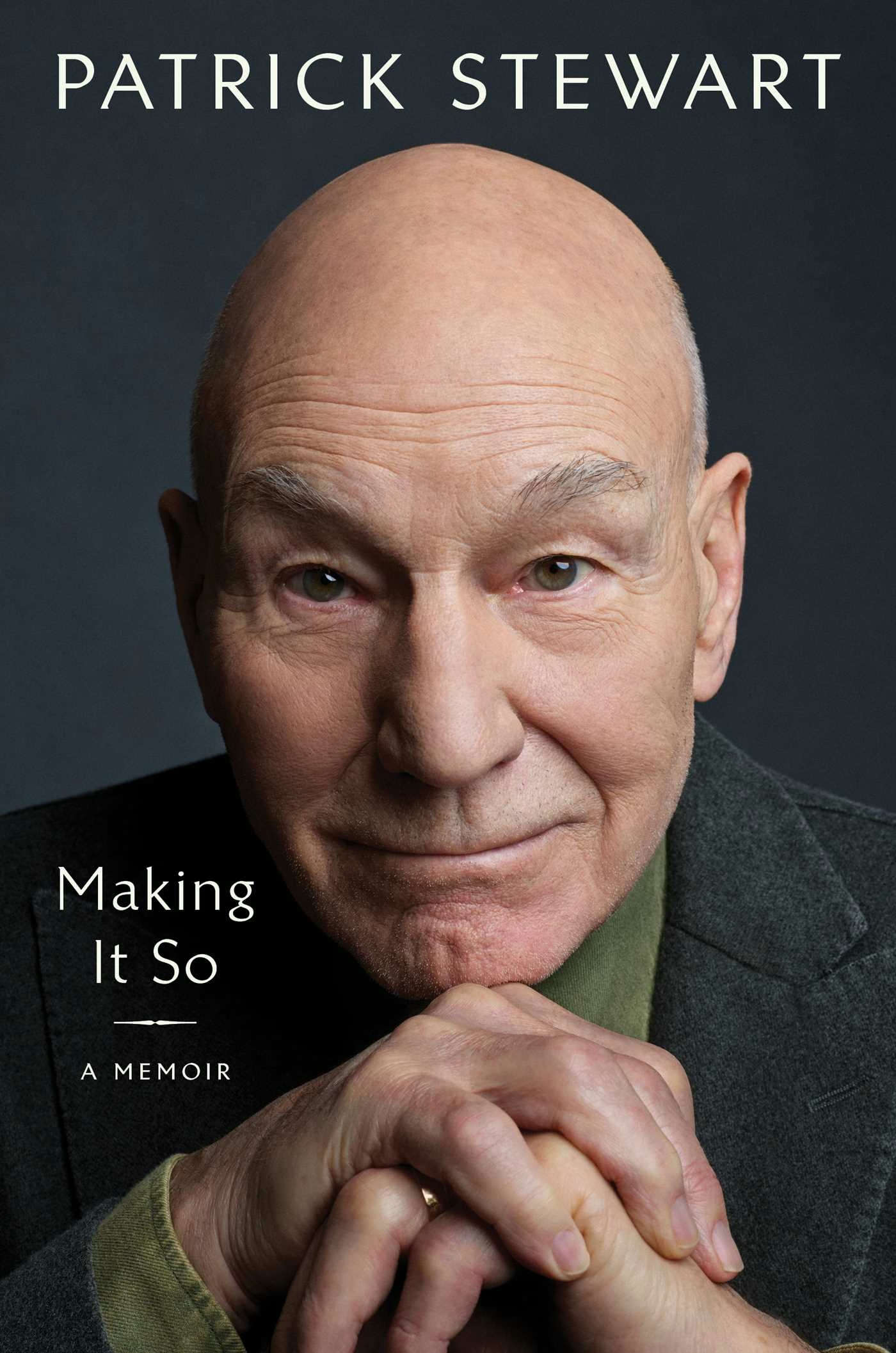
Prices can sometimes be lower on bigger marketplaces, but this link helps independent bookstores and local reading communities.
Patrick Stewart's Making It So is a deceptively titled memoir that subverts expectations in the most delightful way. You might expect a Hollywood tell-all dominated by Star Trek anecdotes and X-Men set stories—instead, you get a profound meditation on a seven-decade artistic journey that treats his most celebrated roles as merely the final chapters of a much richer story. This is not the book for fans seeking behind-the-scenes gossip, but for anyone interested in how an artist becomes himself.
The verdict arrives early: Making It So is genuinely worth reading, even if you've never watched The Next Generation. Stewart delivers something rarer than celebrity memoir—he offers the authentic voice of a working actor reflecting on craft, survival, and the transformative power of theater.
What This Book Actually Is
The majority of Making It So focuses on Stewart's formative years in Mirfield, Yorkshire, and his decades-long apprenticeship in British theater. This is the book's greatest strength and its primary source of reader polarization. Stewart grew up in poverty, the son of an abusive father and a mother who worked in textile mills. His father, a decorated military officer, struggled catastrophically with civilian life, and the household was marked by violence and instability.
Yet rather than dwelling in victimhood, Stewart writes with remarkable clarity about how the stage became his sanctuary. His English teacher, Cecil Dormand, and acting coach Ruth Wynn Owen emerge as true heroes—mentors who recognized potential in a working-class Yorkshire boy and helped him transcend his regional accent and circumstances. Stewart's journey through repertory companies, eventually to the Royal Shakespeare Company in 1965, comprises the intellectual and emotional core of this memoir.
The Star Trek and X-Men material, while included, occupies a surprisingly modest portion of the narrative. This isn't a flaw—it's intentional. Stewart is saying something profound about what truly matters to an artist: the craft itself, not the fame it generates.
The Writing and Storytelling
Stewart is, quite simply, a fabulous raconteur. His prose is elegant without being pretentious, warm without being saccharine. The audiobook version, read by Stewart himself, is particularly revelatory—hearing him narrate his own life carries an intimacy that print cannot quite replicate. His voice carries the weight of experience, the humor of perspective, and the occasional crack of genuine emotion.
The structure moves chronologically but thematically, grouping his life not by calendar years but by artistic chapters. He writes extensively about specific plays, roles, and fellow actors—not in a name-dropping way, but as someone genuinely interested in the collaborative nature of theater. His friendship with Ian McKellen, developed during X-Men downtime, threads through the latter sections with particular warmth.
What's striking is Stewart's refusal to either inflate his own importance or diminish it. He's neither boastful nor self-flagellating. This balance is harder to achieve than it appears, and it's one reason Making It So reads as honest rather than self-serving.
What Works Brilliantly
The early chapters about growing up in post-war Yorkshire are genuinely gripping. Stewart's description of his father's violence, his mother's resilience, and his own discovery of theater as escape has the emotional authenticity of great literature. You understand, viscerally, why acting mattered to him—it wasn't ambition, it was survival.
The theater sections are unexpectedly engrossing. Stewart's detailed recollections of playing Launce in The Two Gentlemen of Verona, his work with Peter Brook, and his years at the RSC read like insider access to a world most readers will never inhabit. These aren't name-dropping anecdotes; they're genuine reflections on artistic development and the collaborative process.
Stewart's treatment of his later fame is refreshingly grounded. He acknowledges the profound impact of Star Trek: The Next Generation without letting it dominate his narrative. He seems genuinely aware that Captain Picard, while important, is not the sum of his life's work.
The final chapters contain what one reader describes as "a wonderful surprise"—a revelation that Stewart deliberately withholds to avoid spoilers. Without revealing it, this ending reframes the entire memoir and suggests Stewart's future remains unwritten, which is a bold and humanizing choice.
Where It Falls Short
The X-Men material feels genuinely perfunctory, and Stewart seems aware of this. His descriptions of those films lack the depth and passion he brings to his stage work. Some readers hoping for substantial Hollywood content will find this frustrating. If you're primarily interested in Stewart's film career, this book may disappoint.
There are occasional sections where the theatrical minutiae becomes dense—detailed descriptions of specific productions that, while authentic, can feel slow for general readers. The book occasionally reads more like a theater historian's document than a commercial memoir. This is partly intentional (Stewart prioritizes his true love, theater, over his most famous work), but it may test the patience of readers seeking more mainstream celebrity narrative.
The book is also quite long—the audiobook exceeds 18 hours. While the length is justified by Stewart's rich storytelling, some readers may find it demands more commitment than they're willing to make.
Who Should Read This (and Who Shouldn't)
Read this if: You're interested in the theater world, admire Patrick Stewart as an actor, want to understand how artists develop their craft, or appreciate memoirs that prioritize artistic integrity over celebrity gossip. This book will also resonate strongly with anyone who grew up in difficult circumstances and found salvation in creative pursuits. Theater enthusiasts and Shakespeare fans will find this particularly rewarding.
Skip this if: You're seeking juicy behind-the-scenes Hollywood stories, want extensive Star Trek lore and set anecdotes, or prefer memoirs that move quickly through early life to focus on fame years. If you need a fast-paced page-turner, this meditative, detailed approach may frustrate you.
How It Compares
Unlike Renegade (Jamie Kennedy's more comedic Hollywood memoir) or Becoming (Michelle Obama's achievement-focused narrative), Making It So functions as a genuine artistic autobiography. It's closer in spirit to Just Kids by Patti Smith—a meditation on how an artist finds their voice through struggle and mentorship. Like Smith's work, Stewart's memoir treats early life as equally important as later success.
The Real Question: Is It Worth Your Time?
Yes, absolutely. Making It So is a rare memoir that respects both the reader's intelligence and the author's life. It refuses easy narratives—that poverty is ennobling, that fame is fulfilling, that celebrity is the point. Instead, Stewart argues, with quiet eloquence, that the work itself is what matters. The craft. The collaboration. The constant striving to improve.
This is a book that will appeal to different readers for different reasons—some for the Yorkshire memoir elements, others for theatrical insight, still others for the reflections on aging and legacy. The fact that it works on multiple levels, without ever feeling scattered, speaks to Stewart's skill as both actor and writer.
Final Verdict
8.5/10 — A genuinely moving memoir that prioritizes artistic truth over celebrity spectacle, proving Patrick Stewart is as masterful with words as he is with performance.