Category:
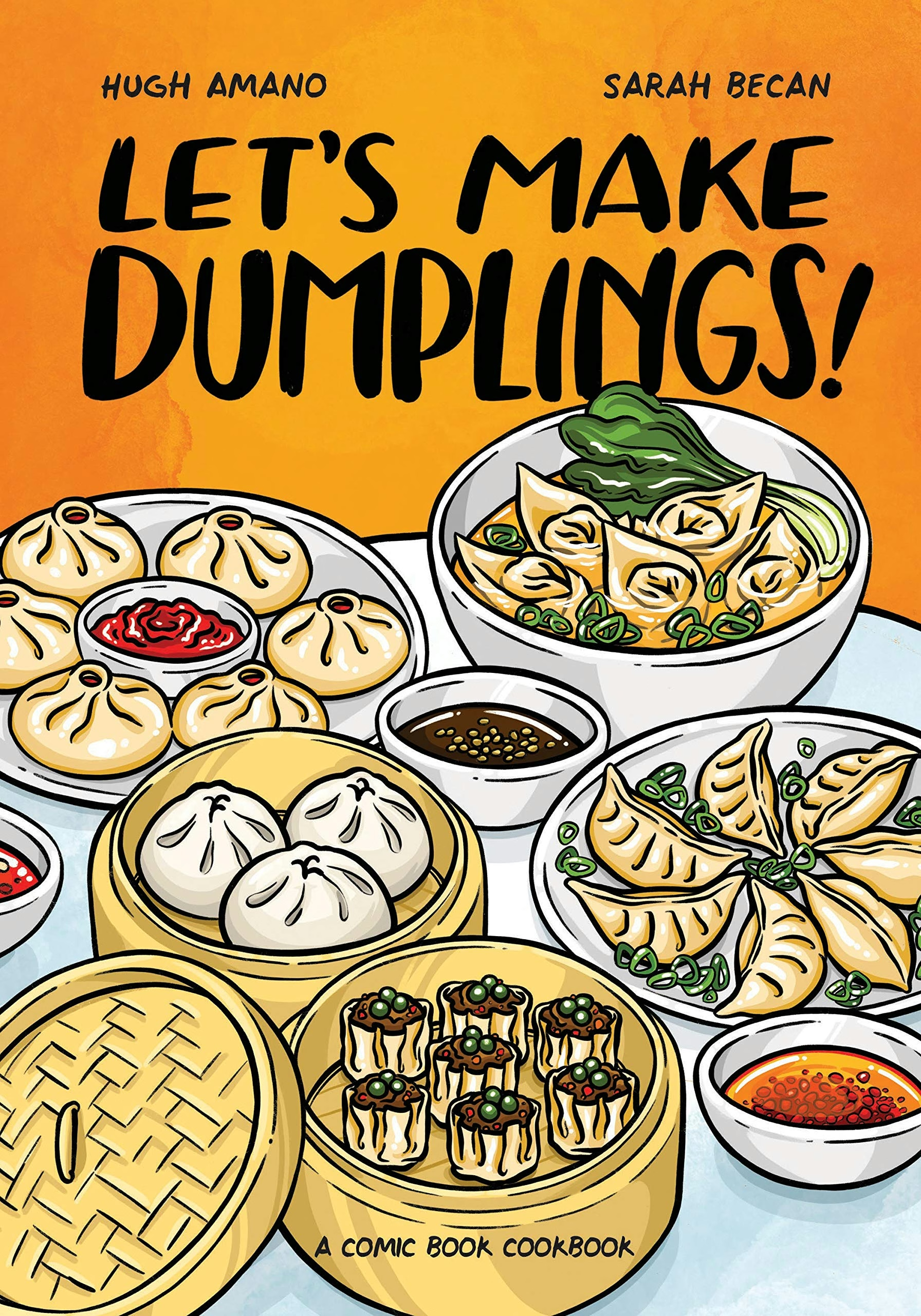
CookingLet's Make Dumplings Review: A Comic Cookbook
Prices can sometimes be lower on bigger marketplaces, but this link helps independent bookstores and local reading communities.
Quick Verdict
Let's Make Dumplings!: A Comic Book Cookbook by Hugh Amano is a visually stunning, genuinely accessible guide that transforms dumpling-making from an intimidating culinary art into something achievable for home cooks of any skill level. This isn't just another cookbook—it's a beautifully illustrated graphic novel that combines cultural storytelling with practical instruction. The verdict: it's worth reading and buying, though dietary restrictions and a meat-forward recipe selection may disappoint some readers.
What This Book Actually Is
Hugh Amano and illustrator Sarah Becan have created something genuinely hybrid here. This isn't a cookbook that happens to have illustrations, nor is it a comic book that includes recipes as an afterthought. Instead, it's a full-fledged graphic novel where the narrative is the cooking instruction. The format works because Becan's artwork does the heavy lifting—her detailed, colorful panels show exactly what your hands should be doing at each stage of dumpling preparation.
The book spans the dumpling world across Asia: Cantonese shumai, Tibetan momos, Korean mandu, Japanese gyoza, Chinese xiaolongbao, and more. But it's not encyclopedic in a way that feels overwhelming. Instead, Amano and Becan curate their selections thoughtfully, pairing each dumpling type with cultural context and practical guidance on everything from dough preparation to folding techniques.
The Folding Guide That Changes Everything
The most revelatory section is the master folding guide. Seven different folding styles—from the pleated crescent of a potsticker to the four-pointed star of a crab rangoon—are broken down step-by-step in a way that actually makes sense. This is where the comic format shines. Static photographs or written descriptions of dumpling folds can feel abstract and frustrating; sequential art panels showing the progression of hand movements are genuinely clarifying.
This accessibility is the book's greatest strength. Readers consistently report feeling confident enough to attempt dumpling-making after just a few pages. That's not hyperbole—it's the direct result of thoughtful design. The recipes offer flexibility too, with options for both handmade and store-bought wrappers, and multiple cooking methods (steaming, pan-frying, boiling) for each dumpling type.
Where the Writing Excels
Amano's writing voice is conversational without being condescending. He includes cultural history and amusing anecdotes—like the story of how pot stickers were allegedly invented by a forgetful cook—that enrich the experience beyond mere instruction. These aren't dry facts; they're woven into the narrative in ways that make you actually care about the dumplings you're about to make.
The recipes themselves are solid and clearly tested. Basic traditional recipes sit alongside creative riffs, like Sesame Chicken Dumplings and the book's finale: Malaysian buns with coconut jam filling and Cambodian rice dumplings steamed in banana leaves. This range shows genuine culinary thinking rather than just collecting existing recipes.
The Meat Problem
Here's where Let's Make Dumplings! review conversations get interesting: the book is overwhelmingly meat-focused. While some dough recipes are vegan, and a handful of dumpling fillings offer vegetarian options, readers seeking substantial plant-based content will feel shortchanged. One reader noted perhaps five truly vegan or vegetarian recipes in the entire book—a significant limitation for anyone following dietary restrictions.
This isn't a dealbreaker for omnivorous cooks, but it is a genuine limitation. The recipes could be adapted with meat substitutes, and the book doesn't make this difficult, but it requires initiative from the reader. For a cookbook published in 2021, a more intentional approach to dietary diversity would have strengthened the offering considerably.
Cultural Depth vs. Practical Scope
One reader expressed wanting more historical context about ravioli and deeper exploration of cultural eating practices around different dumpling types. This points to an inherent tension in Hugh Amano's Let's Make Dumplings: it's deliberately focused on accessibility rather than exhaustive cultural documentation. Some readers want more anthropological depth; others appreciate that the book respects your time and intelligence without overwhelming you with tangential information.
This is actually a design choice worth defending. The book could have been 400 pages of cultural history with fewer recipes. Instead, it prioritizes the hands-on experience of making dumplings, with cultural context serving as seasoning rather than the main course. Different readers will have different preferences here.
Who Should Read This
Perfect for: Beginner cooks intimidated by dumpling-making, visual learners, anyone who loves Asian cuisine, people seeking interactive cookbook experiences, and those planning dinner parties or dumpling-making gatherings. The comic format makes this genuinely appealing to younger readers and anyone who finds traditional cookbooks tedious.
Proceed with caution if: You follow a vegan or vegetarian diet and expect substantial recipe options, you're seeking encyclopedic cultural history, or you prefer minimalist cookbook design without illustrations. If you want a reference guide rather than an experience, this might feel overly decorative.
The Comparison Question
If you're familiar with Amano and Becan's earlier work, Let's Make Ramen!, you know what to expect: the same thoughtful combination of graphic storytelling and accessible instruction. The dumpling book is equally successful, though ramen arguably has fewer variables in preparation, making it slightly more straightforward. This book is arguably more ambitious in scope.
Compared to traditional dumpling cookbooks, Let's Make Dumplings! trades some reference-material comprehensiveness for genuine usability and joy. You won't find 50 dumpling varieties here, but you will feel equipped to make them, and you'll understand why they matter.
Final Assessment
The vibrant illustrations never fail to create genuine hunger. The step-by-step instructions are genuinely clear and accessible. The cultural framing adds meaning without becoming pretentious. The recipes work. These are the fundamentals, and Let's Make Dumplings! executes them exceptionally well.
The book's limitations—dietary restrictions, recipe quantity, cultural depth—are real but don't undermine its core purpose. This is a cookbook designed to get you making dumplings, not to serve as an academic text or comprehensive reference. That's a perfectly valid design choice, and it's executed with intelligence and charm.
The real question isn't whether this book is good—the 4.35/5 average rating across hundreds of readers suggests it is. The real question is whether its specific approach matches your needs. If you want to make dumplings and enjoy the process of learning, the answer is definitively yes.