Category:
Book ReviewsLessons in Chemistry: A Captivating Journey
Introduction
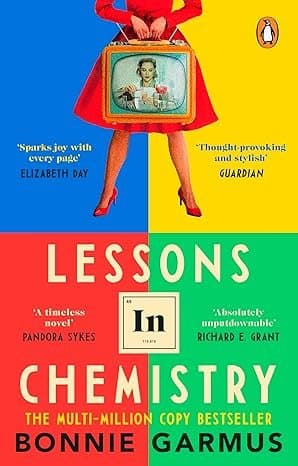
In an era where STEM fields are gaining unprecedented attention, "Lessons in Chemistry" by Bonnie Garmus stands out as a refreshing narrative that combines science with societal critique. This novel, set in the 1960s, not only entertains but also challenges the status quo by highlighting the struggles and triumphs of a female scientist in a male-dominated world.
Plot Overview
The story revolves around Elizabeth Zott, a fiercely intelligent chemist whose career in science is derailed by the societal norms of her time. As she navigates the complexities of her personal and professional life, Elizabeth’s journey is one of resilience and transformation. She inadvertently becomes the star of a popular cooking show, transforming it into a platform to educate and empower women.
Characters
- Elizabeth Zott: The protagonist, a brilliant chemist whose passion for science is matched only by her determination to defy societal expectations.
- Calvin Evans: A Nobel-prize-winning scientist and Elizabeth’s love interest, whose unexpected death leaves a profound impact on her life.
- Madeline Zott: Elizabeth’s precocious daughter, who inherits her mother’s sharp intellect.
- Walter Pine: The television producer who discovers Elizabeth and helps launch her unconventional cooking show.
Themes
Feminism and Gender Equality
"Lessons in Chemistry" delves deep into the themes of feminism and gender equality. Elizabeth's struggle against the patriarchal norms of the 1960s is a testament to the challenges faced by women in STEM, making it a powerful narrative for contemporary audiences.
Science and Education
The novel cleverly uses the medium of a cooking show to demystify complex scientific concepts. Elizabeth's unique approach to teaching chemistry through cooking not only educates her audience but also inspires women to pursue their interests in science.
Love and Loss
The unexpected demise of Calvin Evans adds depth to the narrative, exploring how love and loss shape Elizabeth’s worldview and drive her to use her platform for change.
Writing Style and Tone
Bonnie Garmus employs a writing style that is both engaging and thought-provoking. The narrative is laced with humor and wit, making it accessible while addressing serious societal issues. Her vivid descriptions and well-drawn characters keep readers invested from start to finish.
Critical Analysis
Strengths:
- Engaging Protagonist: Elizabeth Zott is a compelling character whose journey resonates with readers.
- Blending Genres: The novel successfully combines elements of drama, romance, and social commentary.
- Educational Value: The use of chemistry as a metaphor for life’s challenges adds an educational layer to the story.
Weaknesses:
- Pacing Issues: Some readers may find the pacing uneven, with certain subplots feeling underdeveloped.
- Predictability: The novel’s resolution may be seen as predictable by some, given the setup of its themes.
Conclusion
"Lessons in Chemistry" is more than just a novel; it is a reflection on the societal constructs that continue to shape our world. Bonnie Garmus has crafted a narrative that is as enlightening as it is entertaining, making it a must-read for anyone interested in the intersection of science and society.
Final Thoughts
For those seeking a novel that combines intellectual stimulation with emotional depth, "Lessons in Chemistry" offers a unique reading experience. It is a testament to the power of perseverance and the importance of challenging norms, making it a relevant and inspiring read for modern audiences.
Call to Action
If "Lessons in Chemistry" intrigues you, consider picking up a copy and diving into Elizabeth Zott’s world. Witness how science and determination can lead to profound change, not just in the laboratory, but in society at large.