Category:
Book ReviewsJävla karlar Review: Darkly Funny Coming-of-Age Masterpiece
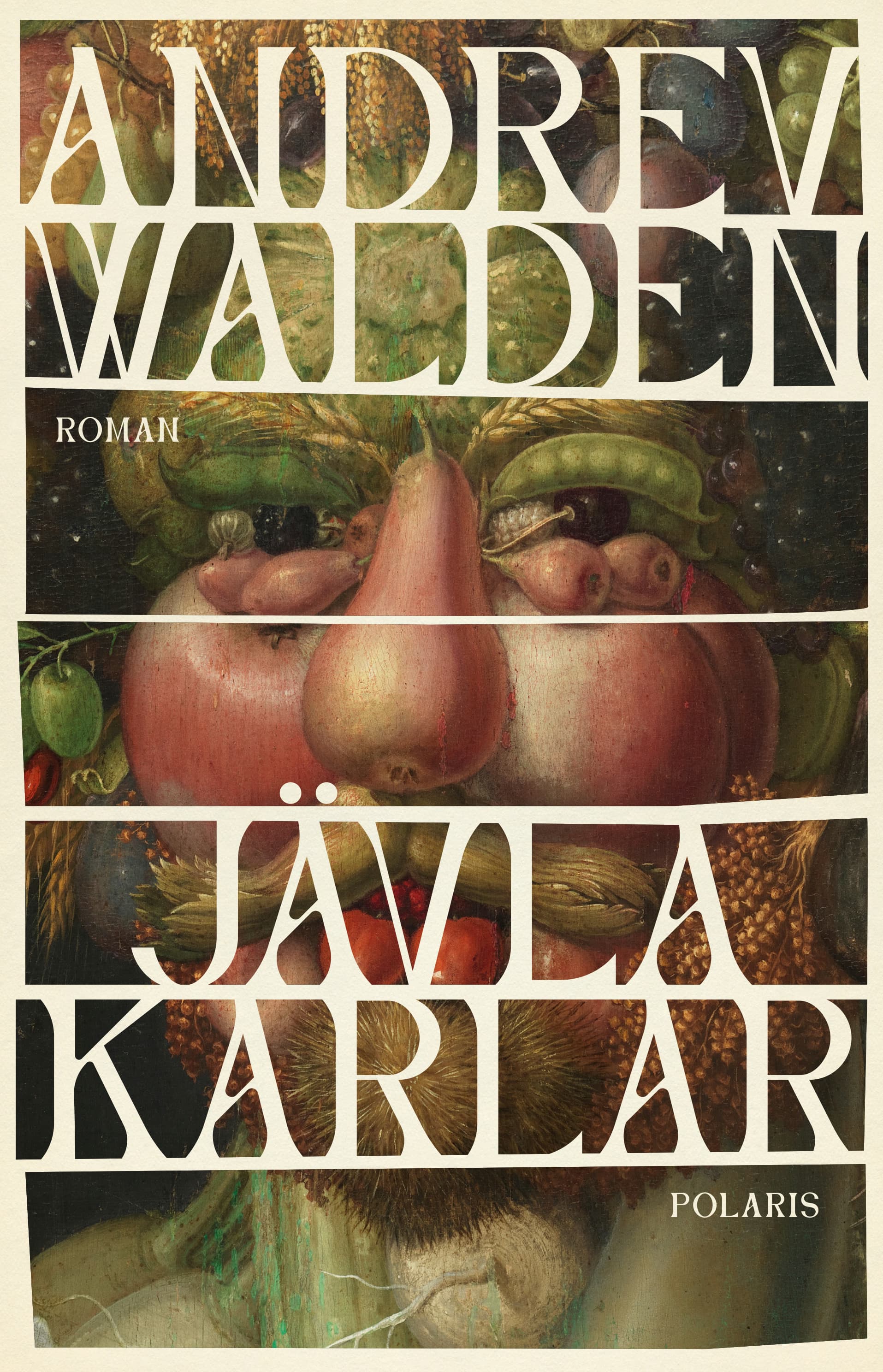
Prices can sometimes be lower on bigger marketplaces, but this link helps independent bookstores and local reading communities.
Andrev Walden's debut novel Jävla karlar ("Damn Men") arrives as a deceptively light-hearted memoir about a boy who lived through seven different stepfathers in seven years—but don't let the premise fool you. This is a visceral, unflinching portrait of childhood chaos that somehow manages to be simultaneously hilarious and heartbreaking, a feat few contemporary writers pull off without descending into sentimentality or self-pity.
Quick Verdict
Walden's Jävla karlar is a genuine achievement in Swedish literature: a coming-of-age narrative that treats trauma with dark humor, dysfunction with linguistic playfulness, and family catastrophe with the sardonic distance of someone who's had decades to process it. If you want a book that makes you laugh out loud at genuinely uncomfortable moments, this is essential reading. If you need neat resolutions or emotional catharsis, look elsewhere.
What It's About
The story begins on Christmas Eve 1983 in the forests outside Norrköping, when young Andrev's mother drops a bombshell: the man he's called father isn't his biological dad. That revelation sets off a chain reaction spanning seven years during which his mother cycles through a series of increasingly questionable romantic partners. Each "new dad"—nicknamed with brutal precision as the Plant Magician, the Murderer, the Artist, the Canoeist—arrives with his own particular brand of dysfunction, each one temporary, each one leaving its mark.
Walden frames this as a true story, though he's careful to note that "if something sounds made up, you can be sure it's true." This meta-awareness runs throughout the narrative, with the adult author periodically interjecting to reassure readers that yes, this chaos actually happened, and no, his sister really did save their mother from drowning.
The Linguistic Brilliance
What separates Jävla karlar from standard memoir territory is Walden's prose style. He writes with kinetic energy and invention—verbs don't just appear, they "scatter" and "tumble"; eyes don't look, they "wreck themselves"; a piece of bread has an "inner curve." This isn't purple prose; it's precise, playful language that captures the disorientation of a child observing adult chaos without understanding its mechanics.
The comparison to Häng City (Jens Lapidus's Stockholm crime novel) that some readers have drawn is apt: both employ colloquial Swedish with linguistic dexterity, both maintain emotional distance through style, both refuse to apologize for their subject matter. Walden's achievement is making a fractured family narrative feel as propulsive as a crime thriller.
What Works Brilliantly
The structural choices here are masterful. By giving each stepfather a nickname rather than a name, Walden emphasizes their interchangeability and the boy's emotional distance from them. He's not mourning these men; he's cataloging them like weather patterns. The chronological narrative is interrupted by prolepses—moments where the adult Walden jumps forward to assure readers that despite the current horror, everything turns out "fine" (or at least, survivable).
Most impressively, Walden avoids the twin pitfalls that destroy most trauma narratives: sentimentality and self-righteousness. There's no moment where the narrator learns a valuable lesson. There's no scene of confrontation and healing. Instead, there's just the recognition that childhood is something you survive, and the brain retains the oddest details while discarding the rest.
The portrait of his mother—standing under the kitchen exhaust hood muttering "jävla karlar" (damn men)—is devastating precisely because Walden doesn't judge her. She's a woman making terrible romantic choices, yes, but she's also resourceful, loving in her way, and trapped by circumstances. That complexity is rare in coming-of-age literature.
Where It Stumbles
The Jävla karlar review landscape isn't entirely unanimous, and there are legitimate criticisms worth acknowledging. Some readers find the sexualization of situations—particularly descriptions of his mother's body and sexuality—gratuitous rather than illustrative. The tone, while brilliant, can feel cold; readers seeking emotional warmth or connection will find themselves kept deliberately at arm's length by Walden's sardonic distance.
There's also a question of whether the "true story" framing actually matters. The narrative works so well as constructed fiction that emphasizing its factual basis sometimes feels like it's doing narrative work the prose doesn't need. The book would be equally powerful as a novel, which raises the question of why the memoir framing is necessary at all.
Additionally, the "grabbiness" (as one reader noted) of the text—its adolescent male preoccupations and occasional tastelessness—won't appeal to everyone. This isn't a book that's trying to be likeable or universally accessible. It's deliberately specific to a particular voice and sensibility.
Comparisons and Context
If you've read Tara Westover's Educated, you'll recognize the basic DNA: a chaotic childhood documented with literary sophistication. But where Westover's memoir builds toward ideological reckoning, Walden's stays grounded in the quotidian. It's closer in spirit to David McCullough's approach to biography—the power lies in specific, observed detail rather than grand narrative arc.
Walden's debut also sits within a broader Swedish literary moment that includes writers like Fredrik Backman and Mikael Niemi, all working with humor and regional specificity. But Jävla karlar is considerably darker and more linguistically ambitious than Backman, and more structurally playful than Niemi.
Who Should Read This
Perfect for: Readers who loved Educated but wanted it darker and funnier. Anyone interested in contemporary Swedish literature. People who appreciate linguistic inventiveness in service of emotional truth. Readers who've survived chaotic childhoods and appreciate unflinching honesty without victimhood narratives. Anyone who wants a book that's impossible to put down despite (or because of) its subject matter.
Skip it if: You need redemptive arcs or emotional resolution. You're uncomfortable with frank discussions of sexuality and bodily functions. You prefer your coming-of-age stories to be ultimately affirming. You want a book that makes you feel better about the world. You're looking for traditional narrative satisfaction.
The Verdict
Andrev Walden's Jävla karlar is worth reading because it does something genuinely difficult: it makes chaos coherent without explaining it away. The book treats its protagonist's fractured childhood with the seriousness it deserves while refusing to wallow in it. This is a debut that announces a significant new voice in Swedish literature—one uninterested in pleasing readers, focused instead on precise observation and linguistic innovation.
The 4.03/5 rating across 24,000+ readers reflects what you see in the reviews themselves: this is a book people either love deeply or find frustrating. There's little middle ground, which is exactly as it should be. Literature this distinctive shouldn't aim for universal appeal.
Is Jävla karlar worth reading? Absolutely—but only if you're willing to sit with discomfort, appreciate linguistic playfulness, and accept that not every story needs to teach you something. For readers willing to meet it on its own terms, this is essential contemporary Swedish literature.
Final Score: 8.5/10
A brilliant, unsettling debut that proves you don't need tidy resolutions to create profound coming-of-age literature.