Category:
ThrillerIt's Not What You Think Review: Mackintosh's Masterpiece
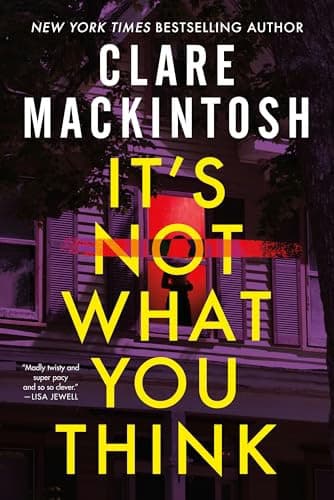
Prices can sometimes be lower on bigger marketplaces, but this link helps independent bookstores and local reading communities.
Clare Mackintosh's It's Not What You Think arrives as a rare thriller that doesn't just deliver plot twists—it systematically dismantles your assumptions about every character, motive, and outcome. This is a book that earns its title through sheer narrative audacity, executing a 20% plot explosion that fundamentally reframes everything you thought you understood about the story. If you're hunting for a genuinely unpredictable thriller that respects reader intelligence, this delivers.
What It's About
Nadeeka Prasanna believes her boyfriend Jamie Golding is having an affair. The evidence seems obvious: he's suddenly protective of his phone, he's making excuses about working late, and his behavior mirrors the infidelity that destroyed her first marriage. She speeds home from work determined to catch him in the act, fueled by years of trust issues stemming from her ex-husband Scott's serial cheating.
What she finds instead is Jamie dead in their home, surrounded by blood. What unfolds from that moment isn't a straightforward murder investigation—it's a labyrinth of misdirection, political extremism, and moral complexity that spirals far beyond a simple crime of passion. The title becomes prophecy: nothing about this situation is what it initially appears to be.
The Misdirection Masterclass
Mackintosh's greatest achievement here is structural manipulation. She plants you firmly in Nadeeka's paranoid, trauma-informed perspective, making you complicit in her assumptions. You want to believe Jamie is cheating because Nadeeka wants it—it's the narrative you've been sold. When the actual truth emerges around the 20% mark, it hits with genuine shock value that recontextualizes everything you've read.
This is sophisticated thriller craft. Unlike books that rely on withholding information to fake surprise, It's Not What You Think uses misdirection through emotional manipulation and character psychology. You're not confused because the author kept secrets—you're shocked because you believed the wrong story alongside a protagonist who was equally deceived.
Writing and Pacing
The novel's pacing is relentless without feeling rushed. Mackintosh balances multiple perspectives—particularly the dynamic between Nadeeka and a brilliant, deeply flawed DCI investigating the case—with surgical precision. Each section builds pressure rather than just accumulating plot points. The prose is clean and propulsive, favoring momentum over ornament.
The audiobook narration, featuring Richard Armitage, Samuel Barnett, Tuppence Middleton, and Vineeta Rishi in a full-cast production, elevates the experience. Each narrator embodies their character with distinct vocal identity, transforming the listening experience into something closer to a radio drama. This is how audiobooks should be done.
What Works Brilliantly
Character credibility: Nadeeka isn't a paranoid woman manufactured for plot convenience. Her trust issues have documented, understandable origins. Jamie isn't a cipher. Even secondary characters like Scott carry psychological weight. You believe these people and their contradictions.
Thematic restraint: The novel explores contemporary political extremism and ideological violence, but it never sermonizes. The story focuses on human fallout rather than pushing any political agenda. This restraint is increasingly rare in thrillers and makes the darker material more disturbing precisely because it's presented without moral hectoring.
Twist quality: Not all twists land equally, but the major reversals here are earned. They don't feel like gotcha moments—they feel inevitable in retrospect. You'll immediately want to reread sections knowing what you now know, which is the mark of effective plot construction.
Emotional stakes: Beyond the mystery mechanics, there's genuine emotional weight. Nadeeka's journey isn't just about solving a crime; it's about reconciling her trauma, her parenting, and her capacity to trust. These threads matter to the resolution.
Potential Friction Points
For some readers, the shift in tone and focus around the midpoint might feel jarring. The book transforms from intimate relationship drama into something broader and more systemic. If you came for a conventional domestic thriller, the genre pivot might feel like a bait-and-switch rather than an evolution.
The political themes, while handled tactfully, won't appeal to readers seeking escapism. This book demands engagement with uncomfortable contemporary realities. It's not a beach read—it's a book that sits with you uncomfortably.
Some may find the ending philosophically ambiguous in ways that feel unresolved rather than thoughtfully open-ended. Without spoiling anything, the moral landscape of the finale is deliberately murky. Readers seeking clear justice or comeuppance might feel unsatisfied.
How It Compares
If you loved the domestic paranoia of Gone Girl but found its twist gimmicky, It's Not What You Think offers something more psychologically grounded. If you appreciated the social commentary woven through The Thursday Murder Club but wanted higher stakes and darker themes, Mackintosh delivers that balance. The closest comparison might be Line of Duty transplanted into novel form—procedural rigor meets personal obsession meets systemic corruption.
Who Should Read This
Perfect for: Thriller readers who prize character psychology over plot mechanics. Readers who've been burned by twists that feel unmotivated. Anyone interested in how trauma shapes perception and decision-making. Fans of Clare Mackintosh's previous work. Audiobook enthusiasts who appreciate full-cast narration. Readers seeking thrillers with contemporary relevance.
Skip it if: You want straightforward entertainment without thematic weight. You prefer traditional whodunits with clear culprits. You're seeking escapism rather than engagement. You dislike morally ambiguous endings. You want your antagonists clearly labeled and your protagonists sympathetic.
The Verdict
It's Not What You Think is genuinely worth reading. This isn't a "good for a thriller" compliment—it's a genuinely accomplished novel that executes an ambitious narrative structure with intelligence and restraint. Clare Mackintosh has written her most confident book, one that trusts readers to handle complexity and rewards that trust with genuine surprises.
The title's promise is fulfilled: it's not what you think. But more importantly, it's better than you expected.
Score: 9/10 — A masterclass in misdirection that respects reader intelligence while delivering authentic surprises.