Category:
BiographyIs It Too Late to Make a Run for It? Review
Prices can sometimes be lower on bigger marketplaces, but this link helps independent bookstores and local reading communities.
Quick Verdict
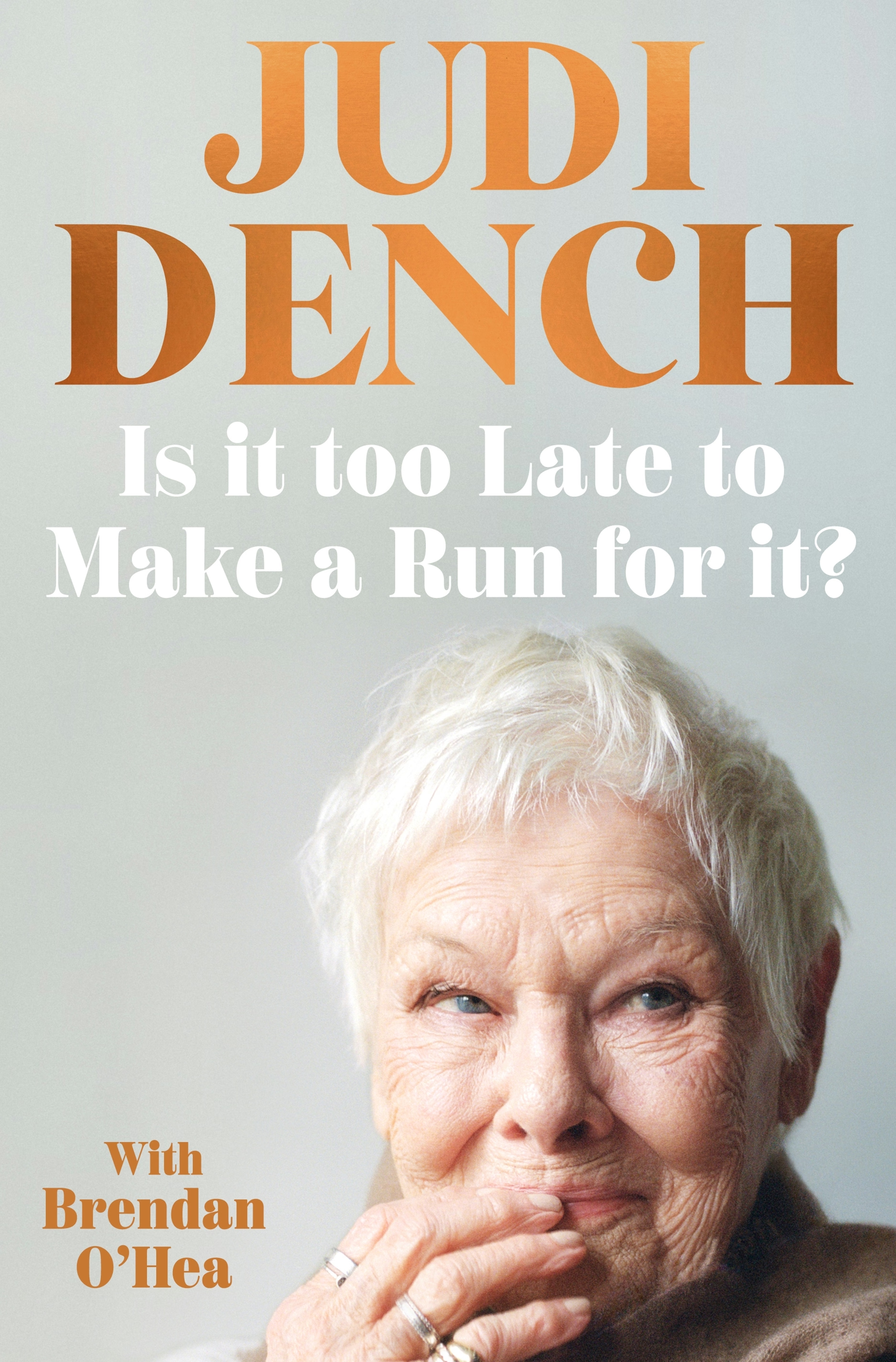
Is It Too Late to Make a Run for It? by Judi Dench is a masterclass in intimate memoir-writing that succeeds precisely because it refuses to be a conventional celebrity autobiography. Co-written with Brendan O'Hea in conversational form, this book captures something rarely achieved in the genre: genuine warmth without saccharine nostalgia, professional achievement without ego-stroking, and honest vulnerability from someone who has spent ninety years perfecting the art of performance. It's worth reading, and here's why.
What This Book Actually Is
This isn't a chronological slog through Judi Dench's career highlights. Instead, O'Hea and Dench have structured their collaboration as a series of thematic conversations—childhood in York, the Quaker upbringing, her marriage to Michael Williams, the theater years, Hollywood, awards, animals, pranks, and doubt. Each chapter feels like eavesdropping on two friends who genuinely enjoy each other's company, which is precisely what they are.
The audiobook narration by Barbara Flynn deserves special mention here. Flynn's performance is so attuned to Dench's cadence and humor that listeners often forget they're hearing an interpreter rather than Dench herself. This matters because the book's entire appeal rests on intimacy and voice—elements that live or die in audio format.
Why This Works (And Why It Shouldn't)
Most celebrity memoirs fail because they're written by ghostwriters who've never met their subject, resulting in polished but hollow narratives. Judi Dench's Is It Too Late to Make a Run for It? avoids this trap entirely. The conversational structure means Dench can tangent, contradict herself, laugh at her own stories, and generally behave like an actual human rather than a curated brand.
The humor lands consistently. Readers report laughing until tears appeared—particularly during early animal anecdotes and a notably hilarious section toward the book's end. This isn't forced comedy or self-deprecation performed for effect. It's the natural humor of someone reflecting on a long life with perspective and genuine amusement.
What's genuinely refreshing is Dench's refusal to trash anyone. In an era where celebrity memoirs often function as extended revenge fantasies, her decision to speak affectionately about colleagues and friends—even those who doubted her—reveals character. She acknowledges the producer who said she had "everything wrong" with her face, the director who discouraged sitcom work, yet frames these moments as learning experiences rather than grievances.
Her practice of planting trees in honor of deceased loved ones is woven throughout and becomes a quiet but powerful motif about legacy and remembrance. It's the kind of detail that reveals values without preaching.
The Writing and Structure
The conversational format is both the book's greatest strength and its most polarizing element. Readers who connect with this approach describe the experience as sitting with friends; those who don't may find it meandering or lacking traditional narrative arc.
Chapter titles provide helpful signposts—"Growing Up," "The Theater," "Hollywood," "Animals," etc.—but within each chapter, Dench and O'Hea follow their thoughts organically. This means a discussion of Shakespeare might veer into a story about a prank, then circle back. It's the opposite of the tight, structured memoir that dominates bestseller lists.
For readers accustomed to tightly plotted narratives, this can feel undisciplined. For those seeking genuine connection, it feels natural and authentic.
Who Should Read This
Perfect for: Fans of Dench's work who want behind-the-scenes context. People who value conversational storytelling over rigid structure. Readers interested in theater history and the evolution of British acting. Anyone seeking a memoir that prioritizes character and warmth over achievement-stacking. Audiobook listeners specifically will find Barbara Flynn's narration elevates the experience significantly.
Will struggle with this: Readers wanting a comprehensive career chronology. People who prefer traditional memoir structure with clear narrative progression. Those seeking scandalous revelations or dramatic conflict. Anyone fatigued by celebrity culture who might find even a humble memoir tiresome.
Comparison to Similar Works
If you've read Sheila Hancock's recent memoirs or Maggie Smith's reflections, you'll find Dench's approach similarly grounded but slightly warmer in tone. Unlike some theater memoirs that lean heavily into technical craft discussions, this book prioritizes the human experience of performance.
Compared to traditional celebrity autobiographies, Is It Too Late to Make a Run for It? reads more like Nora Ephron's essays—witty, self-aware, tangential, and genuinely interested in the texture of life rather than just its highlights.
What Doesn't Quite Work
The book's conversational structure, while charming, occasionally sacrifices clarity. Readers seeking comprehensive information about specific roles or periods might find themselves wanting more detail than the book provides. There's also an inevitable bias toward anecdotes that photograph well verbally—quieter achievements or difficult periods receive less attention.
The emotional weight of certain topics—her marriage to Michael Williams, aging in an industry obsessed with youth—surfaces but isn't deeply excavated. Some readers may want Dench to go further into these territories, though others will appreciate her discretion.
The Real Revelation
The book's title itself is the reveal. Throughout a career of extraordinary achievement, Dench has carried doubt. She literally keeps a bag by the rehearsal room door in case she needs to make a run for it. This isn't false modesty—it's a genuine psychological truth that persists regardless of accolades.
This is what makes the book valuable beyond fan service. It challenges the assumption that success eliminates fear or self-doubt. After ninety years, an Oscar, Tonys, Golden Globes, Oliviers, and BAFTAs, Judi Dench still questions whether she belongs. That's not a confession meant to be inspirational—it's an observation about the nature of artistic temperament.
Is It Worth Reading?
Yes, but with caveats. Is It Too Late to Make a Run for It? review consensus suggests this book works brilliantly for its intended audience: people who appreciate conversational storytelling, value warmth and humor, and want genuine insight into a remarkable life. It doesn't work for readers seeking traditional structure or comprehensive career documentation.
The 4.3/5 rating across hundreds of reviews suggests strong satisfaction with clear-eyed assessment. Readers aren't giving it five stars because they're fans of Dench—they're giving it high marks because the book delivers on what it promises: intimacy, humor, honesty, and the company of two people who genuinely like each other.
Judi Dench's Is It Too Late to Make a Run for It? succeeds because it understands that the most interesting thing about a remarkable life isn't the achievements—it's the person underneath them.
Final Verdict
8/10 — A warm, funny, genuinely intimate memoir that prioritizes humanity over achievement and conversation over polish, making it essential reading for those who value authentic voice over conventional structure.