Category:
Book ReviewsIn Love: A Memoir That Redefines Love and Loss
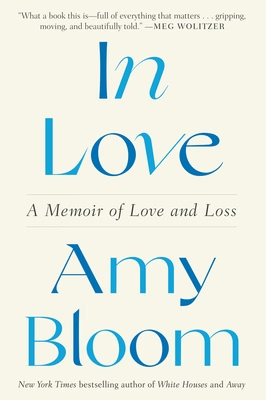
Amy Bloom's In Love is not a conventional grief memoir. It's a love story about two people choosing autonomy over decline, and it will either devastate you or fundamentally shift how you think about marriage, mortality, and dignity. This is essential reading for anyone grappling with serious illness, caregiving, or the question of how we want to live—and die.
What This Memoir Actually Is
When Amy Bloom noticed her husband Brian withdrawing from life—early retirement from a job he loved, disappearing from friendships, living increasingly in the past—she initially dismissed the signs. Then came the MRI. Alzheimer's disease. The diagnosis that shatters futures and rewrites identities.
But In Love isn't primarily about the disease. It's about what Brian did next. Faced with a degenerative condition that would gradually erase him, Brian made a deliberate choice: he would not "live on his knees." He asked Amy to help him find a way to die on his own terms. Together, they researched assisted dying laws across US states, discovered the organization Dignitas in Switzerland, and made the unimaginably difficult decision to travel there.
This is where most memoirs would become unbearably heavy. Instead, Bloom's book becomes something more interesting: a portrait of active, conscious love in the face of impossible circumstances.
The Writing: Precision as Intimacy
Bloom is a master of compression. This slim memoir reads like a carefully edited collection of moments rather than a sprawling narrative. Each scene carries weight. She writes with the precision of a short story writer (which she is), choosing specific details over emotional exposition.
There's a scene where Brian and Amy argue about whether to tell their daughter. There's the mundane reality of researching end-of-life options on the internet, like booking a vacation. There's dark humor—because of course there is. Bloom refuses to sanctify her subject or soften the edges of her experience. She's angry sometimes. She's uncertain. She loves Brian fiercely and still struggles with what he's asking of her.
The audiobook version, narrated by Bloom herself, deserves particular praise. Hearing her voice deliver these intimate moments—the tremor when discussing Brian's diagnosis, the steadiness when describing their decision—adds a layer of authenticity that transforms the listening experience. This isn't a performance; it's a testimony.
What Makes This Book Necessary
In a culture that treats death as a failure and aging as something to hide, In Love refuses to look away. It asks uncomfortable questions: If someone is of sound mind, should they have the right to choose their death? What does autonomy mean when disease is stealing it? How do we honor someone's wishes when those wishes contradict our instinct to keep them alive?
Bloom doesn't answer these questions didactically. Instead, she shows us Brian's reasoning, Amy's internal conflict, and the love that somehow contains both. She treats the reader as intelligent enough to sit with moral complexity.
The memoir also provides practical information that's rarely discussed in mainstream literature. What is Dignitas? How does Swiss assisted dying law work? What does the process actually look like? Bloom answers these questions matter-of-factly, which paradoxically makes the emotional weight heavier. This isn't abstract philosophy—it's a real couple navigating real systems to make a real choice.
For people currently caring for someone with Alzheimer's or similar diagnoses, this book offers something invaluable: permission to feel the full range of emotions—grief, anger, love, frustration—without needing to resolve them into a neat narrative arc. One reader described it as "reading up about a town you're getting ready to visit." That's exactly right. Bloom's experience doesn't dictate your path, but it illuminates the terrain.
Where This Book Challenges Readers
This In Love review must acknowledge that this memoir will not work for everyone. Some readers will find the subject matter—assisted suicide—too difficult to engage with, particularly if they're processing recent loss. Others may have moral or religious objections to the choice Bloom and Brian made, which could overshadow their ability to appreciate the book's deeper exploration of love and autonomy.
There's also a question of privilege embedded in the narrative. Dignitas is expensive. Travel to Switzerland requires resources many people don't have. Bloom and Brian's ability to make this choice reflects their financial position, education, and access to information. The book doesn't ignore this, but some readers will feel it deserves more explicit interrogation.
Finally, the brevity that makes this book so readable might leave some wanting more. At under 200 pages, In Love moves quickly. Some readers will wish for deeper exploration of Bloom's marriage before the diagnosis, or more detail about her grief process afterward. The compression that serves the book's emotional impact also means certain questions remain unanswered.
Who Should Read This
Perfect for: Anyone navigating serious illness or caregiving, particularly Alzheimer's disease. Readers interested in end-of-life ethics and "death with dignity" debates. People who loved Bloom's fiction and want to understand her voice in nonfiction. Those seeking memoirs that treat grief as complex rather than redemptive. Readers looking for a love story that feels genuinely earned and unconventional.
Proceed with caution if: You're in acute grief and need lighter reading. You have strong moral objections to assisted dying. You prefer memoirs that follow a traditional arc of crisis, struggle, and resolution. You're looking for practical caregiving advice rather than emotional testimony.
How It Compares
If you've read Anne Griffin's When All Is Said, you'll recognize that same quality of precise emotional observation, though Bloom's approach is more urgent and less retrospective. Unlike many grief memoirs that move toward acceptance or meaning-making, In Love resists that arc. It's closer in spirit to Joan Didion's The Year of Magical Thinking—intimate, unsentimental, refusing to perform recovery.
The difference is that Didion's memoir explores grief after loss, while Bloom explores the active process of choosing and supporting that loss. It's a fundamentally different emotional and ethical territory.
The Verdict
Is In Love worth reading? Yes, absolutely—but with the caveat that it's not comfort reading. It's confrontational reading. It asks you to sit with moral ambiguity, witness love in its most demanding form, and reconsider your assumptions about autonomy, aging, and how we want to be remembered.
Amy Bloom's In Love is a small book that contains enormous questions. It's beautifully written, emotionally honest, and utterly necessary in a culture that avoids talking about death. Whether you agree with Brian and Amy's choice or not, their story deserves to be heard and considered. This is the kind of memoir that changes how you think—not through sentimentality, but through unflinching clarity and genuine love.
Final Score: 9/10 — A masterfully written meditation on love, autonomy, and mortality that refuses easy answers and demands to be read.