Category:
Book ReviewsIf Russia Wins Review: Terrifyingly Plausible
Prices can sometimes be lower on bigger marketplaces, but this link helps independent bookstores and local reading communities.
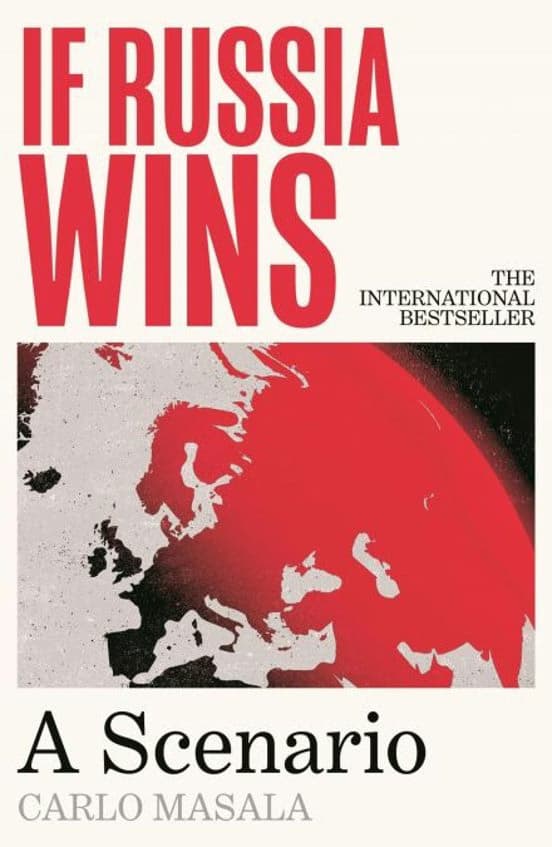
Carlo Masala's If Russia Wins: A Scenario is a geopolitical thriller disguised as academic analysis—and that's precisely what makes it so unsettling. This isn't a speculative fantasy; it's a meticulously researched warning from a University of Munich professor and military expert who has spent decades studying international security dynamics. The book presents a March 2028 scenario where Russian forces capture Estonian territory after consolidating victory in Ukraine, then forces NATO to confront an existential question: does collective defense still mean anything?
Masala doesn't write like a typical academic. He structures the narrative as a fast-paced political drama, moving between Moscow, Brussels, and Washington as decision-makers grapple with whether to trigger Article 5 and risk nuclear confrontation. This dramatized approach is intentional—it's designed to make the stakes visceral for readers who might otherwise dismiss dense foreign policy arguments. The result reads like a military thriller, but with footnotes.
What's Actually at Stake Here
The real power of this If Russia Wins review lies in understanding what Masala is actually arguing. He's not predicting the future; he's illuminating a plausible pathway that Europe seems dangerously unprepared to prevent. His central thesis cuts deep: Russia views its potential victory in Ukraine not as an endpoint, but as validation that the Western-led international order is hollow. If Europe doesn't respond decisively in Ukraine, Masala argues, Moscow will interpret that as permission to advance further.
This isn't hypothetical hand-wringing. Masala grounds his scenario in concrete military and political vulnerabilities: NATO's fragmented defense capabilities, Europe's energy dependencies, the ideological divisions within member states, and the genuine uncertainty about whether nuclear-armed powers will actually risk escalation. He identifies specific vulnerabilities—sabotaged train tracks in Poland, cyber attacks on NATO infrastructure, the possibility that some member states might refuse collective defense obligations—that make the scenario uncomfortably realistic.
The Writing: Thriller Pacing Meets Policy Analysis
Masala's stylistic choice to dramatize geopolitical analysis is both his book's greatest strength and its most controversial element. Readers expecting dense academic prose get something more accessible: alternating perspectives from Russian strategists, NATO officials, and ordinary citizens experiencing the fallout. This approach democratizes what could have been an impenetrable policy document.
However, this accessibility comes with trade-offs. The dramatization occasionally sacrifices nuance for narrative momentum. Characters sometimes function more as mouthpieces for particular viewpoints than as fully realized decision-makers wrestling with genuine moral complexity. Yet this is a deliberate choice—Masala wants readers to understand the logic driving each actor, not necessarily to sympathize with them.
The prose itself is clean and direct, avoiding the jargon that typically bogs down international relations literature. Masala explains NATO Article 5, military doctrine, and geopolitical strategy in language that a general reader can follow without sacrificing accuracy. This accessibility is crucial to his mission: he's writing to convince politicians, voters, and journalists—not just academics.
What Makes This Analysis Compelling
Masala's greatest insight is recognizing that Russia's aggression isn't primarily driven by territorial ambition in the traditional sense. Rather, he argues, it's driven by a determination to demonstrate that the Western-led rules-based order has failed. A Russian victory in Ukraine, followed by NATO's failure to respond decisively to Baltic aggression, would constitute proof that the post-Cold War security architecture is defunct.
This framing recontextualizes everything. It explains why Russia has invested so heavily in information warfare, why it cultivates relationships with European far-right and far-left political movements, and why it views Western indecision as strategic vulnerability rather than diplomatic opportunity. Masala shows that Russia isn't interested in compromise; it interprets restraint as weakness.
The book also excels at depicting the genuine dilemmas facing Western decision-makers. A NATO response to Russian aggression in Estonia genuinely does risk nuclear escalation. European nations genuinely do have conflicting economic and security interests. The United States genuinely is divided internally about its commitment to European security. Masala doesn't pretend these tensions away; he makes them the centerpiece of his analysis.
Where the Argument Falls Short
For all its strengths, If Russia Wins occasionally conflates plausibility with inevitability. Masala presents his scenario as a warning precisely so it won't happen, but the book sometimes reads as though he believes Western failure is predetermined. The pessimism is understandable—Europe's slow rearmament and persistent complacency are real problems—but it occasionally overwhelms the author's stated purpose of galvanizing action.
Additionally, Masala's treatment of potential countervailing forces feels underdeveloped. He acknowledges that some NATO members might respond more decisively than others, but he doesn't deeply explore scenarios where European strategic autonomy and deterrence capabilities actually improve. The book assumes institutional paralysis rather than institutional adaptation.
There's also a tension between Masala's role as a political scientist and his role as a narrator. When he shifts into dialogue and scene-setting, he's making interpretive choices about how various actors would think and behave. These interpretations are plausible, but they're not the same as rigorous analysis. Readers should recognize that the "realism" of the scenario depends partly on Masala's assumptions about Russian rationality, American resolve, and European cohesion.
Who Should Actually Read This
This book is essential reading for policymakers, defense analysts, and anyone with responsibility for European or transatlantic security. If you work in foreign policy, military strategy, or international relations, If Russia Wins belongs on your desk. The scenario provides a useful framework for thinking through NATO vulnerabilities and decision-making pressures.
It's also genuinely valuable for engaged citizens who want to understand why Ukraine matters beyond humanitarian concerns. Masala explains the geopolitical logic without dumbing down the complexity. If you've ever wondered why defense spending matters or why European political divisions concern military strategists, this book provides concrete answers.
That said, readers seeking literary sophistication or narrative innovation will find this disappointing. The characterization serves the argument rather than the reverse. If you prefer your geopolitical analysis in traditional academic format, or if you find dramatized policy discussions manipulative, this approach will feel gimmicky.
People who will genuinely hate this book are those invested in narratives of inevitable Western triumph or those who believe Russia's ambitions are fundamentally limited. Masala's pessimism about European willingness to sacrifice short-term comfort for long-term security will frustrate readers who prefer optimistic framings of international relations.
Is It Worth Reading?
Absolutely, but with caveats. This If Russia Wins review concludes that the book succeeds at its core mission: making geopolitical abstraction concrete and urgent. Whether you're a policy professional or an informed citizen, Masala provides a framework for understanding why the Ukraine conflict represents a genuine turning point for European security architecture.
The book's value lies not in its predictive accuracy—Masala explicitly disavows claiming to predict the future—but in its ability to clarify what's at stake and what might happen if current trajectories continue. It's a warning document dressed in thriller clothing, and that hybrid approach makes it more likely to reach people who need to read it.
However, readers should approach it as a thought experiment and analytical framework rather than prophecy. Masala's scenario is plausible, not inevitable. The entire point is that current policy choices can prevent this outcome. If you read it as confirmation that Western decline is inevitable, you've missed the author's actual argument.
Final Verdict
Masala has written a genuinely important book that refuses to hide its urgency behind academic conventions. The dramatization serves the analysis rather than replacing it. While the prose is functional rather than literary, and while some readers will find the pessimism overwhelming, If Russia Wins accomplishes what few geopolitical analyses manage: it makes abstract security concepts viscerally real.
8/10 — Essential reading for understanding contemporary European security challenges, though the dramatized approach and pervasive pessimism limit its audience.