Category:
Book ReviewsHan cantado bingo Review: A Stunning Debut
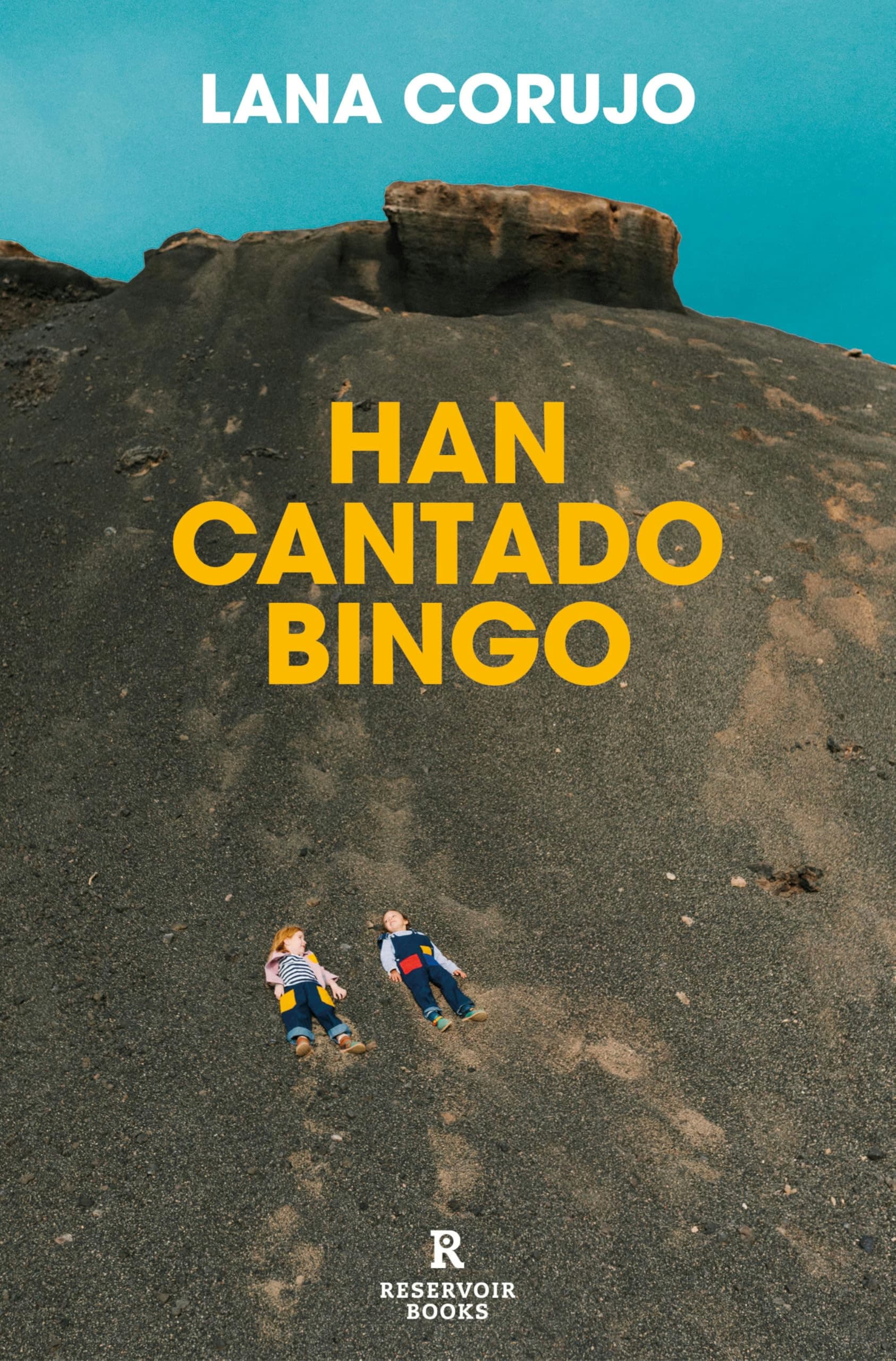
Prices can sometimes be lower on bigger marketplaces, but this link helps independent bookstores and local reading communities.
Quick Verdict
Han cantado bingo by Lana Corujo is a devastating, genre-defying novel that transforms childhood trauma into something achingly beautiful. This is a book that demands to be read with tissues nearby and a willingness to sit with genuine emotional complexity. If you're searching for a Han cantado bingo review that doesn't sugarcoat the experience: this novel will wreck you in the best possible way, but it's not for readers seeking comfort or conventional narrative structure.
What You're Actually Getting Into
Lana Corujo's debut operates on an ingenious structural conceit: fifteen numbers from a bingo card become the framework for fifteen moments across the protagonist's life, each chapter marked by her age during that particular memory. What sounds gimmicky becomes profoundly moving in execution. The novel opens with two sisters sneaking out during the ten suspended minutes before their grandmother returns from bingo, running to El Ahorcado—a volcanic crater—before dashing back without looking behind them.
But one night, everything changes. What begins as a ritualistic escape becomes the hinge point for a family's unraveling, one that spirals backward and forward through generations. This isn't a plot-driven narrative in the traditional sense. Instead, Corujo crafts something closer to a fever dream of memory—fragmented, non-chronological, and deliberately disorienting in ways that mirror how trauma actually works in human consciousness.
The Writing That Stops You Cold
The prose here is the book's greatest weapon. Corujo doesn't write conventionally, and that's precisely why Han cantado bingo cuts so deep. Her language is playful and cruel simultaneously, tender and brutal in the same sentence. She dismantles conventional syntax not to show off, but because the subject matter demands it. When describing the relationship between two sisters, the narrator moves between devotion and resentment, love and suffocation, in ways that feel utterly authentic to sibling dynamics.
The Canary Islands setting—specifically Lanzarote—becomes almost another character. The volcanic landscape, the verbenas, the humble neighborhoods where these characters are trapped by circumstance and family obligation, all emerge as both prison and home. Corujo writes about place with the specificity of someone who knows it in their bones, not through tourism or research.
Compare this to other contemporary Spanish literary fiction like Carmen Mola's work or even the emotional excavation in Almudena Grandes' novels—Corujo is operating in similar territory but with a voice that's distinctly her own. She's less interested in grand historical narratives than in the micro-traumas that define ordinary families.
Where This Novel Absolutely Succeeds
The emotional authenticity is staggering. Readers report finishing this book and immediately embracing it like a person, not an object. That's not hyperbole—it speaks to how completely Corujo inhabits the interior world of her protagonist. The exploration of inherited trauma, of how violence passes through families like a genetic marker, feels unflinching and honest.
The portrayal of sisterhood is perhaps the novel's most revolutionary element. Rather than romanticizing the bond, Corujo shows it as something more complicated: a relationship where love coexists with envy, where protection can feel like suffocation, where shared secrets create both intimacy and isolation. The sisters aren't defined by their connection to each other—they're defined by what they've witnessed together, by the silence they've agreed to keep.
The magical realism elements—hints of a family gift or curse that defies rational explanation—work brilliantly because they're never explained or justified. They exist in the margins of the narrative, neither central nor dismissible. This approach feels more honest to how trauma survivors actually experience their lives: with unexplained intuitions, mysterious compulsions, and moments that seem to exist outside normal reality.
The Genuine Challenges
This novel is not an easy read, and that's a feature, not a bug—but it's worth acknowledging upfront. The non-chronological structure, while thematically appropriate, can feel disorienting. Some readers will experience this disorientation as brilliant mimicry of how memory works; others will find it frustrating. There's no middle ground here.
The pacing is deliberately slow, even in moments of high emotional stakes. Corujo prioritizes atmospheric intensity over plot momentum. If you're someone who needs clear narrative propulsion and resolution, this book will test your patience. The ending doesn't provide the kind of catharsis some readers crave—instead, it offers something more like acceptance or resignation, which is arguably more realistic but potentially less satisfying.
The darkness is relentless. There are moments of beauty and even humor, but they're always shadowed by the weight of what these characters carry. Readers with particular sensitivities to family violence, childhood trauma, or grief should approach this knowing what they're entering.
Who Should Actually Read This
This book is essential for readers who loved the emotional intensity of The Vegetarian by Han Kang or the family dysfunction explored in The House of the Spirits by Isabel Allende, but want something more contemporary and linguistically inventive. It's perfect for anyone interested in how Spanish literature is evolving—this is the kind of debut that announces a significant new voice.
You should read Han cantado bingo if you're interested in: complex female relationships, literary experimentation that serves the story rather than overshadowing it, trauma narratives that avoid both sentimentality and clinical detachment, or simply stunning prose in any language.
You should probably skip it if you: need clear narrative structure and chronological storytelling, prefer plot over character exploration, struggle with reading about family violence or childhood suffering, or want your literature to provide comfort rather than challenge.
The Verdict: 9/10
Lana Corujo's Han cantado bingo is a remarkable achievement—a novel that proves debut authors can arrive fully formed with a distinctive vision and the technical skill to execute it. This is essential contemporary Spanish literature that deserves international translation and recognition. The book's 4.29-star rating across thousands of readers reflects its polarizing nature: it's not universally beloved, but it's genuinely important. It's the kind of novel that sits with you long after the final page, that makes you reconsider your own family stories and inherited wounds. Is Han cantado bingo worth reading? Absolutely—but only if you're prepared for it to change how you think about sisterhood, trauma, and the stories we tell ourselves about survival.