Category:
Book ReviewsGray After Dark Review: Brutal, Unputdownable, Deeply Disturbing
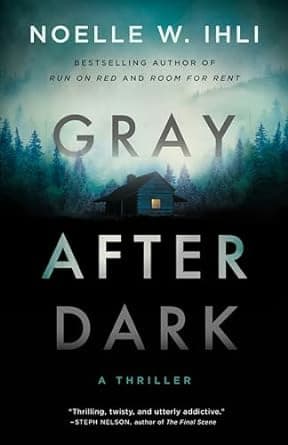
Noelle W. Ihli's Gray After Dark is a psychological thriller that refuses to look away from horror. It's the kind of book that polarizes readers completely—some devour it in a single sitting while others abandon it halfway through, overwhelmed by its relentless darkness. This isn't a gentle thriller with clever twists and satisfying resolutions. It's a harrowing survival story inspired by the 1984 abduction of Olympic biathlete Kari Swenson, and it reads like a nightmare you can't wake from.
The Setup: Promise and Peril
Miley Petrowski is a biathlon athlete recovering from a career-threatening injury, determined to return to Olympic competition. She takes a summer job at a remote mountain lodge in the Frank Church Wilderness of Idaho—thousands of acres of pristine, isolated terrain perfect for training. The setting is breathtaking and treacherous in equal measure. Within days of her arrival, Miley is abducted during a morning run by two deranged men living off-grid in the wilderness. What follows is weeks of captivity, psychological torment, and a desperate fight for survival.
The premise alone is gripping, but Ihli's execution transforms it into something genuinely unsettling. Knowing this Gray After Dark review is based on real events—that Kari Swenson actually experienced something similar—adds a layer of dread that fictional thrillers rarely achieve. The author has taken historical tragedy and crafted a narrative that respects the horror without exploiting it.
Writing That Commands Attention
Ihli's prose is deliberately paced to maximize tension. Short chapters, cliffhangers, and relentless forward momentum make this book nearly impossible to put down. Readers consistently report finishing it in a single sitting or across just a few hours. The audiobook narration is particularly praised, with listeners noting how the audio format intensifies the claustrophobic atmosphere.
The author's dialogue is naturalistic and unsettling. The captors aren't cartoon villains spouting monologues—they're disturbingly real, driven by twisted logic and genuine malice. Ihli captures the psychological dynamics of captivity with uncomfortable accuracy: the small moments of false kindness, the escalating threats, the manipulation that makes victims question their own survival instincts.
The writing style is clinical enough to feel authentic but emotional enough to keep readers invested in Miley's perspective. This balance is harder to achieve than it appears, and Ihli executes it masterfully.
What Works: The Relentless Tension
Miley is a genuinely compelling protagonist. She's not a passive victim waiting for rescue—she's athletic, strategic, and willing to take calculated risks. Her biathlon background becomes integral to survival, lending the narrative an authenticity that separates it from generic hostage thrillers. Readers root for her not because they have to, but because her resourcefulness feels earned.
The wilderness itself functions as a character. The Frank Church Wilderness is genuinely remote—over 2.3 million acres with minimal cell service or human presence. Ihli uses this isolation effectively, making escape feel simultaneously possible and impossible. The geography becomes both prison and potential salvation.
The psychological complexity of captivity is handled with disturbing realism. Ihli doesn't shy away from Stockholm syndrome, trauma bonding, or the cognitive dissonance victims experience. These elements make Gray After Dark feel less like entertainment and more like documentation of genuine psychological horror.
What Doesn't Land: Predictability Within the Terror
Some readers note that despite its intensity, the plot follows fairly predictable thriller beats. If you've read similar survival narratives—particularly hostage thrillers—you'll anticipate major plot points. The ending, while satisfying, doesn't deliver the narrative surprise that distinguishes exceptional thrillers from very good ones.
The characterization of Miley's teammates and her relationship with Brent feels underdeveloped. These threads exist primarily to establish stakes rather than explore complex relationships. Some readers found themselves wanting more depth in these supporting characters, though this criticism feels minor given the book's singular focus on survival.
For readers seeking psychological puzzle-boxes or elaborate mysteries, Gray After Dark may feel straightforward. This isn't a book about solving a crime or unraveling a conspiracy. It's about surviving an ordeal, and that distinction matters.
The Trigger Warning Reality
This book contains graphic depictions of violence, sexual assault, kidnapping, torture, animal cruelty, and severe psychological abuse. These aren't background details—they're central to the narrative. The content warnings aren't marketing; they're essential information. Multiple readers reported considering DNF (Did Not Finish) status but pushing through because the writing compelled them forward.
This is simultaneously the book's greatest strength and most significant barrier to entry. The difficulty of reading Gray After Dark is intentional. It forces readers to confront violence and trauma rather than consuming it as entertainment. That's either profoundly meaningful or simply too much, depending on your tolerance for psychological horror.
Who Should Read This
Perfect for: Readers who love intense psychological thrillers like Room or The Girl in the Basement. Fans of survival narratives with strong female protagonists. People interested in true crime who want fictionalized exploration of real events. Book club readers seeking challenging, discussion-worthy material. Anyone comfortable with dark subject matter who values authentic tension over clever plotting.
Skip this: Readers seeking escapist entertainment or cozy mysteries. Anyone with trauma related to kidnapping, sexual assault, or violence who needs lighter reads. Thriller fans exclusively interested in puzzle-box plots or elaborate twists. Readers who prefer their antagonists to be complex or sympathetic.
The Verdict: Worth Reading, But Not for Everyone
Is Gray After Dark worth reading? That depends entirely on what you want from fiction. If you're seeking a masterfully written psychological thriller that prioritizes authentic terror over clever plotting, absolutely yes. Ihli has created something genuinely disturbing and deeply engaging. The 4.17-star rating across over 130,000 readers reflects genuine quality, not inflated hype.
But this isn't a book to recommend lightly. It's brutal, uncompromising, and emotionally exhausting. The true-story inspiration adds weight that fictional thrillers rarely carry. Readers finish this book changed—either deeply affected by its power or frustrated by its relentless darkness.
Noelle W. Ihli's Gray After Dark is exceptional thriller writing in service of a story that demands to be told. It's not the most innovative narrative you'll read, but it's one of the most effectively terrifying. The real question isn't whether it's good—it clearly is. The question is whether you're prepared for what it demands.
Final Thoughts
The audiobook format comes particularly recommended if you choose to read this. The narration enhances the immersive, claustrophobic atmosphere. Whether you consume it via print, ebook, or audio, approach Gray After Dark with awareness of its content and prepared for an experience that will likely stay with you long after the final page.