Category:
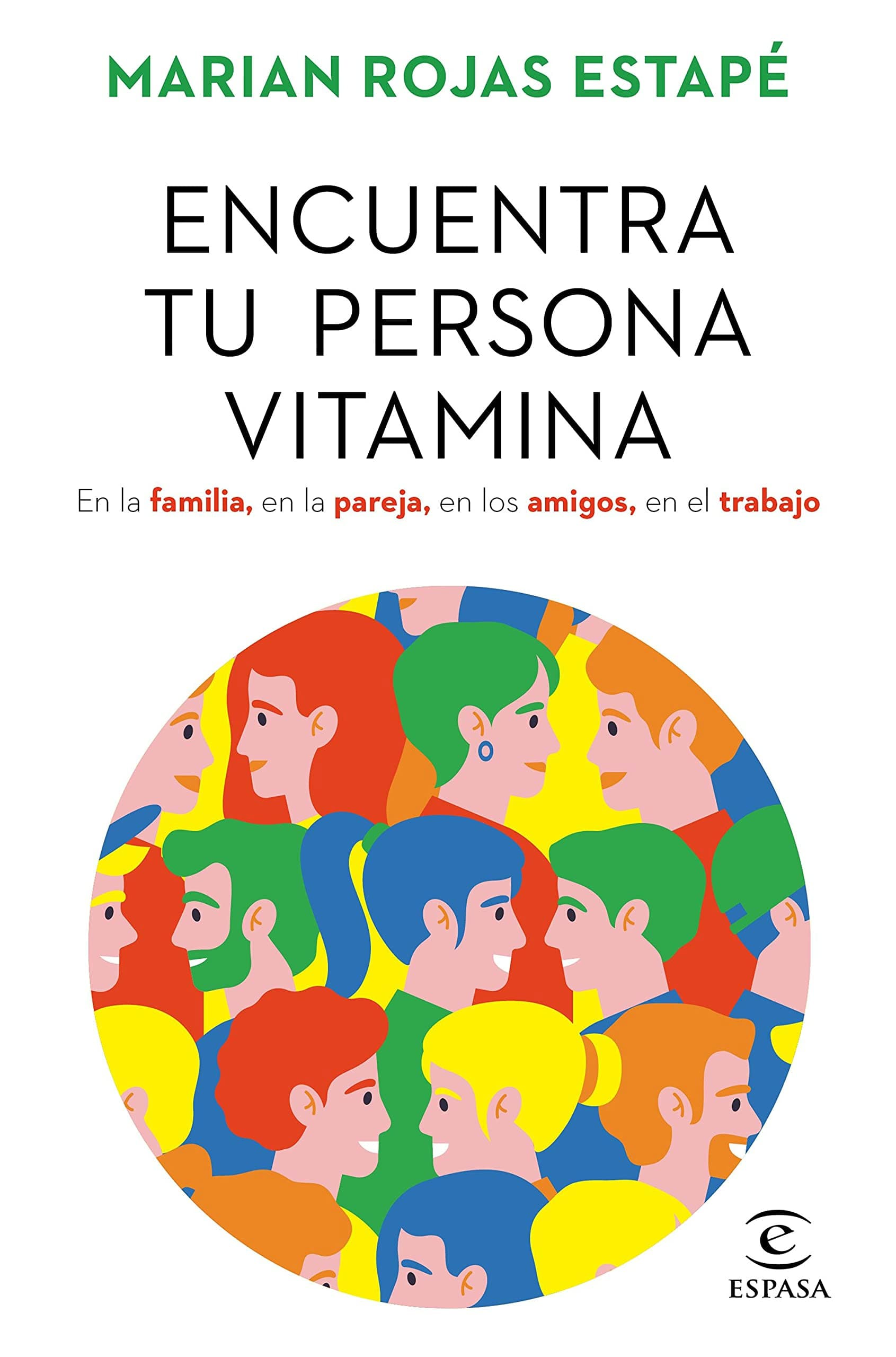
Book ReviewsEncuentra tu persona vitamina Review: Brilliant Science, Problematic Bias
Prices can sometimes be lower on bigger marketplaces, but this link helps independent bookstores and local reading communities.
Marian Rojas Estapé's Encuentra tu persona vitamina arrives with genuine scientific credentials and a compelling premise: that our relationships are shaped by biochemistry, attachment theory, and early emotional wounds. The book has resonated with over 13,000 readers, earning a solid 4.03/5 rating. Yet beneath the neuroscience and warm prose lies a troubling conservatism that undermines much of its value.
The central thesis is sound. Rojas Estapé, a psychiatrist, explores how oxytocin, attachment styles, and parental influence create patterns we carry into adulthood. She argues convincingly that understanding our "vitamin people"—those who inspire trust, offer support, and bring out our best selves—is essential to psychological wellbeing. This framework resonates because it's both scientifically grounded and emotionally intuitive.
What This Book Actually Delivers
The psychological content is accessible without being reductive. Rojas Estapé translates complex neuroscience into digestible concepts: how childhood attachment shapes adult relationships, why we repeat emotional patterns, how trust is biochemically encoded. The writing flows naturally, avoiding the jargon-heavy trap that snares many psychology books.
The book excels at normalizing therapy and emotional introspection. In Spanish-language markets where mental health stigma remains high, this mainstream validation matters. Her emphasis on understanding your emotional history before choosing partners is genuinely useful advice—the kind that could spare readers years of painful relationships.
Personal anecdotes and case studies ground the theory effectively. You see how a dismissive parent creates an anxious adult, how early abandonment shapes trust issues, how secure attachment in childhood predicts relationship success. These aren't revelations, but they're presented with clarity and compassion.
The Elephant in the Room: Whose Relationships Count?
Here's where Encuentra tu persona vitamina becomes genuinely problematic. The book operates within an almost exclusively heterosexual framework. Nearly every relationship example features a man and woman. Same-sex partnerships? Essentially invisible. LGBTQ+ family structures? Not mentioned. This isn't accidental—it's a systematic erasure.
For a psychiatrist writing in 2023 about attachment and love, this omission is indefensible. It suggests either that Rojas Estapé doesn't treat LGBTQ+ patients (unlikely, given her client volume) or that she considers their relationships outside her scope of expertise (revealing). The message to readers is clear: your relationship doesn't fit the model this book describes.
Worse is the relentless emphasis on motherhood and biological children as markers of relational completion. The book consistently frames parenthood as the natural culmination of partnership. Women without children? Incomplete. Couples choosing childlessness? Not really addressed. Single parents and blended families receive minimal attention. This creates a subtle but powerful narrative: the "right" relationship produces children, preferably within a traditional structure.
The Conservatism Problem
Multiple readers noted an underlying puritanism that feels dated. Rojas Estapé's own background—she's affiliated with Opus Dei, a conservative Catholic organization—clearly shapes her values. That's not inherently disqualifying, but when those values are presented as psychological science rather than cultural preference, it becomes misleading.
The distinction matters enormously. A book that said "here's how secure attachment works, and here's how my Catholic worldview influences my recommendations" would be honest. Instead, universal psychological principles are illustrated almost exclusively through heterosexual, family-focused scenarios. It's like writing a nutrition book where every example involves beef—and never acknowledging that vegetarians exist.
Where the Science Gets Thin
While the oxytocin and attachment research is legitimate, the book sometimes oversimplifies. Oxytocin is presented almost as a magic molecule, when neuroscience understands it as far more complex. The suggestion that certain family structures or relationship types are inherently more conducive to healthy oxytocin production isn't strongly supported.
The writing also relies heavily on common sense repackaged as insight. "Understand your childhood wounds to choose better partners"—true, but not exactly groundbreaking. Some readers felt the book padded these concepts across 300 pages when a 100-page essay would suffice. The core ideas are solid; the execution sometimes feels repetitive.
Who Should Actually Read This
Read this book if: You're new to attachment theory and want an accessible introduction. You're Spanish-speaking and seeking mental health validation. You're in a traditional relationship structure and want to understand your attachment patterns. You appreciate Rojas Estapé's earlier work and want continuity.
Skip this book if: You're LGBTQ+ and want your relationships reflected in psychological literature. You're childfree and tired of implicit messaging that you're missing something. You want cutting-edge psychology rather than well-presented fundamentals. You value inclusive representation in self-help literature.
The Verdict
Encuentra tu persona vitamina succeeds as an introduction to attachment psychology for a specific audience. The science is sound, the writing is warm, and the core message—that understanding your emotional history improves your relationships—is valuable.
But this book is also a time capsule of conservative Spanish values presented as universal psychology. The systematic erasure of LGBTQ+ relationships and the relentless focus on traditional family structures aren't peripheral issues—they're central to how the book frames human connection.
You can learn useful things from this book. Just understand that its framework is narrower than it claims, and its assumptions reflect a particular worldview rather than psychological science. If that framework matches yours, you'll find it helpful. If it doesn't, you'll spend 300 pages feeling subtly excluded from a book about human connection.
The real vitamin people in your life might not fit Rojas Estapé's template. That says more about the book's limitations than about your relationships.
Final Thoughts
This Encuentra tu persona vitamina review lands on a fundamental tension: good psychological content wrapped in outdated cultural assumptions. It's useful without being essential, accessible without being profound, and limiting despite its ambitions. The 4-star rating reflects readers who found value within its scope, not readers who found it universally applicable.
If you're seeking an entry point to attachment theory and you fit the book's implicit audience, it's worth reading. If you're looking for psychology that reflects the actual diversity of human relationships, you'll want something more inclusive.