Category:
Book ReviewsEmpire of Pain Review: Investigative Journalism at Its Finest
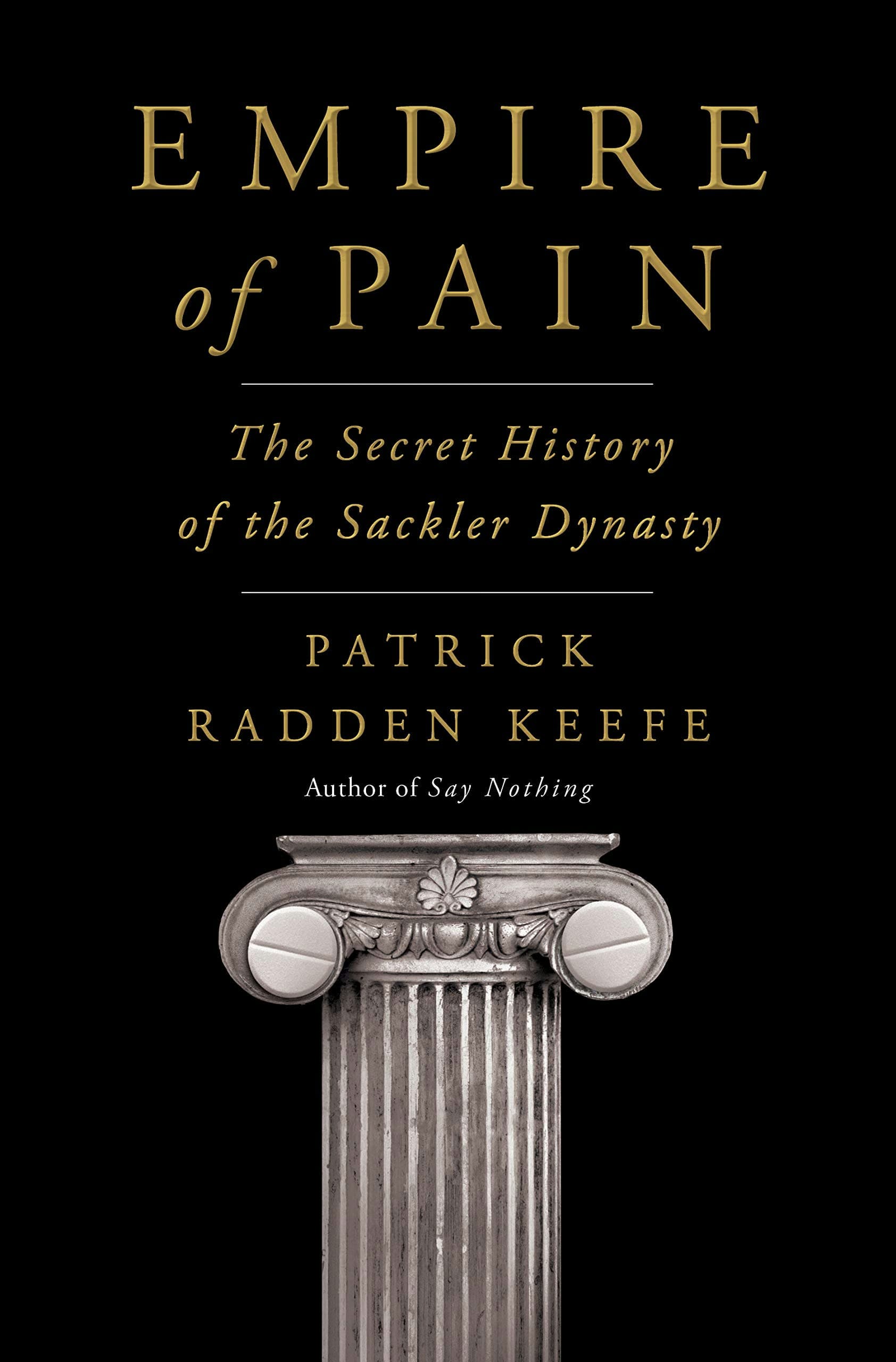
Prices can sometimes be lower on bigger marketplaces, but this link helps independent bookstores and local reading communities.
Patrick Radden Keefe's Empire of Pain: The Secret History of the Sackler Dynasty is not just a book about a wealthy family—it's a meticulously researched indictment of how institutional power, moral bankruptcy, and systemic complicity can devastate millions of lives. This is investigative nonfiction that reads like a thriller, except every infuriating detail is true.
Keefe's Empire of Pain review in the literary community has been overwhelmingly positive, and deservedly so. The book exposes how the Sackler family, whose name graces the walls of Harvard, the Metropolitan Museum of Art, Oxford, and the Louvre, built their vast fortune on deception, aggressive pharmaceutical marketing, and calculated negligence regarding one of America's worst public health crises: the opioid epidemic.
What This Book Actually Uncovers
The central narrative is already familiar to many: Purdue Pharma, owned by the Sacklers, aggressively marketed OxyContin as a non-addictive painkiller while internal documents revealed the family knew it was highly addictive and deadly. But Keefe doesn't simply rehash what we already know about the opioid crisis.
Instead, he traces three generations of Sacklers, beginning with brothers Arthur, Mortimer, and Raymond in the mid-20th century. By examining their early pharmaceutical ventures and philanthropic philosophy, Keefe reveals how the family's obsession with profit, secrecy, and legacy-building created the moral framework that would eventually lead to OxyContin's catastrophic rollout.
The book is particularly devastating when documenting the family's deliberate obfuscation. While their names adorned prestigious institutions worldwide, the Sacklers spent enormous resources obscuring their ties to the pharmaceutical industry. Keefe's reporting reveals the ocean-spanning lengths they went to maintain plausible deniability—even as evidence of addiction and overdose deaths mounted.
The Writing: Narrative Nonfiction as Page-Turner
Keefe's prose is relentless and propulsive. He transforms what could have been a dense, weeds-filled corporate narrative into something genuinely unputdownable. The book opens with momentum and sustains it across hundreds of pages of complex, interconnected details without losing narrative coherence.
What makes this technically impressive is that Keefe balances granular pharmaceutical industry details with human-scale storytelling. He doesn't get bogged down in regulatory minutiae; instead, he uses specific incidents—like Richard Sackler's chilling email response to 59 deaths ("This is not too bad. It could have been far worse")—to crystallize the family's moral indifference.
The pacing allows readers unfamiliar with the opioid crisis to understand its complexity, while those who've read previous books on the subject find fresh angles and previously undisclosed details. This is the hallmark of excellent investigative journalism: it makes the familiar feel newly urgent.
Where Empire of Pain Succeeds Most
The book's greatest strength is its refusal to simplify systemic corruption into a single villain narrative. Yes, the Sacklers are culpable—profoundly so. But Keefe carefully documents how the FDA approved OxyContin, how doctors were misled by aggressive sales tactics, how politicians looked the other way, and how the legal system ultimately failed to hold anyone meaningfully accountable.
This nuanced approach prevents the book from becoming a morality play and instead reveals something more troubling: how institutions protect the wealthy and powerful even when evidence of harm is overwhelming. The Sacklers didn't act in isolation; they operated within systems that enabled and protected them.
Another strength is Keefe's use of primary sources and on-the-record interviews. The book feels authoritative because it is authoritative—built on years of reporting, court documents, and conversations with people directly affected by OxyContin's marketing and distribution.
Potential Weaknesses and Limitations
Some readers may find the scope occasionally overwhelming. With three generations of Sacklers and multiple business ventures to track, the book sometimes requires sustained attention. Those seeking a tighter, more focused narrative—say, exclusively about OxyContin's rise—might wish for more streamlining.
Additionally, while Keefe excels at documenting what happened, some readers may want deeper psychological exploration of why the Sacklers made their choices. The book presents their actions clearly but doesn't always venture into the interior motivations beyond greed and legacy-building.
The ending, while powerful, doesn't provide the cathartic resolution some readers crave. The Sacklers largely escaped serious legal consequences, and the family's wealth remained largely intact. This reflects reality but may frustrate readers seeking narrative justice.
Who Should Read This Book
Perfect for: Readers interested in true crime, corporate malfeasance, and systemic corruption. If you've read Erik Larson's The Devil in the White City or enjoyed similar narrative nonfiction that exposes institutional failures, Empire of Pain belongs on your shelf. It's essential reading for anyone working in healthcare, policy, journalism, or law. Those concerned about pharmaceutical industry practices will find this eye-opening.
Proceed with caution if: You're seeking light, uplifting reading. This book is emotionally draining—by design. If detailed descriptions of addiction, overdose, and suffering are triggering, be aware that Keefe doesn't shy away from the human cost. Those who strongly defend pharmaceutical companies or prefer to avoid "negative" corporate narratives may find this uncomfortable.
How It Compares to Similar Works
Unlike Beth Macy's Dopesick, which focuses more on rural communities affected by the opioid crisis, Keefe's Empire of Pain centers the Sackler family and pharmaceutical industry mechanics. It's broader in scope but more narrowly focused on one family's role.
Compared to John Carreyrou's Bad Blood (about Theranos), Empire of Pain covers a longer timespan and more diffuse set of actors, making it more complex but also more representative of how systemic corruption actually functions—not through one charismatic fraudster, but through institutional complicity.
The Verdict
Empire of Pain: The Secret History of the Sackler Dynasty by Patrick Radden Keefe is an essential work of investigative journalism that reads with the momentum of a thriller. Is Empire of Pain worth reading? Absolutely—it's one of the most important nonfiction books of the past decade.
Keefe has produced something rare: a book that is simultaneously rigorous, accessible, morally urgent, and narratively gripping. It exposes not just one family's crimes but the systemic failures that enabled them. Your soul may curdle from reading it, but your understanding of how power, money, and institutional negligence intersect will be permanently altered.
The Empire of Pain review landscape has been dominated by five-star ratings for good reason. This is nonfiction at its finest—meticulously reported, beautifully written, and impossible to ignore.
Final Score: 9.5/10 — Essential reading that combines rigorous reporting with narrative brilliance, though some readers may wish for tighter focus or deeper psychological exploration.