Category:
Book ReviewsDust to Dust Review: A Radical Reframing of Aging
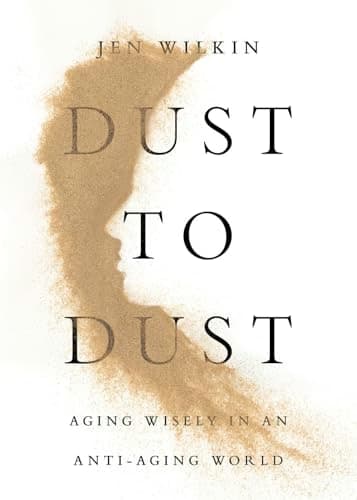
Prices can sometimes be lower on bigger marketplaces, but this link helps independent bookstores and local reading communities.
Jen Wilkin's Dust to Dust: Aging Wisely in an Anti-Aging World arrives as a counterculture manifesto dressed in theological clothing. This isn't a self-help book about staying young or fighting the inevitable. Instead, Wilkin—a bestselling author known for her incisive biblical scholarship—dismantles the cultural mythology that aging equals decline and irrelevance. The result is a book that makes readers simultaneously uncomfortable and transformed, which is precisely what makes it matter.
The central thesis is deceptively simple: Western culture has sold us a lie about aging, and the church has largely accepted it without question. We treat aging as a problem to be solved rather than a season to be inhabited. Wilkin argues that Scripture reveals an entirely different pattern—one where life's second half carries increasing value, not diminishing worth. This isn't nostalgia or resignation. It's a direct challenge to the $68 billion anti-aging industry and the anxiety it manufactures.
What This Book Actually Does
Wilkin structures Dust to Dust using a chiastic framework—imagine an arch that rises and then descends in near-parallel symmetry. This poetic device mirrors life itself: the first years and final years echo each other; early caregiving mirrors late-life dependence; youthful potential mirrors elder wisdom. The metaphor isn't merely decorative. It fundamentally reorients how readers think about their entire lifespan.
The book moves through concrete life stages with theological precision. Wilkin examines body image across decades, the dignity of elderly parents, the economic and spiritual weight of caregiving, and what it means to steward time when you're acutely aware of its limits. She doesn't pretend aging is painless. Bodies do decline. Abilities do diminish. But here's where Wilkin's argument cuts deepest: people develop. The physical descent doesn't negate spiritual and relational ascent.
What makes this approach radical is that Wilkin refuses the comfort of false balance. She doesn't say "aging has pros and cons." She says the world's narrative about aging is fundamentally false, and we need to replace it wholesale with a biblical one. That takes courage, especially in a market saturated with books promising to slow, reverse, or deny the aging process entirely.
Why Readers Are Moved (and Sometimes Shaken)
The reader response to this book is strikingly unanimous—4.77 out of 5 stars across 258 ratings—but the emotional intensity varies. Some readers describe laughing, crying, and repeatedly interrupting their partners to read passages aloud. Others report feeling "deeply humbled" and "sobering." This isn't neutral territory.
The book's power lies in its refusal to let younger readers off the hook. Wilkin doesn't write for the elderly; she writes for everyone, forcing 30-year-olds to confront questions they've actively avoided: How do I want to be treated when I'm old? Am I viewing elder relatives as burdens or image-bearers? Have I been squandering time as though I have infinite amounts of it?
Readers consistently note that Wilkin backs her arguments with research and statistics that surprise them. The demographic shift toward an aging population isn't abstract—it's reshaping society, and the church remains largely silent. Wilkin breaks that silence with data alongside Scripture, which gives the book unusual credibility.
The chiastic structure itself resonates deeply with readers. It's not a linear self-help progression but rather a mirror that reflects your life back at you. One reader described it as "easy to follow yet thought-provoking," which is harder to achieve than it sounds. Wilkin manages to be both intellectually rigorous and emotionally accessible.
The Writing and Structure
Wilkin's prose style is measured and poetic without becoming flowery. She's known for clear theological writing, and that clarity serves her well here. The book doesn't rush. It meditates. Sentences are often short enough to land with force, but paragraphs develop ideas fully enough that you feel genuinely informed, not manipulated.
The chiastic framework could have been gimmicky, but Wilkin uses it as genuine architecture rather than decoration. Each parallel section illuminates the other. The structure becomes the argument. This is sophisticated writing that never feels overwrought.
One potential limitation: readers who received the e-ARC noted missing graphs and visual representations of the chiastic structure. In the final print edition, these visual aids likely enhance understanding. Without them, some readers might struggle with the spatial metaphor, though most found they "got the gist" regardless.
Where the Book Lands Differently
While the overwhelmingly positive reception suggests universal appeal, this book isn't equally suited to every reader. Those seeking practical tips for "aging well" in the wellness sense—exercise routines, skincare, productivity hacks—will find this book frustratingly resistant to that framing. Wilkin isn't interested in optimizing aging; she's interested in redeeming it theologically.
Readers expecting a memoir or personal narrative will also find themselves disappointed. This is theological meditation grounded in Scripture, not a first-person account of Wilkin's own aging. The book is about framework, not autobiography.
The book also assumes Christian faith as its foundation. Secular readers or those from non-Christian traditions won't find Dust to Dust hostile, but they'll recognize they're reading specifically Christian theology. This isn't a weakness—it's honest positioning. The book knows its audience and doesn't pretend otherwise.
Who Should Actually Read This
This book is essential for anyone in active caregiving roles—adult children managing aging parents, spouses navigating changing abilities, church leaders designing ministries for older adults. It's equally vital for younger readers who haven't yet felt aging's weight but will benefit from shifting their perspective now.
If you're wrestling with mortality, mortality anxiety, or the cultural messaging that aging equals obsolescence, this book speaks directly to those concerns. If you've ever caught yourself viewing an elderly parent as a "burden" or a "problem to solve," Wilkin's reframing will challenge you productively.
This is also the kind of book that works beautifully in community. Readers mention wanting to discuss it with mentors, friends, and study groups. It generates conversation. It changes how people think about time, family, and dignity.
Comparing to Similar Works
If you've read books like The Gifts of Imperfection by Brené Brown or Braiding Sweetgrass by Robin Wall Kimmerer, you understand the appeal of writers who challenge cultural narratives through poetic frameworks. Wilkin's approach is similarly countercultural but distinctly theological.
Unlike books that focus narrowly on elder care logistics or grief processing, Dust to Dust tackles the philosophical and spiritual foundation of how we think about aging itself. It's closer in scope to works like Being Mortal by Atul Gawande, which also interrogates cultural assumptions about aging and dying—but Wilkin approaches from explicitly theological ground rather than medical ethics.
Is This Book Worth Reading?
Yes. Unambiguously. Dust to Dust is the rare book that changes how you live, not just what you think. Readers report that mundane moments—a child asking for one more hug before bed—become sweeter and more precious after reading this book. That's not marketing language; that's transformation.
The book won't comfort you if you're seeking validation for anti-aging pursuits. But if you're ready to interrogate the cultural lies about aging and replace them with something true, beautiful, and biblical, this book is exactly what you've been waiting for. Jen Wilkin has written the book on aging that the contemporary church desperately needed.
Final Verdict
This book earns its exceptional ratings because it does something rare: it combines intellectual rigor with emotional honesty, theological depth with practical application, and challenging truth-telling with genuine hope. It's not comfortable, but it's necessary.