Category:
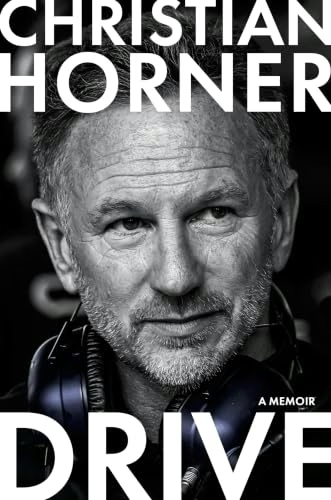
Book ReviewsDrive by Christian Horner Review: Brutally Honest F1 Memoir
Prices can sometimes be lower on bigger marketplaces, but this link helps independent bookstores and local reading communities.
Christian Horner's Drive is a rare memoir that refuses to play it safe—which is fitting for a man who built his entire career on the motto "No Risk, No Fun." This isn't a sanitized behind-the-scenes tour of Formula 1. Instead, Horner delivers a provocative, occasionally uncomfortable account of two decades leading Red Bull Racing from a struggling acquisition into a multi-billion-pound dynasty. The Drive review landscape reveals a fascinating split: F1 devotees find it compulsively readable, while some critics argue Horner conveniently sidesteps his most controversial moments.
The central tension of this book is unavoidable: Horner is ruthlessly candid about everyone except himself. He skewers rivals, exposes power struggles, and names names—yet when it comes to the 2024 scandal that forced him to step back from day-to-day operations, he goes silent. That selective transparency is the book's most revealing flaw, and it raises questions about whether we're reading a genuine memoir or a carefully constructed PR document.
What This Book Actually Delivers
Drive traces Horner's improbable rise from a young racing driver with modest prospects to the youngest team principal in F1 history. He was just 31 when Dietrich Mateschitz, Red Bull's visionary founder, appointed him to rescue the floundering Jaguar team. The early chapters capture genuine drama: the uncertainty, the skepticism from the paddock, the pressure of proving that an energy drink company had no business in motorsport's elite tier.
What makes this narrative compelling is Horner's willingness to expose the psychological toll. He doesn't hide the anxiety of managing billion-pound operations with millimeter margins for error. The race-day decision-making sections—where a single call determines victory or defeat—feel authentically tense. Horner conveys the weight of those moments in ways that transcend typical sports memoir territory.
The book's strongest material explores his collaborations with legendary figures: the complex dynamic with Adrian Newey (F1's greatest aerodynamicist), the evolution of his relationships with drivers like Sebastian Vettel, Daniel Ricciardo, and Max Verstappen, and his partnership with his wife Geri Halliwell. These sections humanize what could have been a dry corporate success story.
Where the Memoir Gets Messy
Horner's Drive review reveals a critical problem: the author's credibility fractures when examining his own role in controversies. He's devastatingly frank about rivals' weaknesses and strategic missteps. Yet when discussing his own conflicts—particularly the high-stakes battles with Mercedes and Toto Wolff—the narrative becomes selective. He frames himself as the underdog outsmarting the establishment, which is compelling storytelling but questionable autobiography.
The most glaring omission is his treatment of the 2024 allegations and subsequent organizational changes. Horner acknowledges the year was "challenging" but refuses to engage substantively. For a book marketed as "candid and uncompromising," this feels like a significant retreat. It's the equivalent of a political memoir that discusses every scandal except the one that actually matters.
Dr. Helmut Marko receives particular scrutiny in these pages—Horner thanks him while simultaneously undermining his legacy and decision-making. It's a strange dynamic that suggests unresolved tension beneath the surface. Similarly, his treatment of certain team personnel feels more like settling scores than genuine reflection.
The Writing and Pacing
Horner's prose is accessible rather than literary. He doesn't attempt complex narrative architecture; instead, he moves chronologically through his career with occasional flashbacks. This straightforward approach works because the material itself is inherently dramatic. The book reads quickly—it's genuinely hard to put down—but it lacks the psychological depth of truly great sports memoirs.
Comparisons to other F1 autobiographies are instructive. Versus Lewis Hamilton's The Wins Come and Go, But the Memories Last Forever, Drive is less introspective but more strategically revealing. Versus Senna's classic Ayrton: The Autobiography, Horner's book is more about organizational leadership than personal transformation. It occupies its own lane: a team principal's perspective rather than a driver's.
The pacing occasionally drags when Horner gets into technical weeds about aerodynamic development or regulatory changes. These sections feel obligatory rather than organic—as if his editors insisted on including enough technical detail to satisfy hardcore F1 engineers.
What Actually Works in This Memoir
The book's greatest strength is its insider access. Horner provides genuine glimpses into decision-making moments that shaped the sport. His account of the 2021 Abu Dhabi finale (the Max Verstappen vs. Lewis Hamilton championship decider) is particularly gripping—you feel the chaos, the pressure, the split-second calls that determined history.
His relationship with Max Verstappen emerges as genuinely warm and respectful. Unlike his treatment of other figures, Horner's affection for Verstappen feels unguarded. This actually strengthens the book's credibility—it suggests Horner can be fair when he wants to be.
The early chapters about building Red Bull's culture are genuinely instructive for anyone interested in organizational leadership. How do you create a winning mentality? How do you attract world-class talent to an organization nobody takes seriously? These questions get real answers.
The 14 World Championship titles achieved under Horner's leadership represent an astonishing track record. Whether you credit that to his leadership, Adrian Newey's genius, driver talent, or Red Bull's financial resources, the results are undeniable. Drive makes a credible case that Horner's strategic vision and competitive ruthlessness were essential ingredients.
Who Should Actually Read This
Perfect for: Hardcore Formula 1 fans who want insider perspective, readers interested in sports leadership and organizational culture, anyone fascinated by how underdogs challenge established hierarchies, people who enjoyed other sports memoirs but want something more strategically focused than emotionally introspective.
Will frustrate: Readers seeking complete honesty and self-reflection, people looking for balanced analysis of recent F1 controversies, those who prefer literary sophistication over accessibility, readers who want to understand Horner's personal evolution rather than his professional achievements.
The Drive review consensus among dedicated F1 enthusiasts is overwhelmingly positive. They appreciate the access and the competitive insights. Casual readers might find it more specialized than expected—this is a book for people who care deeply about Formula 1's inner workings, not a general sports biography that transcends its subject.
The Honest Verdict
Drive is a compelling, readable memoir that delivers genuine insider perspective on Formula 1's most successful team of the modern era. Horner is a fascinating character—ambitious, competitive, politically astute, and occasionally ruthless. The book captures that complexity effectively.
But it's also a strategically constructed document that reveals as much through its silences as its revelations. Horner is candid about others' failures while remaining conveniently vague about his own. Is Drive worth reading? Absolutely—if you understand you're getting a compelling narrative rather than complete truth. It's a masterclass in sports leadership told by someone who's still playing the game and protecting his legacy.
The real question isn't whether this book is good. It's whether you can trust an autobiography written by someone with everything to gain from controlling the narrative. Drive never quite resolves that tension, and that unresolved conflict is exactly what makes it worth your time.