Category:
Book ReviewsCeremony by Brianna Wiest Review: Healing
Quick Verdict
Ceremony by Brianna Wiest is a polarizing collection of poetry and prose that lands powerfully for readers in emotional transition, but frustrates those seeking originality over affirmation. With a 4.36/5 rating across nearly 2,000 reviews, this book reveals a stark divide: devoted fans treat it as a spiritual companion, while skeptics dismiss it as repetitive self-help platitudes dressed in poetic language. The honest answer is that Ceremony works brilliantly for its intended audience—those ready to stop waiting and start healing—but offers little that feels groundbreaking if you've already spent time in the contemporary self-help and poetry space.
What This Book Actually Is
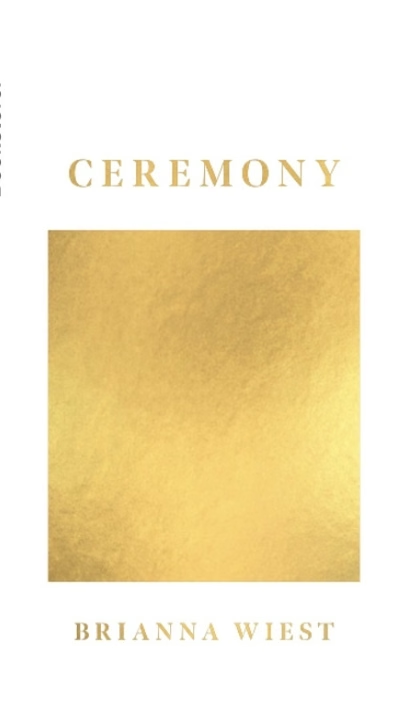
Brianna Wiest's Ceremony isn't a traditional narrative. It's a collection of interconnected essays, affirmations, and reflective poetry organized around the central thesis that other people are not meant to love us in the exact way we think they should—instead, they're meant to set up a healing ceremony where we learn to love ourselves. The book positions itself as a guide for those on the "cusp of becoming," exploring themes of self-love, acceptance, and the often-painful nature of genuine healing.
The structure works like a spiritual workbook you read in fragments rather than sequentially. You might pick it up during a crisis, find a passage that speaks directly to your current confusion, and feel momentarily understood. This is both the book's greatest strength and its most significant limitation.
The Writing Style: Intimate But Familiar
Wiest writes with an undeniable intimacy. Her prose feels like a conversation with someone who genuinely understands your doubts and fears. Lines like "the only way out is through" and "letting go is not the end, it is the beginning" carry weight because they're delivered without pretense. The language is accessible—deliberately so—which makes the book feel like a trusted friend rather than a distant authority.
However, this accessibility comes with a trade-off. The writing relies heavily on aphorisms and affirmations, which means repetition becomes inevitable. Several readers noted that while individual passages resonated deeply, the overall collection felt like variations on the same themes: you are enough, healing hurts, let go of what isn't yours, build from broken pieces. Compared to poets like Rupi Kaur (whose work Ceremony occasionally echoes), Wiest's collection lacks the surprising imagery or unexpected turns that make poetry memorable beyond its immediate emotional impact.
What Actually Works Here
The book's greatest achievement is its therapeutic timing. Readers consistently report opening Ceremony during specific moments of crisis—breakups, career transitions, identity confusion—and finding exactly the permission they needed. One reader described it as "a godsend" after an emotional breakdown; another found it perfectly aligned with a major life transition. This isn't coincidence; Wiest has deliberately written passages broad enough to apply to multiple situations, yet specific enough to feel personally addressed.
The collection also succeeds in reframing common struggles. The idea that "healing is not always pleasant, healing is painful, healing is human" normalizes the discomfort of growth. The assertion that closed doors might not contain anything special—that your "what ifs" might be distractions rather than missed opportunities—challenges the cultural narrative that we're always missing something better.
For readers new to self-help literature or poetry, Ceremony serves as an excellent entry point. It's short enough to finish quickly, accessible enough not to feel intimidating, and emotionally rewarding enough to justify the time investment. The book doesn't demand intellectual effort; it offers comfort and affirmation instead.
Where It Falls Short
The Ceremony review landscape reveals a consistent critique: this book doesn't break new ground. Readers who've engaged with contemporary self-help, spirituality, or affirmation-based poetry will recognize most of these ideas. The emphasis on self-love, acceptance, and releasing what isn't yours echoes through countless Instagram captions, TikTok affirmations, and bestselling self-help books published in the last decade.
The repetition becomes noticeable on deeper reading. While individual passages stand alone beautifully, reading through the collection sequentially reveals that Wiest circles back to similar themes: you contain infinite potential, others' love cannot define your worth, growth requires discomfort, you must choose your own path. For some readers, this repetition reinforces the message; for others, it feels like the author is padding a shorter, more powerful collection into book length.
There's also a tonal sameness that limits the book's range. Every passage aims for uplift and affirmation, which means there's no real darkness, complexity, or genuine anger here. Life isn't uniformly inspirational, and neither is healing. The book's relentless positivity, while comforting, can feel dishonest to readers seeking acknowledgment of messier emotional realities.
Who Should Actually Read This
Perfect for: Readers in active life transitions seeking affirmation and permission to move forward. People new to self-help or poetry looking for accessible entry points. Anyone who resonates with Wiest's previous work and wants more of the same. Individuals who read a few pages daily rather than cover-to-cover (the collection works better this way).
Skip it if: You've spent significant time with contemporary self-help literature or spirituality writing—you'll recognize most ideas. You want poetry that challenges through language, imagery, or philosophical complexity rather than emotional resonance. You're skeptical of affirmation-based approaches to healing and prefer psychology-grounded frameworks. You've read Rupi Kaur, Warsan Shire, or Ocean Vuong and are looking for comparable literary depth.
How It Compares to Similar Books
If you're deciding between Ceremony and other collections in this space, consider: Milk and Honey by Rupi Kaur offers more visual and structural innovation within the poetry format, though similar thematic territory. Brené Brown's The Gifts of Imperfection covers comparable self-acceptance themes with more research backing and practical exercises. Wiest's Ceremony sits comfortably between Instagram poetry and self-help, excelling at neither but succeeding at the intersection.
The Real Question: Is It Worth Reading?
Yes—if you're seeking comfort, affirmation, and permission during a difficult transition. No—if you're looking for originality, literary innovation, or psychological depth. Ceremony is fundamentally a book about timing and readiness. The same passages that feel revelatory to someone experiencing their first major heartbreak might feel obvious to someone who's already done significant emotional work. This isn't a flaw; it's the book's actual design.
The 4.36/5 rating reflects this reality. The five-star reviews come from readers who found exactly what they needed. The two-star reviews come from those who didn't. Both perspectives are valid.
Final Score: 7/10
Ceremony is a solid, well-intentioned collection that succeeds precisely at what it attempts—providing comfort and affirmation for readers in transition—but doesn't push beyond its intentions into anything more challenging or memorable.