Category:
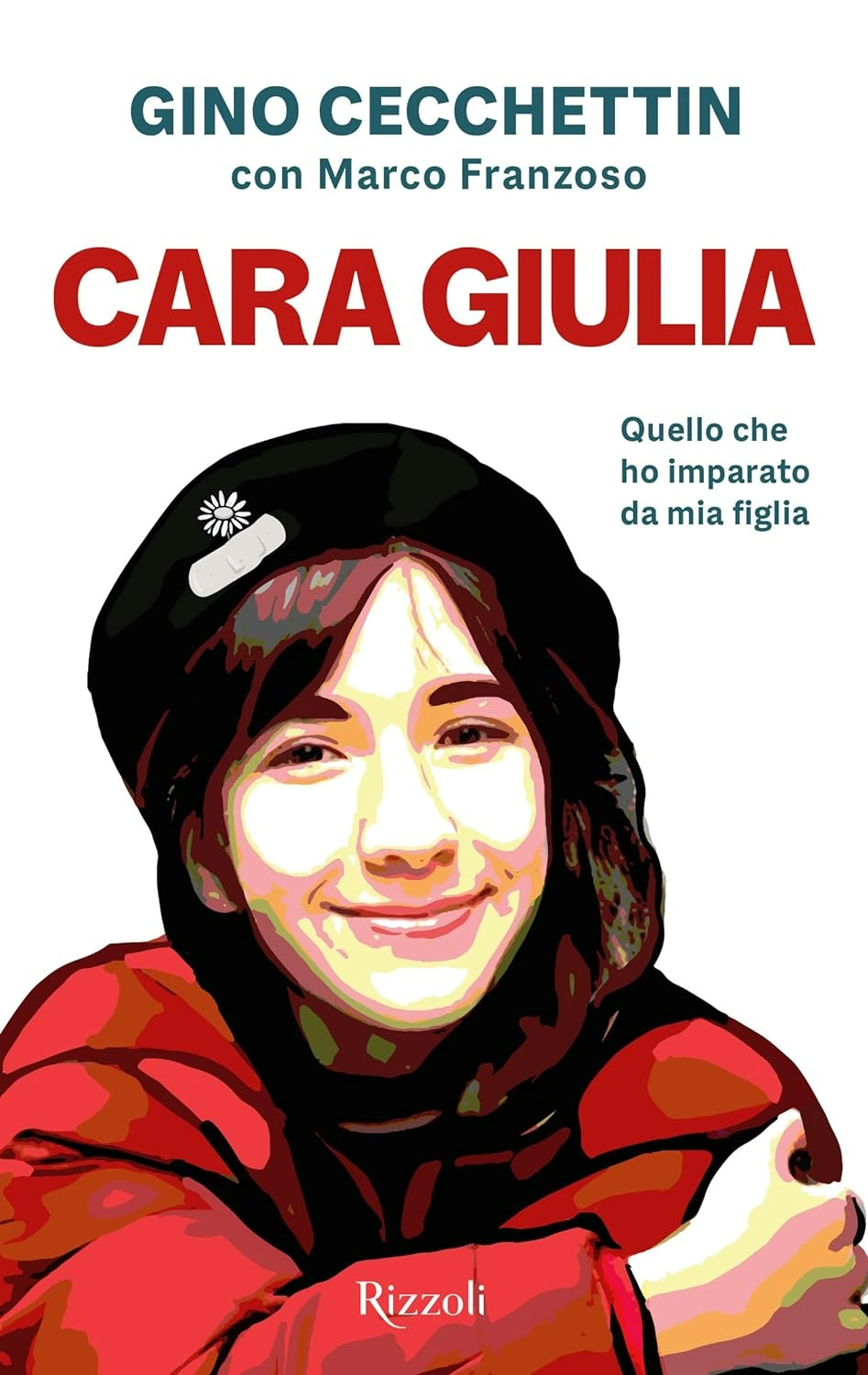
Book ReviewsCara Giulia Review: A Father's Unflinching Reckoning
Prices can sometimes be lower on bigger marketplaces, but this link helps independent bookstores and local reading communities.
Quick Verdict
Cara Giulia: quello che ho imparato da mia figlia by Gino Cecchettin is a devastating yet essential read that transforms personal tragedy into a clarion call for cultural change. This is not a polished literary work—it's a father's raw testimony against patriarchal violence, and its power lies precisely in that rawness. Whether you find it redemptive or uncomfortably premature depends entirely on what you're willing to confront about Italian society and your own complicity within it.
What This Book Actually Is
Gino Cecchettin's Cara Giulia review landscape has been dominated by two competing narratives, and understanding which camp you fall into matters before you open the first page. This is not a memoir in the traditional sense. It's not a crime narrative. It's a father writing directly to his murdered daughter and, through her, to an entire nation.
On November 11, 2023, Giulia Cecchettin was killed by her ex-partner Filippo Turetta. The murder sent shockwaves through Italy not because it was unusual—femicide statistics are staggering—but because it happened to someone visible, someone with a father willing to speak. According to UN data, approximately 89,000 femicides occurred globally in 2022, averaging nearly one death every five minutes. Giulia became a symbol precisely because her father refused to let her become a statistic.
This book is Gino's refusal to remain silent. It's his attempt to extract meaning from meaninglessness, to channel unbearable grief into something that might prevent another daughter from vanishing into similar darkness.
The Architecture of Grief
Cecchettin structures his argument around a deceptively simple framework: examining the patriarchal roots of violence against women in contemporary Italian society. He writes to Giulia directly, imagining her as both his private daughter and a public symbol. "You have become a symbol," he tells her, "but you are still my Giulia."
This dual address creates the book's emotional tension. Readers encounter intimate moments—memories of his daughter, conversations about her dreams and personality—interspersed with systemic analysis. Cecchettin doesn't separate the personal from the political. He can't. His daughter's death is simultaneously a private catastrophe and a public indictment.
The book interrogates toxic masculinity not as an abstract concept but as a lived reality embedded in family structures, educational systems, and social expectations. He asks uncomfortable questions about how young men are raised, what messages they receive about entitlement and control, and where responsibility lies when those messages calcify into violence.
Writing Style: Simplicity as Strength
Gino Cecchettin is not a professional writer, and the book makes no pretense otherwise. The prose is deliberately simple, sometimes repetitive, occasionally awkward. But this is precisely what gives Cara Giulia its devastating authenticity.
Consider the alternative: a polished, carefully structured narrative might feel exploitative, as though tragedy had been aestheticized for consumption. Instead, Cecchettin's unvarnished language—short sentences, direct address, emotional transparency—refuses that comfort. You cannot read this book and feel entertained. That's intentional.
The simplicity also serves an accessibility purpose. This isn't written for literary critics or academics (though it speaks to them). It's written for parents, teachers, young people, and anyone who needs to understand how patriarchal culture manufactures violence. The style democratizes the message.
What Works Powerfully
The book's greatest strength is its refusal to offer false reconciliation. Cecchettin doesn't pretend that writing a book heals his wound or brings justice. Instead, he frames the act of writing as a final gift to his daughter—an attempt to ensure her death catalyzes change rather than fading into media cycles.
His analysis of patriarchal culture is unflinching. He doesn't blame feminism or modern women for male violence. He doesn't suggest that better communication could have prevented murder. He places responsibility squarely on systems that teach men to view women as possessions, that normalize controlling behavior, and that interpret rejection as an unacceptable wound to male pride.
The statistical framework is also crucial. By opening with global femicide data—243 women murdered daily, one every five minutes—Cecchettin situates Giulia's death within a systemic pattern rather than treating it as an isolated tragedy. This contextualization is intellectually honest and politically necessary.
Finally, the book's appeal to educators, parents, and young people feels genuinely urgent. Cecchettin isn't lecturing from distance. He's speaking as someone destroyed by the system's failure to protect his child, asking others to examine their own complicity and choices.
The Legitimate Tensions
Not everyone finds this book redemptive, and dismissing those critiques as unsympathetic misses important points. Some readers register discomfort with the book's publication timeline—released just months after Giulia's death. The question emerges: Is this too soon? Does premature publication risk commodifying grief?
Others raise a harder question embedded in the narrative itself: Where was paternal protection when Giulia expressed fear of her ex-partner? The book acknowledges that Giulia had communicated her anxiety, yet Cecchettin frames his role primarily as one of reflection and education rather than examining specific protective failures. This gap—between acknowledging Giulia's vulnerability and the father's subsequent activism—troubles some readers.
There's also a philosophical tension around whether individual father-daughter bonds can adequately address systemic violence. Cecchettin's intimate approach is emotionally powerful, but can personal testimony substitute for institutional reform, legal changes, or resource allocation to violence prevention?
These tensions don't invalidate the book. They complicate it, which is appropriate for a work addressing such complexity.
Who Should Read This Book
This book is essential for: Parents who want to understand how patriarchal culture shapes their children; educators seeking frameworks for discussing gender violence; young people questioning inherited assumptions about masculinity and relationships; anyone engaged in feminist activism or gender studies; and readers willing to sit with discomfort rather than seeking catharsis.
This book will frustrate: Readers seeking literary polish or traditional narrative structure; those looking for crime procedural details; people uncomfortable with direct political messaging; and anyone expecting the book to provide closure or neat resolution.
Comparable Works
If you've read The Year I Met You by Cecelia Ahern or memoirs like Educated by Tara Westover, you understand how personal narrative can illuminate systemic problems. Cara Giulia operates in that space but with greater urgency and less literary mediation. It's closer in spirit to activist writing than traditional memoir—think more The Handmaid's Tale's political rage than Becoming's reflective arc.
Is Cara Giulia Worth Reading?
Yes, absolutely—but not for enjoyment. Read it for moral clarity. Read it for the framework it provides to understand violence not as individual pathology but as systemic production. Read it because Gino Cecchettin chose to transmute unbearable loss into a tool for change, and that choice deserves witnessing.
The book's 4.35/5 rating across over 1,200 reader reviews reflects genuine polarization, but most readers recognize its importance regardless of personal comfort level. This is a work that demands engagement, not agreement.
Final Verdict
9/10 — Not perfect as literature, but absolutely necessary as testimony. Gino Cecchettin has written the book his daughter's death demanded: unflinching, urgent, and absolutely uninterested in your comfort.