Category:
Book ReviewsBook Meets World Review: A Nostalgic Triumph With Notable Gaps
Prices can sometimes be lower on bigger marketplaces, but this link helps independent bookstores and local reading communities.
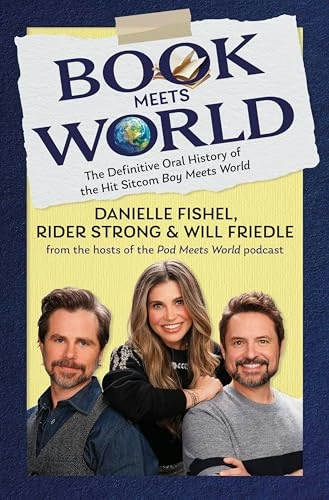
Danielle Fishel's Book Meets World: The Definitive Inside Story of the Hit Sitcom Boy Meets World is a love letter to a show that defined a generation, but it's also a revealing document of what happens when a beloved series gets the behind-the-scenes treatment from only partial access to its creators. This non-fiction memoir-meets-oral-history, co-authored by Fishel, Rider Strong, and Will Friedle, transforms their wildly popular Pod Meets World podcast into a 300-plus page deep dive that succeeds more often than it stumbles—though the absence of certain key voices casts a long shadow over "definitive" claims in the title.
Quick Verdict
Book Meets World delivers exactly what nostalgic fans crave: intimate behind-the-scenes anecdotes, never-before-seen photographs, and the warmth of three friends rediscovering the show that made them. However, the lack of participation from lead actor Ben Savage and creator Michael Jacobs creates a noticeable blind spot in the narrative. If you loved the original series or are a Pod Meets World devotee, this book is absolutely worth reading. If you're seeking a truly comprehensive history, temper your expectations.
What This Book Actually Delivers
Fishel, Strong, and Friedle take an unconventional approach: they watched most episodes of Boy Meets World for the first time as adults and interviewed dozens of cast and crew members about their experiences. The result reads less like a traditional behind-the-scenes expose and more like three friends having extended conversations about a shared cultural touchstone. The authors discuss all seven seasons chronologically, unpacking how the show evolved from a straightforward family sitcom into something increasingly surreal and character-driven.
The book shines brightest when exploring specific episodes and the creative decisions behind them. Discussions of landmark episodes like "And Then There Was Shawn" reveal the emotional weight the writers were attempting to achieve, while lighter segments about on-set pranks and inside jokes humanize the production process. The inclusion of Matthew Lawrence's funny anecdotes, William Daniels's paternal observations as Mr. Feeny, and Bonnie Bartlett's warmth provides texture that a single narrator couldn't achieve.
The Photography Advantage
The never-before-seen photographs are genuinely valuable. Set candids, behind-the-scenes moments, and personal shots from cast members' archives create visual breaks that enhance the reading experience. These aren't just throwaway images—they anchor specific stories and provide the kind of intimate access that justifies the book's existence beyond the podcast material.
Where the Narrative Fractures
The elephant in the room is the absence of Ben Savage (Cory Matthews) and Michael Jacobs (series creator and showrunner). Savage's non-participation is particularly glaring given his role as the protagonist, while Jacobs's absence means readers get no insight into the show's creative vision from its architect. One reader's theory that Jacobs declined "out of cowardice" may be uncharitable, but the absence is undeniable and limits the book's claim to being definitive.
This creates an odd dynamic: the book tells the story of Boy Meets World through the lens of three supporting players who, while beloved, didn't drive the show's core narrative. It's like reading a biography of a president written entirely by his cabinet members. The perspective is valid and often insightful, but it's inherently incomplete.
Writing Style and Structure
The prose is conversational and accessible—you can hear the three authors' voices in the text. There's no pretense or academic distance; this reads like extended conversations transcribed and edited for publication. That's both a strength and a limitation. The informal tone makes the book feel immediate and genuine, but occasionally it lacks the narrative drive or thematic coherence that a single author or a more tightly structured approach might provide.
Rider Strong's essay at the end is a standout. It's more introspective and polished than the surrounding material, suggesting what the book might have been if each cast member had contributed similar reflective pieces. The absence of similar contributions from other cast members feels like a missed opportunity.
The Nostalgia Question
For viewers who grew up with Boy Meets World, this book functions as a warm, validating experience. It confirms that the show meant something to the people who made it, and that the lessons and emotional beats you remember actually landed intentionally. There's genuine value in that confirmation. The authors aren't cynical about their work; they're genuinely moved by what they created as young actors.
However, the book also assumes a level of familiarity with the series. New readers or those approaching the show for the first time won't find a comprehensive guide here. This is explicitly a book for the converted.
Comparison and Context
If you've read similar behind-the-scenes entertainment memoirs like The Office: The Untold Story of the Greatest Sitcom Ever Made or Friends, Lovers, and the Big Terrible Thing by Matthew Perry, you'll notice that Book Meets World operates in a different register. Those books had the advantage of more complete participation from their respective casts and creators. Book Meets World compensates with warmth and accessibility but sacrifices some of the insider authority those other books claim.
The podcast format that spawned this book has become a significant cultural phenomenon in recent years. Entertainment properties leveraging successful podcast audiences into book deals is increasingly common, and this book demonstrates both the advantages and limitations of that strategy. The podcast's intimate, conversational tone translates well to the page, but it also means the book doesn't substantially expand the narrative beyond what listeners already know.
Who Should Read This
Perfect for: Devoted Boy Meets World fans, Pod Meets World listeners, anyone who grew up with the show, and readers interested in 1990s television nostalgia and sitcom production history.
Will disappoint: Readers seeking a definitive, comprehensive history of the show; those wanting significant new revelations or scandal; people unfamiliar with the original series looking for a complete introduction; anyone hoping for equal participation from all major cast members and creators.
The Bigger Picture
The 1990s sitcom landscape is experiencing a major cultural reassessment. Shows like Boy Meets World, Friends, and The Fresh Prince of Bel-Air are being revisited through contemporary lenses, with audiences grappling with how these beloved series hold up against modern standards. Book Meets World contributes to this conversation by allowing the creators to contextualize their work and acknowledge both its strengths and limitations.
The book also reflects broader trends in entertainment publishing: the monetization of nostalgia, the power of podcasts to build dedicated audiences, and the willingness of audiences to pay for deeper access to beloved properties. From that perspective, Book Meets World is a successful execution of a specific business model, even if it has narrative limitations.
Final Verdict
Is Book Meets World worth reading? For the right audience—devoted fans of the show and podcast—absolutely. It's a warm, funny, and occasionally poignant exploration of what it meant to create a show that defined a generation. For everyone else, it depends on your tolerance for nostalgia-driven content and your willingness to accept a partial rather than definitive history.
The Book Meets World review ultimately comes down to managing expectations. This isn't a scandal-filled exposé or a comprehensive oral history. It's three friends sharing their memories of making something that mattered. That's valuable, even if it's not everything the title promises.
Final Score: 7.5/10
A warm, accessible memoir that delivers genuine nostalgia and insight for its target audience, but falls short of the "definitive" history its title suggests due to notable absences and a narrower scope than the premise implies.