Category:
CookingBig Heart Little Stove Review: Gorgeous Cookbook That Demands Commitment
Prices can sometimes be lower on bigger marketplaces, but this link helps independent bookstores and local reading communities.
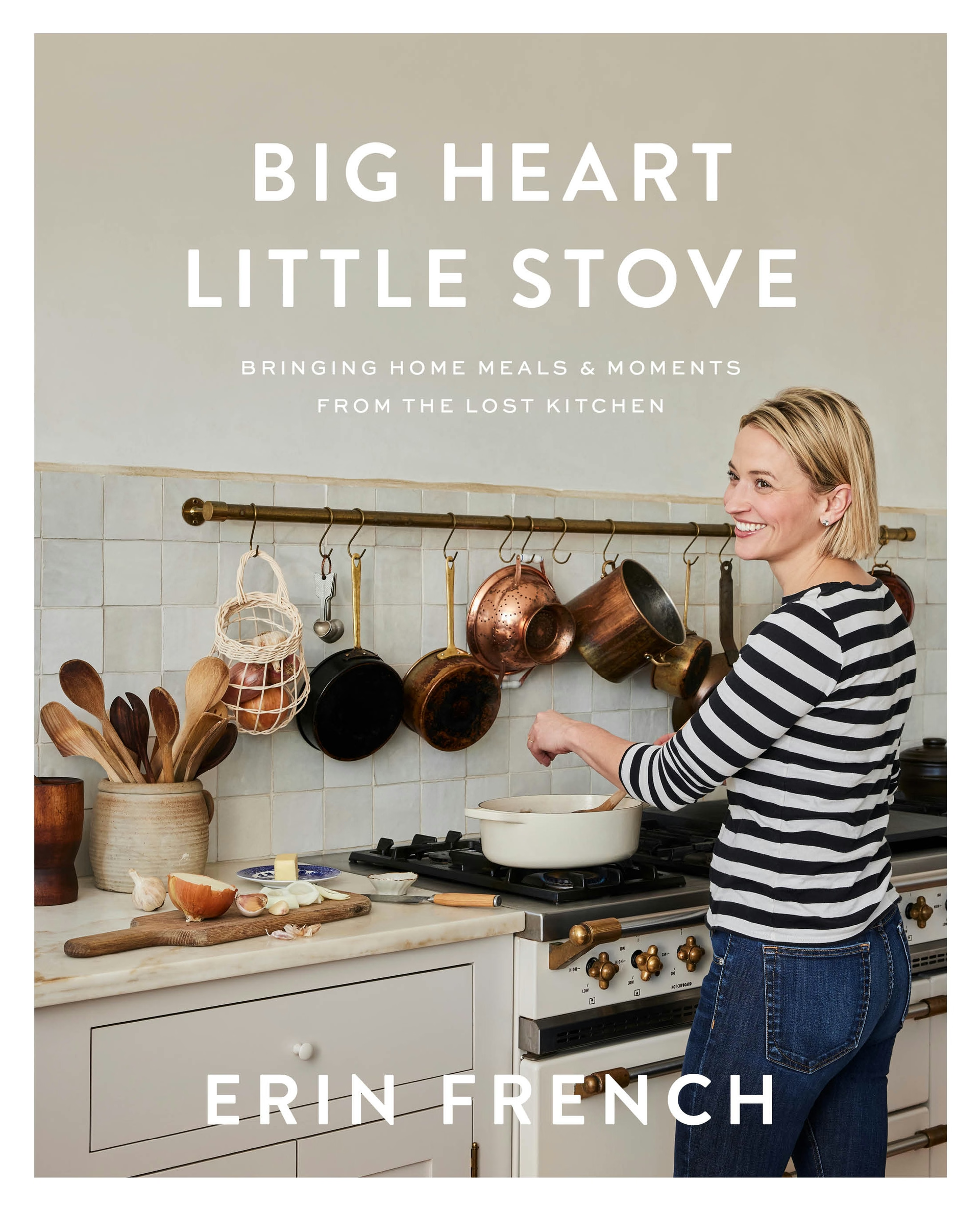
Erin French's Big Heart Little Stove: Bringing Home Meals & Moments from The Lost Kitchen is a cookbook that divides readers into two camps: those enchanted by its New England aesthetic and intimate dining philosophy, and those frustrated by its meat-and-fish-heavy recipes that don't accommodate dietary restrictions. This isn't a casual kitchen reference—it's a manifesto wrapped in 75 recipes, and understanding that distinction before you buy matters.
French, the chef behind The Lost Kitchen restaurant in Maine (famous for its lottery-based reservation system), has created something more ambitious than a standard cookbook. She's attempting to bottle the entire experience of dining at her restaurant: the carefully curated table settings, the philosophy of slow food rooted in the best available ingredients, the hospitality rituals, and yes, the actual dishes. The question isn't whether this book delivers recipes—it does. The question is whether you're willing to meet French's vision halfway.
What This Cookbook Actually Is
This isn't a beginner-friendly guide to weeknight dinners. Big Heart Little Stove is a love letter to a specific aesthetic: farm-to-table New England cooking, foraged ingredients, edible flowers as garnish, handwritten menus, and the kind of table-setting that requires you to source "found treasures." The recipes range from simple (Green Beans with Sage, Garlic, and Breadcrumbs) to technically demanding (Pickle-Brined Roast Chicken that requires planning), with a heavy emphasis on seafood, poultry, and dairy-based dishes.
The book includes more than just recipes. French weaves in hospitality tips, kitchen staple formulas (like her Kitchen Sink Pesto and Floral Vinegar), beverage recipes including Fresh Fruit Shrubs, and desserts like Salted Caramel Custards and Roasted Peach Pie. Weekend brunch options like Sunday Skillet Cakes and Little Nutmeg Diner Donuts add versatility. But these aren't meant to be mix-and-match components—they're part of a cohesive dining philosophy.
The Writing and Design Matter More Than You'd Think
The audiobook version of this Big Heart Little Stove review deserves special attention, because Erin French's narration transforms the experience entirely. The audiobook includes bonus interviews with friends and family, including Ina Garten, that add context and warmth. It reads like a cooking show meets podcast—you lose the gorgeous photography, but gain intimate storytelling that justifies the format choice. This is one of the rare cookbooks where the audio version isn't a compromise; it's an enhancement.
The physical book itself is visually stunning. Most recipes include photography, and the design reinforces French's aesthetic throughout. This matters because the book's entire premise is that beautiful presentation and thoughtful curation are inseparable from the cooking itself.
What Works Brilliantly
French's approach to ingredients is refreshing in a cookbook landscape often dominated by shortcuts. The recipes trust your palate and assume you'll seek out quality components—rice wine vinegar instead of basic white vinegar, Thai basil for specific dishes, edible flowers as standard garnish rather than fussy exception. This philosophy extends to her hospitality tips: offering guests a cold cloth on a hot day, setting tables with intention, treating meals as complete sensory experiences.
The recipes themselves are well-written with clear instructions that work for cooks of varying skill levels. Whether you're making Gram's Clam Dip or attempting a show-stopping main course, French's directions are precise without being condescending. The inclusion of family recipes alongside Lost Kitchen restaurant dishes creates an accessible entry point—not everything here is precious or complicated.
The vegetable-forward sides and salads (Peach & Blackberry Salad, Golden Tomato & Peach soup) prove that French can deliver beyond her seafood reputation. These dishes work as standalone meals or components of larger gatherings, offering flexibility within her overall framework.
Where This Cookbook Falls Short
The most significant limitation: this book is written for omnivores, specifically those comfortable with meat and fish as centerpieces. One reader noted the sadness of not being able to cook "most of this book" due to vegetarian preferences. While French's philosophy emphasizes using "the best ingredients you can find," that philosophy doesn't extend to accommodating major dietary restrictions. Making vegetarian substitutions is theoretically possible but requires you to essentially rewrite the book's DNA.
The Lost Kitchen aesthetic, while beautiful, requires a certain lifestyle and access level. Not everyone has easy access to edible flowers, foraged ingredients, or the time to source specialty items. Some recipes demand advance planning—the pickle-brined chicken needs preparation days ahead. This isn't a cookbook for spontaneous cooking or last-minute entertaining.
There's also an implicit assumption that you're cooking for gatherings, not solo meals. The portions and presentation style emphasize hospitality and table-setting. If you're cooking primarily for yourself, much of the book's philosophy feels slightly out of reach.
Who Should Read This (And Who Shouldn't)
Perfect for: Home cooks who love entertaining, those drawn to New England aesthetics, people interested in hospitality as a practice beyond just food, readers of similar cookbooks like Melissa Clark's Dinner or Smitten Kitchen collections who appreciate philosophy alongside recipes. Anyone fascinated by The Lost Kitchen's reputation will find genuine value in understanding French's approach.
Skip it if: You're vegetarian or vegan, you prefer quick weeknight cooking without advance prep, you want exclusively beginner-friendly recipes, or you're looking for budget-conscious cooking. If you resent the farm-to-table movement or find edible flowers pretentious, this book will frustrate you.
The Verdict on This Big Heart Little Stove Review
This is a well-executed, genuinely beautiful cookbook that succeeds entirely on its own terms. The question isn't whether it's good—it is. The question is whether those terms align with your cooking style and life. Erin French isn't trying to feed everyone; she's inviting specific people into her world and showing them how to replicate its magic at home.
The recipes work. The philosophy is coherent and genuinely inspiring. The audiobook format adds unexpected value. But this demands commitment: to sourcing quality ingredients, to cooking for gatherings rather than solo meals, to embracing the aesthetics French champions. It's not a cookbook you dip in and out of casually. It's one you live with, return to, and let reshape how you think about hospitality.
Is Big Heart Little Stove worth reading? Absolutely—if you're the reader it's written for. If you're not, no amount of beautiful photography or Ina Garten cameos will change that.