Category:
Book ReviewsBack Where We Started Review: Emotional but Uneven
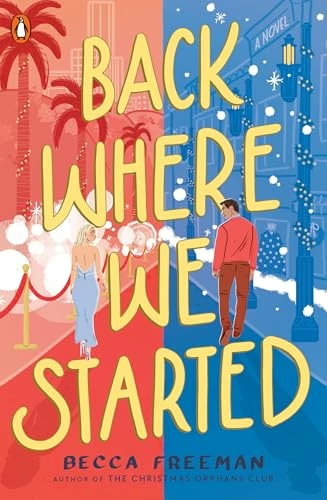
Prices can sometimes be lower on bigger marketplaces, but this link helps independent bookstores and local reading communities.
Becca Freeman's second novel, Back Where We Started, arrives with considerable buzz and a USA Today bestseller stamp. It's a second-chance romance that swaps the glittering unreality of Hollywood for the intimate geography of a Pennsylvania hometown, asking whether ambition and love can coexist. The verdict: it's a beautifully written exploration of life's roads not taken, but one that struggles to justify its structural choices and occasionally feels more like a meditation on regret than a propulsive love story.
What You're Actually Getting
Back Where We Started follows Katie Eubanks, now a working actress in Hollywood under the stage name Blair Banks, who returns to her small hometown of Dutch Ridge, Pennsylvania for the holidays. There she collides with Drew, her first love and the only person who understood her teenage dreams of stardom. The present-day narrative alternates with extensive flashbacks to their adolescence, tracing how two ambitious teenagers who promised each other the world eventually drifted into separate lives.
On paper, this is irresistible territory. The premise evokes Notting Hill, Every Summer After, and that particular strain of Taylor Swift melancholia ("'Tis the Damn Season" is the obvious touchstone). It's the kind of story that should make readers believe in second chances. And in many ways, it does. But Becca Freeman's Back Where We Started review reveals a book caught between competing impulses: intimate character study and traditional romance arc.
The Writing Shines; The Structure Doesn't
Freeman's prose is genuinely strong. The descriptive language moves beyond functional and into the genuinely evocative—Dutch Ridge feels like a real place, not a generic backdrop. Her dialogue crackles with authenticity, capturing how people actually talk when they're nervous, defensive, or falling back into old patterns. The pacing of individual chapters flows well, and she demonstrates real skill at managing dual timelines.
But here's where the Back Where We Started review gets complicated: that dual-timeline structure, which could deepen the narrative, instead becomes its primary weakness. The book spends enormous real estate in the past, yet the teenage relationship lacks the dramatic tension that would justify all those flashback chapters. Katie and Drew don't have a spectacular falling-out; they simply drift. There's no will-they-won't-they electricity in their early scenes together. They decide to be together with the same ease they decide to be apart years later.
This matters because Freeman asks readers to invest heavily in understanding their history. But without genuine conflict or mystery—without wondering what went wrong—those backstory chapters begin to feel like filler rather than foundation.
Where It Actually Works
What saves Back Where We Started is Freeman's refusal to write a simple happily-ever-after. Both Katie and Drew achieve their personal goals without sacrificing them for love. Katie becomes a successful actress; Drew finds contentment in his chosen path. Neither compromises their ambitions, and the novel respects that choice.
The exploration of achievement's addictive nature is genuinely insightful. Katie's Hollywood success is real, but it's also hollow in ways she doesn't initially recognize. Freeman captures something true about how external validation can feel like progress while internal emptiness grows. The question of whether Katie actually wants to return to Drew, or whether she's simply tired and nostalgic, hangs over the narrative in productive ways.
The Christmas setting, too, works better than it might in less careful hands. It's not just window dressing; it's a container that forces intimacy and reflection. The holidays function as a ticking clock of sorts, even if it's a gentle one.
What Doesn't Land
The central problem remains: neither character is in genuine crisis when the present-day story begins. They're both "feeling pretty medium about their lives," as one reader noted, but there's no looming disaster, no ticking clock beyond the holiday season itself, no sense that their reunion will actually change anything.
This is where Back Where We Started diverges from its closest comparisons. Notting Hill works partly because both characters have something at stake. Every Summer After generates tension through genuine obstacles. Here, the obstacles are mostly internal and philosophical rather than external and urgent. Katie and Drew could simply... not get back together. The book would continue. Life would go on. That lack of real stakes makes their reunion feel less like destiny and more like convenience.
Additionally, the "insta-resolution" problem is real. Even in their teenage years, there's minimal build-up to their relationship. They decide to be together almost as a foregone conclusion, which undercuts the entire premise of the book—that this was a love worth returning to.
Who Should Read This
Back Where We Started is perfect for readers who prioritize beautiful prose and character interiority over plot momentum. If you loved Freeman's debut, The Christmas Orphans Club, you'll likely connect with her voice here. Contemporary romance readers who appreciate slower burns and introspective narratives will find much to appreciate.
It's also ideal for people who've experienced genuine second-chance moments and want to see that complexity reflected in fiction. The book's refusal to treat reunion as automatic redemption is refreshing.
Who might struggle: Readers seeking traditional romance tension, those who prefer clear external conflict to internal ambivalence, and anyone who finds dual timelines tedious will find Back Where We Started frustrating. If you need a book that makes you believe in the inevitability of two people together, this isn't it.
The Verdict
Back Where We Started is a well-written novel that asks important questions about ambition, love, and whether we ever really want the same things twice. Freeman's prose deserves praise, and her refusal to write a conventional happy ending is admirable. But the book's structural choices—particularly the extensive flashback material—don't quite justify themselves, and the lack of genuine stakes makes the central romance feel more wistful than urgent.
Is Back Where We Started worth reading? Yes, if you value character work and atmospheric writing over plot propulsion. No, if you're seeking a propulsive second-chance romance with clear stakes and dramatic tension. It's a book that will resonate deeply with some readers and leave others feeling like something essential was missing.
The real achievement here isn't the romance itself—it's Freeman's willingness to suggest that sometimes the road not taken remains the road not taken, even when we're given a second chance to walk it. That's more honest than most romance novels dare to be.
Final Score: 7/10
Beautiful writing and emotional honesty elevate what could have been a standard second-chance romance, but structural missteps and a lack of genuine stakes prevent it from reaching its full potential.