Category:
Book ReviewsAll the Beauty in the World Review: Transcendent or Overwritten?
Prices can sometimes be lower on bigger marketplaces, but this link helps independent bookstores and local reading communities.
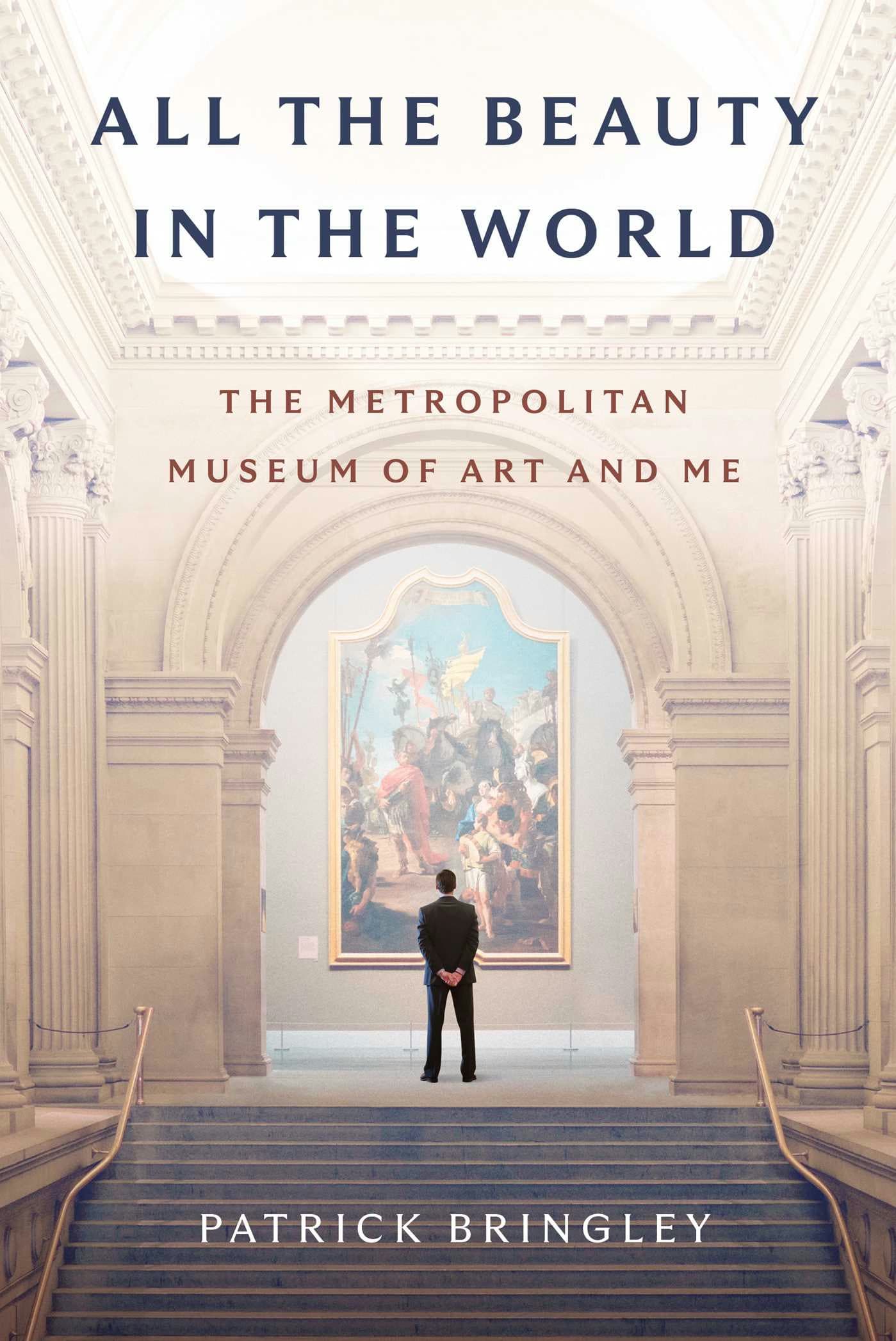
Patrick Bringley's All the Beauty in the World: The Metropolitan Museum of Art and Me arrives with an almost irresistible premise: a disillusioned New Yorker staffer abandons his career to grieve his brother's death by working as a guard at the Metropolitan Museum for a decade. It's the kind of narrative that sounds like it was written by someone who understood exactly what readers want—a refuge story, a meditation on art and mortality, a portrait of hidden worlds. The memoir is genuinely affecting in its best moments, yet it also reveals the gap between a compelling concept and the execution required to sustain it across 400 pages.
Quick Verdict
Bringley's memoir captures something real and beautiful about finding solace in art during personal crisis. The book excels at depicting the invisible labor of museum work and the camaraderie among guards. However, uneven pacing, occasional self-indulgence, and a narrator who doesn't fully embrace vulnerability undermine what could have been a masterpiece. It's a worthwhile read for art lovers and memoir enthusiasts, but it falls short of being the transformative experience its marketing suggests.
What the Book Actually Delivers
All the Beauty in the World follows Bringley's decade-long tenure as a security guard at one of the world's most prestigious institutions. After his brother's cancer diagnosis and subsequent death, Bringley leaves The New Yorker—a job many would consider a career pinnacle—to seek refuge in the museum's galleries. What begins as temporary escape becomes a sustained exploration of grief, beauty, and community. The book alternates between intimate character sketches of fellow guards, meditative passages about specific artworks, and reflections on how institutional life mirrors the broader human experience.
The memoir's strength lies in its specificity. Bringley doesn't just describe being a guard; he details the employee entrance at the loading dock, the dispatch system that assigns sections, the precise moment when guards clear the Great Hall at closing time. These granular details create an almost anthropological account of museum work that feels genuinely revelatory to readers unfamiliar with this hidden world.
Where the Writing Shines
Bringley demonstrates genuine literary skill when describing artworks and the guards who protect them. His character portraits—the immigrant guards, the musician-guards, the blue-collar stalwarts—possess real warmth and dignity. He captures the paradox of being simultaneously invisible and essential, present yet unnoticed by the millions who visit the museum annually.
The meditation on grief is also surprisingly effective. Rather than dwelling on trauma, Bringley explores how repetitive, meditative work in beautiful surroundings offers a form of healing that therapy or distraction cannot provide. This insight resonates because it feels earned rather than imposed.
Comparisons to workplace memoirs like Lab Girl by Hope Jahren or Working Stiff by Dicey Graves are apt—Bringley operates in the same register of finding meaning in overlooked professions. The best passages rival those books in their ability to make readers see familiar institutions with fresh eyes.
The Audiobook Problem
One significant flaw undermines the reading experience: Bringley narrates his own audiobook, and the performance reveals limitations that become increasingly apparent. The audiobook version, which many readers experience first, suffers from uneven pacing and vocal delivery that sometimes undercuts emotional weight. When describing his brother's illness or his own darkest moments, Bringley's voice occasionally becomes distant rather than intimate—the opposite of what the material demands.
This is a technical but meaningful distinction. The best memoirs about grief invite readers into vulnerability. Bringley maintains a certain remove throughout, which works in print but becomes a liability in audio. A professional narrator might have found the emotional frequencies the material requires.
Structural Inconsistency
The book's pacing falters in its middle sections. After establishing the museum's rhythms and introducing the guard community, Bringley sometimes loses narrative momentum. Certain passages feel overly digressive, while others compress significant emotional events into brief paragraphs. The structure would have benefited from more rigorous editing—some sections could have been cut entirely, while others needed expansion.
The balance between personal reflection and museum description also tilts unevenly. Readers expecting a tighter focus on Bringley's grief journey may find themselves reading extended passages about Renaissance paintings or Egyptian artifacts that, while beautifully written, don't always advance the emotional arc.
Who This Book Serves (and Who It Won't)
Read this if you: Love art history and museum culture, enjoy meditative memoirs about finding meaning, appreciate character-driven narratives about overlooked communities, or work in service roles and want validation that your labor matters. Former or current museum guards will find particular resonance—this book speaks to an experience that rarely gets chronicled.
Skip this if you: Prefer plot-driven narratives with clear conflicts and resolutions, expect sustained emotional intensity throughout, want a more analytical examination of grief, or find self-reflective memoir indulgent. If you're drawn primarily by the grief narrative, be prepared for a book that treats mourning obliquely rather than directly.
The Verdict on Whether It's Worth Reading
All the Beauty in the World is absolutely worth reading, though perhaps not for the reasons its marketing emphasizes. It's not a transformative meditation on grief or a complete escape into beauty. Rather, it's a genuine portrait of how institutional life, community, and art can sustain us during difficult periods—something more modest but ultimately more honest than the promotional copy suggests.
The book succeeds most when it abandons pretension and simply shows readers the museum as Bringley experiences it: a place where beauty is both ordinary (because you see it daily) and extraordinary (because it never stops mattering). That tension, more than any individual passage, is what lingers after finishing.
Final Score: 7.5/10
Bringley's memoir captures genuine beauty in overlooked places and people, though uneven execution and narrative restraint prevent it from reaching the heights its concept promises.